
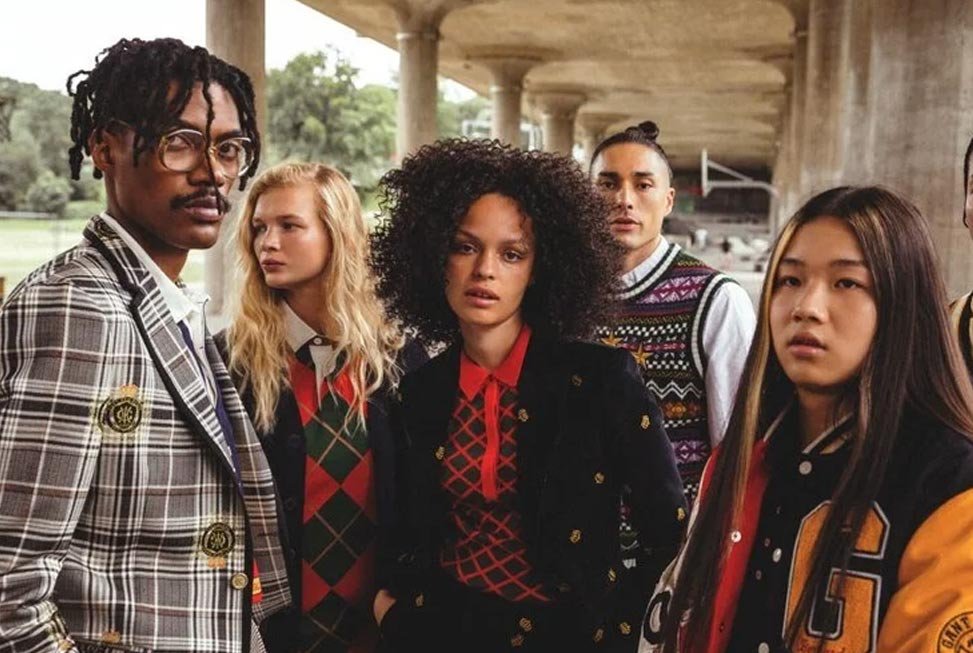
Streetwear has always evolved by mixing practical clothing with personal expression. Today, embroidered details are returning to jackets, hoodies, caps, denim and accessories as designers move away from purely printed graphics. Brands increasingly use custom patches, stitched logos and textured motifs to give garments more depth and identity. Embroidery adds a physical layer to clothing that screen printing cannot fully replicate. Thread creates texture, raised surfaces and visible craftsmanship, while patches allow designers to position artwork precisely across different garments. This combination makes embroidered decoration particularly suitable for modern streetwear, where individuality, branding and material detail often shape the overall look.
Why Is Embroidery Returning to Streetwear?
Embroidery is returning because streetwear has become more focused on construction, texture and distinctive visual details.
Earlier streetwear often relied heavily on large printed graphics, slogans and screen-printed logos. Those techniques remain popular, but consumers now see printed designs across almost every clothing category. Embroidery gives designers another visual language.
A stitched design interacts with fabric differently from ink. Thread sits above the garment surface. It catches light, creates shadows and introduces a tactile finish. A small embroidered emblem can therefore attract attention without covering a large section of the garment.
This shift also reflects a wider interest in clothing that appears considered rather than mass produced. Visible stitching, chenille lettering, appliqué designs and embroidered badges communicate additional construction work. The decoration becomes part of the garment rather than simply an image placed on top of it.
Embroidery Adds Texture to Minimal Streetwear
Modern streetwear does not always depend on oversized artwork. Many collections now use relatively simple garments with carefully positioned details.
Embroidery works particularly well within this approach.
A plain heavyweight hoodie can carry a small embroidered chest logo. A bomber jacket can feature a stitched emblem on the sleeve. A cap can use raised embroidery across the front panel. Denim can incorporate decorative stitching around pockets, shoulders or back panels.
The garment provides the base. The embroidery provides the visual focus.
This relationship allows brands to create recognisable clothing without filling every available surface with graphics. Thread colour, stitch direction, border thickness and embroidery density can all influence the appearance of a design.
Three-dimensional embroidery can create an even stronger effect. Raised stitching produces additional depth, making lettering and logos more prominent while retaining the clean appearance associated with embroidery.
Patches Turn Clothing Into a Customisable Surface
Patches have an important role in the renewed interest in embroidered streetwear because they separate the decorative element from the garment itself.
An embroidered patch consists of a fabric base, stitched artwork and a finished border. Manufacturers can then apply different backing methods depending on how the patch will be attached.
Sew-on patches create a permanent connection between the patch and garment. Iron-on patches use heat-activated adhesive. Hook-and-loop backings allow patches to be removed and replaced when the garment includes a compatible loop surface.
These attachment options give streetwear designers flexibility.
A single patch design can appear on jackets, bags, caps or other textile products without recreating the embroidery directly on every item. Designers can also experiment with placement before committing to a larger production run.
For consumers, removable patches introduce another element: personalisation.
A jacket does not need to remain visually identical throughout its lifespan. Patch positions can change. New designs can replace older ones. Several badges can be combined into a collection that reflects music, hobbies, communities, places or personal interests.
The wearer therefore becomes part of the design process.
Streetwear Has a Long Relationship With Uniforms and Workwear
Embroidered details feel natural in streetwear because street fashion has repeatedly borrowed elements from uniforms, military clothing, motorcycle apparel and workwear.
These clothing categories historically used patches for practical identification.
Uniform patches identify organisations, departments, names or ranks. Workwear embroidery displays company names and employee information. Motorcycle patches communicate club identity. Military-style patches can identify units, names or functions.
Streetwear removes these elements from their original functional context and uses them as visual design features.
A name patch becomes typography.
A workwear badge becomes branding.
A military-inspired emblem becomes a decorative motif.
This transformation explains why patches work particularly well on bomber jackets, overshirts, cargo clothing, utility vests and heavyweight outerwear. The garments already contain visual references to clothing categories where embroidered identification has traditionally been common.
Embroidered Logos Give Brands a Physical Identity
Branding is central to streetwear. Logos allow consumers to recognise a label quickly, but the production method changes how that logo is perceived.
Printed logos remain flat because ink bonds with or sits on the fabric surface. Embroidered logos use thread to construct the design.
That difference changes the visual result.
Thread gives letters defined edges. Satin stitches produce smooth surfaces. Fill stitches cover larger areas. Borders separate the artwork from the surrounding garment. Multiple thread colours can create contrast within relatively small spaces.
For emerging streetwear labels, embroidered logo patches can also provide production flexibility. The same branded patch can be attached to different garment styles, allowing visual consistency across a collection.
A label might use one emblem across a hoodie, denim jacket, cap and bag. The products remain different, but the repeated embroidered identity connects them.
This creates a recognisable brand system rather than a series of unrelated graphics.
Craftsmanship Matters More in a Saturated Fashion Market
Consumers now encounter enormous quantities of printed clothing through marketplaces, fast-fashion retailers and print-on-demand stores.
As graphic apparel becomes easier to produce, physical construction details become more noticeable.
Embroidery requires decisions about thread, stitch type, density, borders, fabric compatibility and design size. Complex artwork often needs to be simplified or digitised before stitching because embroidery machines must translate visual artwork into individual stitch paths.
These technical constraints can actually strengthen a design.
Small details that work on a computer screen may disappear when converted into thread. Designers therefore need clear shapes, readable lettering and suitable spacing.
The result is often a more deliberate visual identity.
Patch production adds another layer of construction. Designers can choose embroidered, woven, chenille, leather, PVC or printed formats depending on the required appearance. Within embroidery itself, choices involving borders, backing and stitch coverage affect how the finished badge looks and behaves on clothing.
The decoration becomes a manufactured component rather than just an illustration.
Vintage Fashion Has Helped Bring Embroidered Details Back
Vintage sportswear, varsity jackets, racing jackets, military surplus and old workwear have had a strong influence on contemporary fashion.
Many of these garments contain embroidery.
Varsity jackets use chenille letters and embroidered emblems. Racing jackets often feature numerous sponsor-style badges. Vintage work jackets may include company or name patches. Military garments can carry identification and unit insignia.
As these references return to streetwear, their decorative techniques return with them.
Designers do not necessarily reproduce vintage garments exactly. Instead, they borrow individual attributes such as oversized back patches, chest badges, contrast stitching or embroidered lettering and place them within contemporary silhouettes.
A modern oversized jacket can therefore use detailing that references clothing produced decades earlier.
This relationship between old construction techniques and new garment shapes is one reason embroidery can feel both nostalgic and current at the same time.
Patches Support Limited Drops and Small Collections
Streetwear frequently operates through limited releases rather than permanent seasonal inventories.
Patches fit this model particularly well.
A brand can develop a core garment and change its embroidered details between releases. One jacket design might appear with different badges, colour combinations or logo variations across several drops.
The garment structure remains consistent while the decorative identity changes.
This approach allows designers to create visual variation without completely redesigning every product. It also supports collaborations. Two brands can combine logos, symbols or typography within one embroidered badge and apply it to a limited garment release.
Event merchandise can use a similar strategy. A standard jacket or cap can receive a specific embroidered design connected with a launch, community, location or occasion.
The patch becomes the element that gives the garment its particular identity.
Embroidery Works Across Different Streetwear Materials
Another reason embroidered decoration remains useful is its compatibility with many common streetwear products.
Embroidery and patches regularly appear on:
- denim jackets
- bomber jackets
- varsity jackets
- hoodies and sweatshirts
- caps and bucket hats
- cargo trousers
- overshirts
- backpacks
- tote bags
- workwear-inspired garments
However, the method needs to match the fabric.
Heavy denim and structured outerwear can support substantial embroidery more easily than lightweight fabric. Caps require designs that fit curved panels and limited embroidery areas. Stretch fabrics require careful stabilisation so stitching does not distort the material.
Patches can solve some of these production challenges because the embroidery is created separately from the final garment. The completed badge is then attached using the chosen backing or sewing method.
This separation gives designers greater control over the embroidered component.
Personalisation Fits the Culture of Streetwear
Streetwear has always been closely connected with individual identity.
Sneaker customisation, customised jackets, pins, badges, jewellery and accessories all allow people to modify a basic outfit. Embroidered patches fit naturally within that behaviour because they allow a garment to communicate something specific about its wearer.
A patch can represent a brand.
A patch can display a name.
A patch can reference a city, club, team or community.
A patch can simply provide artwork that the wearer likes.
Several patches placed together can create an entirely different result from a single centrally positioned logo.
This flexibility helps explain why patch-covered denim jackets and customised bags repeatedly return to fashion. The clothing becomes a platform for collecting and displaying visual identities.
Are Embroidered Details Just Another Fashion Trend?
Embroidered details move in and out of mainstream fashion, but the production technique itself is unlikely to disappear.
Embroidery serves both functional and decorative purposes. Companies use it for branding. Uniforms use it for identification. Clubs use it for membership symbols. Fashion brands use it for decoration. Consumers use it for personalisation.
Streetwear therefore does not need to invent a new purpose for embroidery. It simply reinterprets an established textile technique.
Current designs may favour subtle chest embroidery, oversized back patches, vintage-inspired badges or raised lettering. Those specific aesthetics will change. The underlying appeal of thread, texture and physical construction remains much more stable.
The Future of Embroidery in Streetwear
The future of embroidered streetwear will likely involve a combination of traditional textile methods and flexible manufacturing.
Digital embroidery machines already allow detailed artwork to be converted into repeatable stitch patterns. Improved digitisation gives designers greater control over density, layering and thread direction. At the same time, patches allow brands to manufacture decorative components separately and apply them across multiple garment types.
This combination suits both independent labels and larger clothing companies.
Brands can create distinctive visual elements without relying entirely on printed graphics. Designers can experiment with material, texture and placement. Consumers can choose garments that feel more individual and physically detailed.
Final Thoughts
Embroidered details are making a comeback because they provide something modern streetwear increasingly values: texture, identity and visible construction.
Printing places an image on a garment. Embroidery builds the image from thread. Patches take that embroidered artwork one step further by turning it into a separate design element that can be positioned, attached and sometimes replaced.
Streetwear brands use these techniques to create logos, vintage-inspired graphics, limited-edition details and personalised garments. Consumers use them to make clothing more individual.
Fashion trends will continue to change, but embroidery has survived across uniforms, workwear, sports clothing and fashion for generations. Modern streetwear is simply giving this established craft another place to evolve.

