
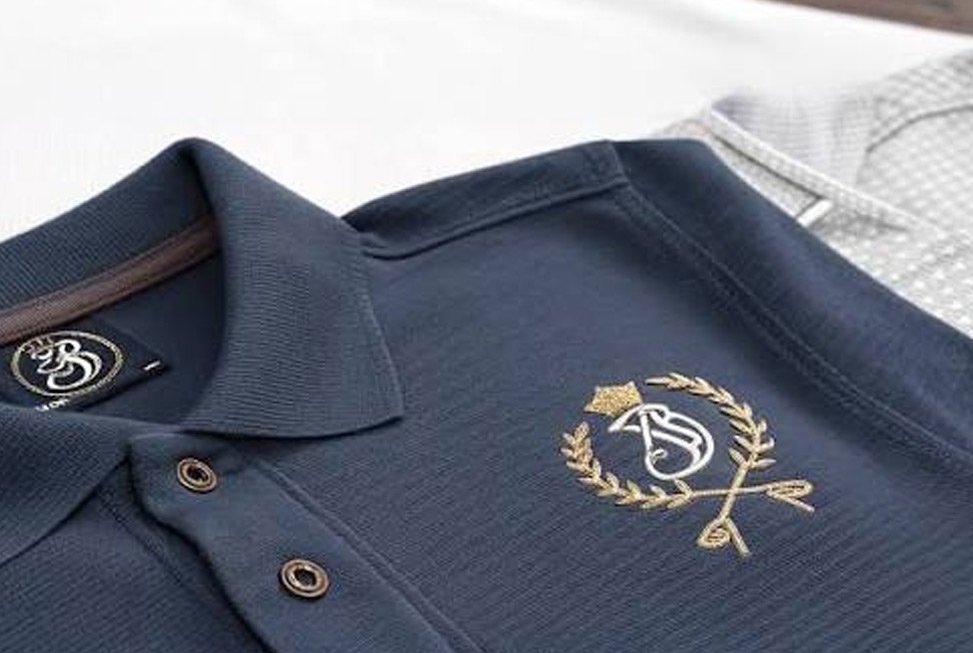
Premium brands pay close attention to every detail that represents their identity. Packaging, typography, fabric, colour and logo presentation all influence how customers perceive a product. For clothing and accessories, working with an experienced patch manufacturer allows brands to transform a standard logo into a textured embroidered emblem that feels more substantial and distinctive.
Embroidered logos combine thread, colour and stitch structure to create a physical representation of a brand. Unlike a flat printed graphic, embroidery adds depth to the design. This dimensional appearance is one reason embroidered patches and directly stitched logos remain popular across premium fashion, corporate clothing, sportswear, workwear and branded merchandise.
What Makes an Embroidered Logo Different?
An embroidered logo is created by stitching coloured thread into fabric or a patch base according to a digitised design. The embroidery machine follows the stitch file and reproduces individual parts of the artwork through carefully controlled thread placement.
The process creates several visible characteristics:
- Raised thread gives the logo physical texture.
- Dense stitching creates a substantial surface.
- Thread colours reproduce the main elements of the brand identity.
- Borders give patches a clean and defined shape.
- Different backing options allow the finished emblem to suit different garments.
These attributes separate embroidery from many flat decoration methods.
A printed logo places colour on a surface. An embroidered logo builds the design with thread. That structural difference changes both the appearance and the tactile quality of the finished branding.
Embroidery Creates a More Premium Appearance
Premium branding often depends on small details.
Embroidery creates texture. Texture adds visual depth. Visual depth makes the logo more noticeable on fabric.
The threads also interact with light differently from printed ink. Individual stitches can create subtle highlights and shadows, particularly on densely embroidered designs. This effect can make a relatively simple logo appear more detailed when viewed on a jacket, cap, uniform or bag.
The quality of the result depends heavily on the original artwork, stitch density, thread selection and digitisation. A carefully prepared embroidery file controls how individual elements are stitched and determines whether small shapes remain recognisable.
For this reason, premium brands usually focus on accurate logo reproduction rather than simply adding more stitches.
Embroidered Logos Communicate Craftsmanship
Craftsmanship plays an important role in premium product presentation.
A stitched emblem visibly contains individual threads, edges and layers. Customers can see and feel these elements. This physical construction can support a brand identity built around quality, heritage, durability or attention to detail.
Consider the relationship between the materials:
Thread creates stitches. Stitches form the logo. The logo represents the brand.
When each part is produced consistently, the finished emblem becomes more than decoration. It becomes part of the product itself.
This is particularly relevant for businesses that want their branding to feel integrated with a garment rather than simply printed onto its surface.
Embroidery Works Well With Fashion and Apparel
Embroidered branding is strongly associated with clothing because thread naturally complements textile materials.
Brands commonly use embroidered logos on:
- jackets
- hoodies
- polo shirts
- workwear
- uniforms
- caps
- beanies
- denim
- bags
- sportswear
The technique is especially effective when the surrounding product already uses woven or textured materials.
For example, embroidery on denim creates a different visual effect from a printed transfer because both the garment and the logo contain visible fibres. The two materials therefore feel naturally connected.
The same principle applies to heavyweight jackets, cotton twill caps and premium sweatshirts.
Custom Patches Give Brands More Flexibility
Direct embroidery is not the only way to achieve a stitched logo. Many businesses use custom embroidered patches instead.
A patch is produced separately before being attached to the final garment. This production method gives brands more flexibility because the same design can potentially be applied to different products.
A clothing company might use one embroidered emblem across jackets, caps and bags. A corporate organisation might apply branded patches to several types of staff uniform. A sports club might use the same crest across training clothing and accessories.
The patch becomes a reusable branding component.
Depending on the intended application, embroidered patches can be produced with sew-on, iron-on, adhesive or hook-and-loop backing. The backing determines how the patch connects to the garment, while the embroidered surface remains responsible for displaying the design.
Embroidered Logos Can Support Brand Consistency
Premium brands need consistency across different products.
A logo should remain recognisable whether it appears on a shirt, jacket, cap or promotional item. Embroidery helps achieve this consistency when the same digitised artwork, thread colours and production specifications are used across multiple batches.
Consistency depends on several controlled attributes:
Logo artwork: defines the shape and visual identity.
Thread colour: represents the approved brand palette.
Stitch density: affects coverage and appearance.
Patch dimensions: control the physical size of the emblem.
Border style: determines how the outside edge is finished.
Backing type: determines how the patch attaches to the product.
Controlling these elements helps reduce unwanted variation between orders.
Durability Is Important for Premium Branding
Premium products are expected to maintain their appearance during normal use.
Embroidery is useful because the design is constructed from thread rather than relying entirely on a surface print. Properly manufactured embroidered logos can tolerate regular handling and wear, although overall longevity still depends on garment material, attachment method, washing conditions and production quality.
This matters particularly for products that are worn frequently.
Workwear receives repeated use. Sports clothing experiences movement and washing. Jackets and bags are exposed to friction. Uniforms may be worn several days each week.
Branding therefore needs to suit the expected use of the product.
A visually attractive logo that deteriorates quickly can undermine the presentation of an otherwise high-quality garment. Premium businesses consequently consider both appearance and practical performance when choosing a decoration method.
Thread Offers Strong Colour and Texture Options
Colour is a fundamental part of visual branding.
Embroidery uses individual thread colours to reproduce artwork. Manufacturers can combine multiple threads within a single design, allowing logos to contain contrasting elements, outlines, lettering and decorative details.
Thread also introduces a texture that cannot be created in exactly the same way with ordinary printing.
Different stitch directions can affect how sections of a logo reflect light. Satin stitches can produce clean edges and lettering, while fill stitches cover larger areas of the design.
The embroidery method therefore influences both colour and surface structure.
For premium brands, these details can help transform a familiar logo into a distinctive garment feature.
Borders Give Patches a Finished Appearance
The edge of an embroidered patch has both a functional and visual purpose.
A well-defined border separates the emblem from the surrounding garment and helps create a clean silhouette. Depending on the shape and production method, manufacturers may use a merrowed border, embroidered border or another edge-finishing technique.
Simple shapes such as circles, squares and traditional badge designs often work particularly well with prominent borders.
More complex custom shapes may require a different finishing approach to preserve fine contours.
The correct border therefore depends on the geometry of the logo and the intended appearance of the finished patch.
Embroidery Can Reinforce Brand Heritage
Some premium brands deliberately use traditional visual cues.
Badges, crests, monograms and embroidered insignia have long been associated with uniforms, clubs, institutions and specialist clothing. Modern fashion brands frequently reinterpret these design elements for contemporary products.
An embroidered emblem can therefore connect modern branding with a more established visual language.
This does not mean every premium logo needs a traditional appearance. Minimalist artwork can also work effectively in embroidery when the design contains clean shapes, appropriate line thickness and suitable lettering.
The key requirement is adapting the artwork to the embroidery process rather than treating the embroidered version exactly like a digital logo.
Good Digitisation Protects Small Logo Details
Not every digital design can be converted directly into embroidery without adjustment.
Very small text, thin lines, gradients and intricate details may need simplification. Thread has physical dimensions, so an embroidery machine cannot reproduce every pixel contained in a digital image.
Digitisation solves this problem by translating artwork into stitch instructions.
A skilled digitiser considers:
- stitch type
- stitch direction
- thread sequence
- density
- underlay
- spacing
- lettering size
- fabric behaviour
These decisions influence the final appearance of the embroidered logo.
Premium brands therefore benefit from treating digitisation as part of the design process rather than simply a technical production step.
Premium Branding Depends on the Complete Product
Embroidery alone does not make a product premium.
A high-quality embroidered patch attached to poor fabric will not create the same impression as an emblem that complements a carefully designed garment. Premium presentation comes from the relationship between materials, construction, design and branding.
The garment provides the base. The embroidery provides the visual identity. The attachment method connects both elements.
When these components work together, the logo feels intentional.
Brands should therefore consider fabric weight, garment colour, patch dimensions, thread colours and placement before production begins.
A large embroidered badge may work well on the back of a jacket but overwhelm a small polo shirt. A subtle chest logo may suit corporate clothing but become difficult to notice on promotional outerwear.
Context determines the correct specification.
Why Do Premium Brands Continue to Use Embroidery?
Premium brands continue to choose embroidered logos because embroidery combines visual identity with physical construction.
Thread produces texture. Stitching creates depth. Consistent colours protect brand recognition. Durable materials support long-term use. Custom patches provide flexible application across different garments.
Together, these attributes make embroidery particularly suitable for businesses that want branding to become a visible part of the product rather than simply an image placed on top of it.
Printed, woven and embroidered decoration methods all have appropriate uses. Embroidery stands out when the design requires a tactile, structured and traditional textile appearance.
Final Thoughts
Premium branding is built through consistent details, and the logo is one of the most visible of those details.
Embroidered logos give businesses a way to combine colour, thread, texture and garment construction within one branded element. High-quality digitisation protects the artwork, appropriate stitch density creates coverage, and the correct backing or attachment method connects the emblem securely to the product.
For fashion labels, corporate clothing suppliers, sports organisations and other brands that value a refined textile appearance, embroidered logos remain a practical and visually distinctive branding option.
The result is simple: the garment carries the product, while the embroidered logo carries the identity.

