
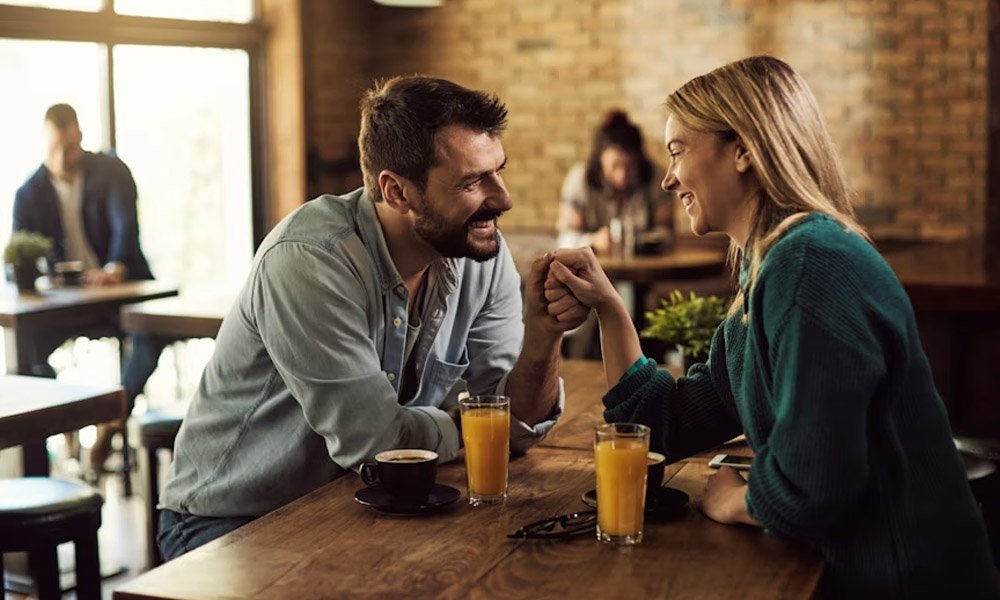
The online dating industry operates on a simple premise that technology should make finding compatible partners easier. Yet standard dating applications fail millions of users who seek relationships beyond conventional parameters. Luxury dating platforms have emerged as specialized services that address this gap through sophisticated matching technologies and curated user bases. These platforms serve users whose relationship preferences require more nuanced approaches than mass-market apps provide.
The Technology Behind Selective Matching
According to Transparency Market Research Inc., AI-driven matchmaking and blockchain verification are becoming central to user authentication on premium platforms. These technologies create secure spaces where users can form connections without concerns about fake profiles or misrepresented identities. Machine learning algorithms analyze communication patterns, interaction preferences, and compatibility markers that mainstream platforms overlook.
Archive Market Research reports that advanced matching algorithms using artificial intelligence assess compatibility through multiple data points beyond basic demographics. These systems evaluate lifestyle compatibility, communication styles, and relationship goals to create matches that align with each user’s specific requirements. The technology moves beyond simple location and age filters to incorporate behavioral analysis and preference learning.
Regional Preferences Shape Platform Development
Dating platforms adapt their features based on regional user preferences and cultural expectations. According to Developer Bazaar’s Dating App Statistics for 2025, Japanese users prioritize safety and privacy features, with platforms like Pairs and Omiai gaining traction among those seeking serious relationships through verified user bases. German users engage with platforms such as Parship and ElitePartner, which focus on helping professionals establish long-term relationships through comprehensive compatibility assessments.
Dataintelo’s regional analysis indicates that North America leads in adopting sophisticated matchmaking technologies. The region’s technological infrastructure supports complex algorithms that enhance service quality through personalized matching processes. Europe shows growing acceptance of professional matchmaking services, particularly in the UK, Germany, and France, where users seek high-quality, personalized relationship assistance.
When Personal Preference Meets Platform Design
Luxury dating platforms accommodate a wide range of relationship preferences that standard apps often overlook. Some users seek companionship with established professionals, others look for mentorship alongside romance, and certain members prefer dating partners from specific backgrounds or with particular life experiences. The customization these platforms provide extends beyond basic filters, they create spaces where someone finding a sugar baby can connect as easily as those seeking traditional partnerships or other relationships where maturity matters more than conventional compatibility markers.
The personalization technology behind these platforms recognizes that modern relationships take many forms. Machine learning algorithms analyze communication patterns and interaction preferences to suggest matches that align with each user’s specific relationship goals. These systems account for factors that mainstream apps ignore: career-dating balance preferences, lifestyle compatibility beyond income brackets, and the particular dynamics people seek in their partnerships. This technological sophistication allows luxury platforms to serve users whose relationship preferences fall outside conventional dating app parameters.
Niche Markets Define New Standards
Market.us reports that the industry segments into specialized services, including social dating, niche dating, matchmaking, and adult dating platforms. Each category develops unique approaches to facilitate authentic connections. Niche dating applications cater to specific interests and demographics, with platforms like Tastebuds Media connecting music enthusiasts through shared musical preferences.
The segmentation extends beyond interests to include professional status, educational background, and lifestyle choices. Dataintelo’s premium matchmaking service analysis notes that high-net-worth users seek discreet, personalized matchmaking services that respect their privacy while providing access to compatible partners through carefully curated processes.
Technology Integration and User Trust
Transparency Market Research highlights that AR/VR dating features are emerging as methods to facilitate immersive initial interactions before in-person meetings. Video-based interactions have become standard features as users seek genuine ways to assess compatibility. These technological additions address trust concerns that plague mainstream dating applications.
Blockchain verification systems enhance profile authenticity and create transparent user environments. According to Archive Market Research, data privacy concerns drive platforms to implement robust safety features and user authentication measures. The prevalence of fake profiles continues to be addressed through sophisticated verification processes that luxury platforms prioritize.
Generational Adoption Patterns
As mentioned in Transparency Market Research’s analysis, Gen Z and Millennials prefer virtual dating experiences, personalized matches, and interactive features beyond traditional swiping mechanisms. These younger demographics seek meaningful connections through platforms that offer depth in matching processes.
Archive Market Research’s analysis shows increasing acceptance of online dating spans age groups, with older demographics becoming comfortable using platforms to form meaningful connections. This cultural acceptance reflects changing attitudes toward relationship formation across generations.
Platform Design Versus User Needs
According to Statista’s Market Forecast, users apply sophisticated search filters based on age, location, and personal attributes to find compatible partners. This intentional approach to relationship seeking contrasts with casual encounter models. Customers seek platforms offering advanced algorithms and data-driven matching techniques to ensure higher relationship compatibility.
Market.us notes that application-based platforms dominate over web portals as users prefer mobile-first dating experiences. Subscription-based models create ad-free, focused environments for relationship development. These design choices respond to user demands for serious relationship formation rather than casual interactions.
The Future of Curated Connections
Luxury dating platforms represent a departure from volume-based matching toward quality-focused connections. The integration of artificial intelligence, blockchain verification, and immersive technologies creates environments where users can pursue specific relationship types without compromise. As Statista’s analysis indicates, customers demand personalized and efficient services with advanced algorithms that identify genuine compatibility beyond surface-level attributes.
The success of luxury dating platforms depends on their ability to serve users whose needs extend beyond mainstream dating app capabilities. Through technological sophistication and attention to user privacy, these platforms create spaces where various relationship preferences can flourish. The question remains not if luxury platforms are the key to modern matchmaking, but rather how mainstream services will adapt to meet the standards these premium platforms establish.