
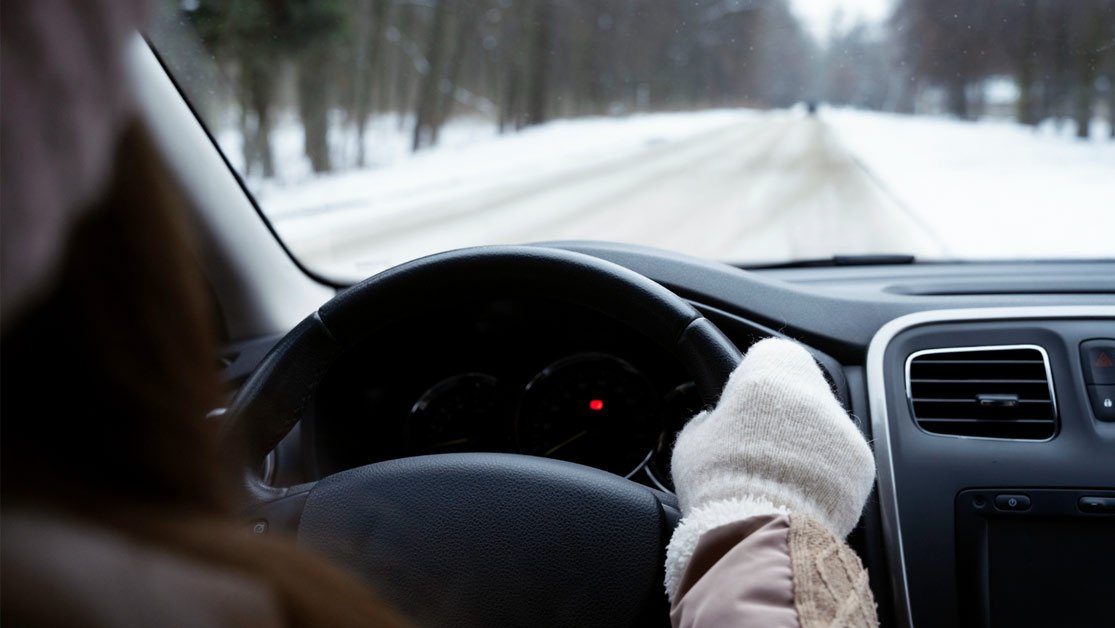
Driving in winter can sometimes be a nerve wracking experience.
And whether you’re new to driving or you’ve only ever experienced dry weather behind the wheel, getting to grips with winter conditions takes time and patience. No matter what type of car you drive, it’s worth learning how to stay safe and keep control once the weather takes a turn for the worse. Here’s how.
Choose the right tyres
Winter conditions make the roads more slippery for every vehicle. From dirt and debris to sleet and snow, natural hazards can quickly become dangerous when they meet busy routes.
Heavy rain can also cause localised flooding and widespread standing water, especially on wide roads like motorways. When you add rush-hour traffic into the mix, this can be a recipe for disaster!
To protect yourself against slippery roads, equipping your car with good quality tyres is a non-negotiable. You should choose winter tyres wherever possible, and if you live in a very snowy place, it could be worth installing snow chains too.
Remember, you usually get what you pay for. Don’t be tempted to choose budget tyres when it comes to driving safely in the winter.
Plan your travel times
If you already know the routes that you’re going to take, travelling at certain times could mean avoiding the worst of the traffic – and the most dangerous conditions.
For example, if you’re going to town to run some errands, you should try to drive during daylight hours and outside of peak times. This should give you a clearer view of the road ahead and help you to achieve confident handling with your vehicle, even in bad weather.
On cold nights, ice can be very hard to spot and can even form invisible patches known as black ice. Making your journey during the daytime will reduce the risk of encountering this hazard, especially if you live in a rural area.
Get covered
Nothing gives you peace of mind like the right protection. To safeguard against accidental damage, it’s worth making sure that you and your car are fully covered before winter really sets in.
There are plenty of different types of car insurance available. If you’re serious about staying safe over winter, telematics insurance could encourage you to drive sensibly and help you save money long-term in the process.
A comprehensive policy is the minimum level of cover that you should be happy with, especially if you’re using your car both leisure and commuting. This could protect you against third-party damage alongside theft and accidental damage, whether you or someone else is at fault.
Lastly, don’t forget that it’s never too late to brush up on your skills as a driver. Whether you take a specific course or practise with an experienced friend in the passenger seat, a little bit of extra knowledge could give you the confidence needed to breeze through the winter.