
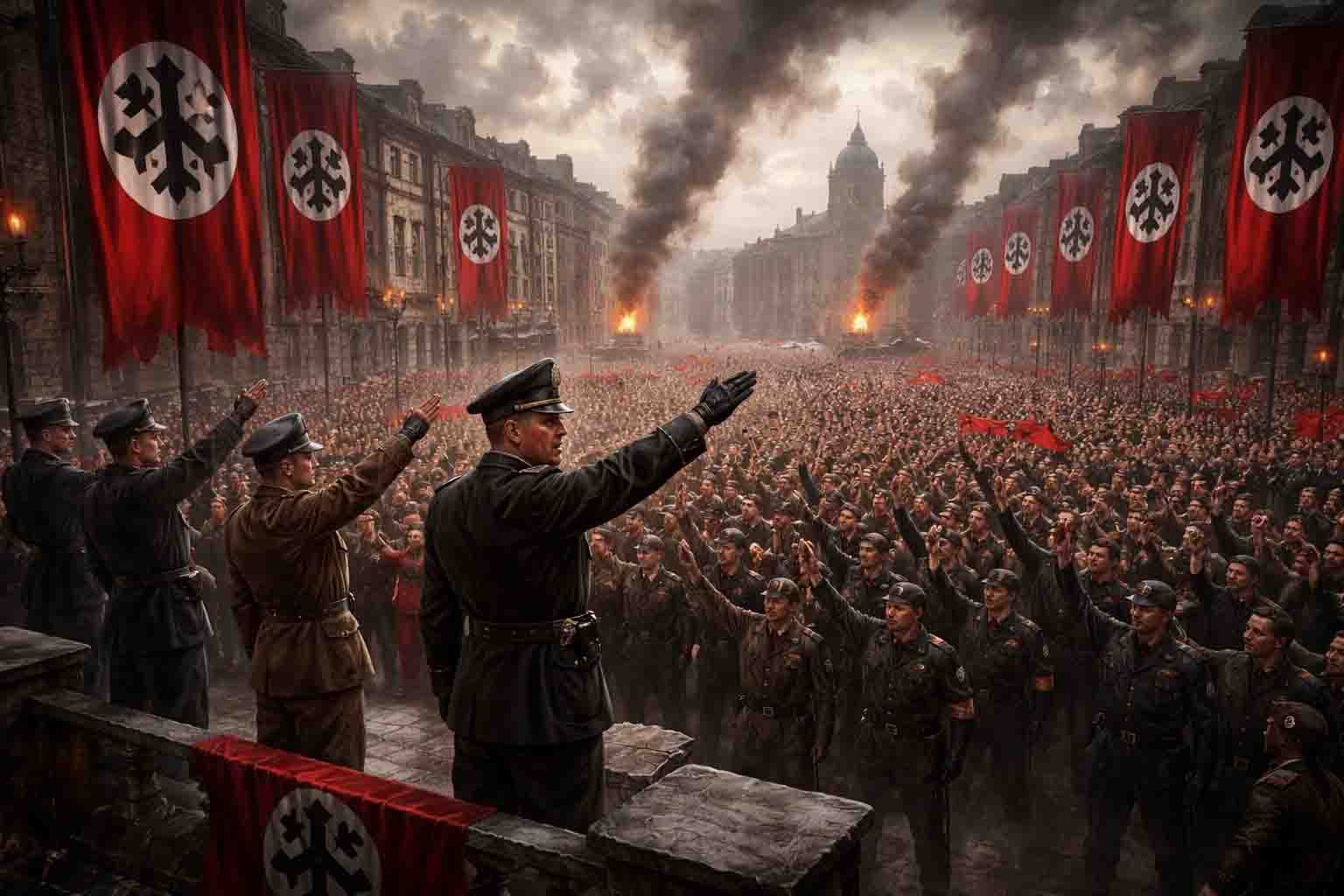
Have you ever heard the word Fascisterne and wondered what it really means? It may sound like an old word from history books. But it is more than that. It represents a political movement that changed the world in very serious ways.
The story of Fascisterne is about power, fear, and control. It is about leaders who promised strength and pride during hard times. Many people believed them. Sadly, those promises led to war, suffering, and loss of freedom for millions.
In this article, we will slowly and clearly understand who the Fascisterne were. We will learn where fascism started, what it believed, and who led it. We will also see how it affected countries like Denmark and why it still matters in 2026.
What Does Fascisterne Mean?
The word Fascisterne is Danish. It simply means “the fascists.” It was used to describe people who supported fascism, especially during World War II. In Denmark, this word became important during the German occupation.
The word comes from the Italian word fascio, which means a bundle or group. The idea was that people are stronger when they stand together under one leader. This idea of unity sounds positive at first. But in fascism, unity meant control and no disagreement.
Today, people still use the word Fascisterne in political debates. Sometimes it is used correctly to describe extremist groups. Other times, it is used as an insult. Because of history, the word carries heavy meaning and strong emotions.
Where Did Fascism Start?
Fascism began in Europe after World War I. Many countries were in deep trouble. There was no money. Jobs were hard to find. Governments were weak. People felt angry and lost. They wanted someone strong to fix everything quickly.
In Italy, a man named Benito Mussolini saw this anger and fear. He promised to make Italy powerful again. He said he would bring order and pride. In 1922, he took control of the country. This was the first fascist government.
Soon, similar ideas spread to Germany and other countries. In Germany, people were upset because of the Treaty of Versailles. They felt humiliated and poor. Fascism gave them someone to blame and someone to follow. That is how Fascisterne movements began to grow.
Who Were the Main Fascist Leaders?
1. Benito Mussolini
Benito Mussolini was the first major fascist leader. He came to power in Italy in 1922 after what was called the March on Rome. He told people he would make Italy strong and respected again. Many believed him.
Mussolini created a one-party system. He removed political opponents. He controlled newspapers and public speech. He used fear and strong speeches to keep people loyal. His leadership became the model for other Fascisterne movements.
He wanted total control over the country. The government became more important than individual freedom. This idea became a key part of fascism.
2. Adolf Hitler
Adolf Hitler followed Mussolini’s example in Germany. He led the Nazi Party and gained power in 1933. He promised jobs, strength, and national pride. Many Germans supported him during hard economic times.
Hitler added something even more dangerous. He mixed fascism with racial ideas. He claimed that some races were better than others. This belief led to terrible crimes, including the Holocaust.
Like Mussolini, Hitler built a strong cult around himself. People were taught to see him as a hero and savior. Loyalty to Hitler became equal to loyalty to Germany. This was a clear example of how Fascisterne worked.
3. Giovanni Gentile
Giovanni Gentile was not a loud public leader like Mussolini or Hitler. He was a thinker and writer. He helped explain fascism in books and speeches. He believed that the state was more important than the individual.
Gentile said that people should find meaning by serving the nation. Personal freedom, in his view, was less important than national unity. His ideas gave fascism an intellectual base.
Even though he was not as famous as other leaders, his ideas helped shape how Fascisterne justified their power and control.
What Did the Fascisterne Believe?
The Fascisterne believed in one strong leader with full power. They did not support democracy in the normal sense. They thought debates and elections made a country weak.
They believed the nation should always come first. Individual rights were less important than the goals of the state. If someone disagreed with the government, they were often treated as enemies.
Fascisterne also strongly opposed communism and liberal democracy. They said they offered a “third way.” But in reality, it meant strict control and very little freedom.
Extreme Nationalism and Racism
Extreme nationalism was at the heart of Fascisterne ideology. They believed their nation was better than others. This belief created an “us versus them” mindset. People who were different were often blamed for problems.
In Nazi Germany, this became even more serious. Hitler promoted racial purity. Jewish people, Roma people, disabled people, and others were treated as inferior. This led to discrimination, violence, and genocide.
This kind of thinking shows how dangerous extreme nationalism can become. It starts with pride. But it can grow into hate and division. That is one of the biggest lessons from the history of Fascisterne.
Control, Censorship, and Fear
Fascisterne governments controlled the media. Newspapers, radio, and films were used to spread propaganda. Only positive messages about the leader and the nation were allowed.
Education was also changed. Children were taught to obey and to love the state above everything else. Youth groups trained them in discipline and military values from a young age.
Secret police and paramilitary groups created fear. People were afraid to speak openly. Neighbors sometimes reported each other. Slowly, fear became normal life under Fascisterne rule.
Fascisterne in Denmark
Now let’s move to Denmark. Many people think fascism only affected Italy and Germany. But the story of Fascisterne also touched Denmark during the 1930s and World War II. Some Danish groups supported Nazi ideas. Others strongly resisted them.
One main group was DNSAP, the Danish Nazi Party. It copied Hitler’s style, symbols, and speeches. It wanted Denmark to follow Germany’s path. But most Danish people did not support it. The party never became very powerful.
During the German occupation from 1940 to 1945, some Danes worked with the occupiers. Groups like Frikorps Danmark sent volunteers to fight for Germany on the Eastern Front. At the same time, brave Danish citizens joined resistance groups.
Denmark is also remembered for something powerful. More than 7,000 Danish Jews were secretly moved to Sweden to save their lives. This shows that while some supported Fascisterne, many others chose courage and humanity instead.
Fascisterne and World War II
The ideas of Fascisterne played a major role in World War II. In 1939, Germany invaded Poland. This action started the war. Soon, many countries were pulled into the conflict.
Fascist leaders believed war made nations stronger. They wanted to expand their power. Germany invaded many European countries. Italy joined as an ally. This caused massive destruction across cities and communities.
The war led to more than 70 million deaths. One of the darkest parts was the Holocaust. Millions of Jewish people and others were killed because of racist ideas. This shows how dangerous fascist beliefs became in real life.
Even in the middle of war, resistance groups formed across Europe. Ordinary people risked their lives to fight Fascisterne rule. Their bravery reminds us that even in dark times, people can stand for what is right.
The Fall of Fascisterne
By 1943, things began to change. Italy’s fascist government collapsed. Mussolini was later captured and executed in 1945. His rule ended in failure and chaos.
In Germany, Hitler faced defeat on many fronts. Allied forces pushed back from the west and east. In 1945, Hitler took his own life. Soon after, Germany surrendered. The fascist governments were finally over.
After the war, leaders were held accountable. The Nuremberg Trials punished major war criminals. This was a new idea at the time. It showed that even powerful leaders must answer for their actions.
New global systems were created. The United Nations was formed. The Universal Declaration of Human Rights was written in 1948. These steps were taken to prevent Fascisterne-style rule from rising again.
How Fascism Affected Society
Life under Fascisterne was not free or open. People could not speak their minds. Newspapers printed only what the government allowed. Courts followed orders from leaders. Elections were not truly fair.
Schools taught children to obey and follow the state. Youth groups trained boys and girls to be loyal and ready for war. Art, music, and books were controlled. Creativity was limited to what supported the regime.
Fear became part of daily life. People worried that someone might report them. Families were divided by politics. Trust slowly disappeared. Even after the war ended, the emotional scars remained for many years.
Because of this damage, many countries worked hard to rebuild trust and democracy. Human rights laws grew stronger. Societies learned that freedom and open debate are important for a healthy country.
Are Fascisterne Ideas Still Around Today?
You might wonder, do ideas like Fascisterne still exist in 2026? The old regimes are gone. But some similar ideas appear in modern politics around the world.
Some groups promote extreme nationalism. Some leaders attack the media or blame immigrants for problems. Others speak in ways that divide people instead of uniting them. These patterns can feel familiar when we study history.
Social media has changed how ideas spread. Today, messages can move very fast online. This can help good causes. But it can also help extremist ideas grow. That is why awareness is important.
Modern movements may not use the word fascism. But when power becomes too centralized, when critics are silenced, and when fear is used as a tool, those are warning signs. Learning about Fascisterne helps us notice those signs early.
Why It Is Important to Study Fascisterne
Studying Fascisterne is not just about the past. It helps us understand how democracies can weaken slowly. It shows how fear, crisis, and strong promises can change a country step by step.
When people know history, they can ask better questions. They can think carefully before believing big promises. They can protect free speech, fair courts, and equal rights. Education becomes a shield.
Teaching young people about fascism builds critical thinking. It encourages empathy and respect for differences. It reminds us that human rights matter for everyone, not just for some groups.
In 2026, the world is connected and fast-moving. That makes it even more important to remember lessons from Fascisterne. Awareness helps protect freedom and keeps societies strong.
Final Thoughts
The story of Fascisterne is a serious part of world history. It shows how powerful ideas can shape nations. It also shows how quickly freedom can disappear when power is unchecked.
Fascism grew during hard times. It promised pride and order. But it delivered war, fear, and suffering. That is why the word Fascisterne still carries deep meaning today.
The good news is this. History also shows courage. It shows resistance. It shows people rebuilding democracy after dark times. That gives hope.
By learning about Fascisterne, we protect the future. We stay alert. We value freedom. And we remember that democracy must be cared for every single day.
FAQs
Where did Fascisterne ideas begin?
Fascisterne ideas began in Europe after World War I. Many countries were poor and unstable. People wanted strong leadership. Fascism first rose in Italy under Benito Mussolini in 1922.
Who were the main leaders connected to Fascisterne?
The main leaders were Benito Mussolini in Italy and Adolf Hitler in Germany. They promised national strength and unity. Their leadership led to strict control, war, and serious human rights abuses.
What did the Fascisterne believe in?
Fascisterne believed in one strong leader with full power. They supported extreme nationalism. They rejected democracy. They believed the nation was more important than individual rights.
How were Fascisterne connected to World War II?
Fascisterne played a major role in World War II. Nazi Germany invaded Poland in 1939, starting the war. Fascist regimes expanded aggressively, leading to massive destruction and millions of deaths.
Did Fascisterne exist in Denmark?
Yes. In Denmark, groups like DNSAP supported fascist ideas during the 1930s and 1940s. Some Danes collaborated with Nazi Germany, while many others joined the resistance movement.
Discover more:
Discover LeoMorg: The Simple Guide to This Powerful New Tool
What Is Frehf? The New Digital Concept Everyone Is Talking About
What Is Hormita? The Powerful Concept Changing Health, Business, and Nature