
Sports and physical activity are commonly encouraged in Singapore as part of maintaining general health, fitness, and mobility. Activities such as jogging, football, badminton, swimming, gym training, and recreational fitness classes are widely practised by individuals across different age groups and fitness levels.
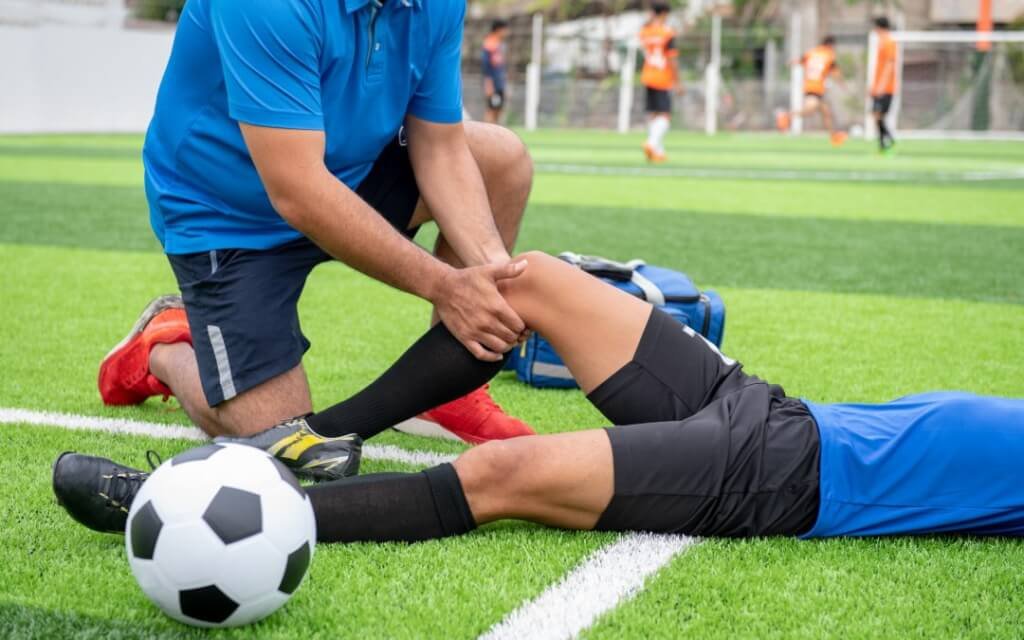
While regular exercise supports cardiovascular health, muscle strength, and joint mobility, it also places stress on the musculoskeletal system. Sports injuries may occur when physical load exceeds the body’s ability to adapt, when movement patterns are incorrect, or when recovery is insufficient. These injuries may involve muscles, tendons, ligaments, or joints, and can vary from mild discomfort to more significant conditions that affect daily movement.
Understanding simple preventive measures may help individuals reduce unnecessary strain during physical activity. In cases where pain persists, or when swelling and movement limitation occur, medical assessment by a healthcare professional experienced in musculoskeletal conditions may be considered.
Understanding Common Sports Injuries
Types of injuries frequently seen in active individuals
Sports-related injuries can affect different areas of the body depending on the activity performed, intensity level, and movement patterns involved. Common conditions include:
- Muscle strains, where fibres are overstretched or partially torn due to excessive force or fatigue
- Ligament sprains, particularly in weight-bearing joints such as the ankle and knee
- Tendon-related conditions caused by repetitive stress over time
- Joint irritation affecting areas such as the shoulder, knee, or hip
- Impact injuries such as bruises or, in more severe cases, fractures
Lower limb injuries are often reported in running and jumping sports, while upper limb and shoulder conditions are more common in racquet sports, swimming, and weight training activities.
Common causes of sports-related injuries
Sports injuries typically do not occur from a single factor alone. Instead, they are often the result of multiple contributing causes, including:
- Sudden increase in training intensity, duration, or frequency
- Insufficient warm-up before exercise or activity
- Incorrect movement technique or posture during training
- Muscle imbalance, weakness, or reduced flexibility
- Inadequate rest between training sessions
- Use of unsuitable or worn-out footwear and equipment
- Returning to activity too quickly after a previous injury
Over time, repeated strain without adequate recovery may also lead to overuse conditions, which develop gradually and may initially present as mild discomfort.
Simple Ways to Reduce Sports Injury Risk
Warm-up and cool-down routines
A proper warm-up is an important part of preparing the body for physical activity. It gradually increases heart rate, improves blood circulation, and activates muscles that will be used during exercise. Warm-ups may include light aerobic movement such as brisk walking, cycling, or slow jogging, followed by dynamic stretching.
Cooling down after exercise helps the body transition back to a resting state. Gentle stretching may assist in maintaining flexibility and reducing muscle tightness after activity. Consistent warm-up and cool-down routines may help reduce sudden stress on muscles and joints.
Proper technique and movement awareness
Correct technique plays an important role in distributing physical load evenly across the body. Poor movement patterns may place excessive stress on certain joints or muscle groups, increasing the risk of injury over time.
Examples include:
- Incorrect running posture affecting the knees, hips, and lower back
- Improper lifting technique during strength training increasing back strain
- Poor landing mechanics in jumping sports affecting ankles and knees
- Incorrect shoulder positioning during overhead movements leading to irritation
Learning correct form through supervision, coaching, or structured training programmes may help improve movement efficiency and reduce unnecessary strain during activity.
Gradual increase in training intensity
The body requires time to adapt to physical stress. When training intensity or duration is increased too quickly, tissues such as muscles, tendons, and ligaments may become overloaded.
A gradual progression approach may include:
- Increasing training load in small, controlled steps
- Incorporating rest days into weekly routines
- Alternating between high-intensity and low-impact activities
- Avoiding sudden changes in exercise type or volume
This approach allows the musculoskeletal system to adapt progressively, reducing the likelihood of overload-related discomfort.
Wearing appropriate footwear and equipment
Footwear and sports equipment play a supportive role in reducing impact and maintaining stability during movement. Proper shoes can help absorb force and support alignment during running, jumping, or lateral movement.
Examples include:
- Running shoes designed for repetitive impact absorption
- Court shoes that support side-to-side movement in sports such as badminton or basketball
- Supportive gear such as ankle braces or knee supports when appropriate for specific activities
Using worn-out footwear may reduce stability and increase strain on joints, particularly during high-impact movements.
Rest and recovery practices
Rest is an essential part of any physical activity routine. During rest periods, muscles and connective tissues repair and adapt to previous stress. Without sufficient recovery time, the risk of overuse injuries may increase.
Helpful recovery practices include:
- Scheduling rest days within weekly exercise routines
- Ensuring adequate sleep to support tissue recovery
- Alternating muscle groups during training sessions
- Reducing intensity when early signs of fatigue or soreness appear
Mild soreness after exercise may be common, especially after new or intense activity. However, persistent pain, swelling, or discomfort that worsens over time may indicate an underlying strain that requires attention.
When to Seek Medical Assessment
Sports-related discomfort may improve with rest and self-care in many cases. However, medical assessment may be considered if certain symptoms persist or interfere with daily activity.
These symptoms include:
- Pain that continues despite rest or modification of activity
- Swelling around joints or soft tissues
- Reduced range of motion or stiffness
- A feeling of instability in a joint, such as the knee or ankle
- Difficulty returning to usual exercise levels
Early evaluation may help identify the underlying cause of symptoms and guide appropriate management. In Singapore, individuals often seek medical advice when symptoms affect mobility, work, or exercise routines.
Role of Orthopaedic Evaluation in Sports Injuries
Assessment approach
Evaluation with an orthopaedic specialist typically involves a structured process that includes discussion of symptoms, medical history, and physical examination. Movement and joint function may be assessed to understand the extent of the condition.
In some cases, imaging such as X-rays or magnetic resonance imaging (MRI) may be recommended to support clinical findings. These tools help provide additional information about bones, soft tissues, and joint structures.
Management considerations
Management of sports injuries depends on the type, severity, and duration of symptoms. Common approaches may include:
- Activity modification to reduce stress on the affected area
- Structured rehabilitation exercises to support strength and mobility
- Pain management strategies when appropriate
- Gradual return-to-activity planning
- Surgical intervention in selected cases when conservative measures are not sufficient
Rehabilitation is often an important part of recovery, focusing on restoring movement, improving strength, and supporting a safe return to physical activity.
Supporting Long-Term Joint and Muscle Health
Maintaining musculoskeletal health requires consistent habits rather than short-term changes. Regular physical activity helps maintain strength and flexibility, but balance is important to avoid overuse.
Supportive practices include:
- Incorporating both strength and flexibility training
- Maintaining balanced muscle development across different body regions
- Avoiding repetitive strain without variation in movement patterns
- Paying attention to early signs of discomfort during exercise
- Allowing adequate recovery between sessions
Small adjustments in training habits may contribute to reduced strain on joints and muscles over time.
Sports participation offers important benefits for physical health, mobility, and overall well-being. However, sports injuries may occur when the body is exposed to excessive or repeated stress without adequate preparation or recovery.
Simple preventive strategies such as proper warm-up routines, gradual training progression, correct technique, appropriate footwear, and sufficient rest may help reduce the likelihood of injury. Awareness of early symptoms is also important, as timely attention to discomfort or persistent pain may support better recovery outcomes.
Individuals experiencing ongoing symptoms after physical activity may consider seeking medical assessment to better understand the condition and explore appropriate management options.