
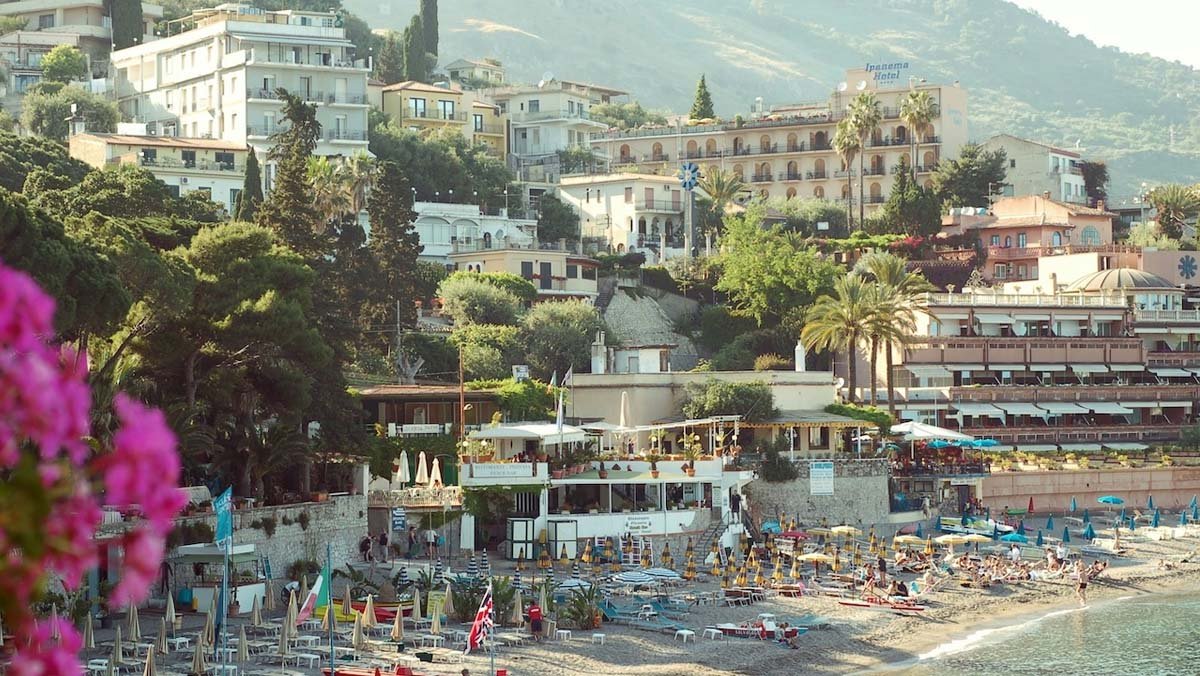
Sicily has always occupied a singular place in the Mediterranean imagination. It is an island defined by its visceral contrasts, where the scorched earth of the interior meets the crystalline clarity of the sea, and where the echoes of ancient Greece, Rome, and Byzantium are still audible in the bustling markets and quiet hilltop villages. For decades, the global perception of Sicilian travel was centered around the grand hotels of Taormina or the baroque splendor of Palermo. However, as we move through 2026, a new demographic of sophisticated travelers is rewriting the script. Moving away from the crowded hotspots and the predictability of traditional resorts, these explorers are seeking a “secret” side of the island—one defined by silence, architectural heritage, and an unmediated connection to the rugged coastline.
Sicily has always occupied a singular place in the Mediterranean imagination. It is an island defined by its visceral contrasts, where the scorched earth of the interior meets the crystalline clarity of the sea, and where the echoes of ancient Greece, Rome, and Byzantium are still audible in the bustling markets and quiet hilltop villages. For decades, the global perception of Sicilian travel was centered around the grand hotels of Taormina or the baroque splendor of Palermo. However, as we move through 2026, a new demographic of sophisticated travelers is rewriting the script. Moving away from the crowded hotspots and the predictability of traditional resorts, these explorers are seeking a “secret” side of the island—one defined by silence, architectural heritage, and an unmediated connection to the rugged coastline.
The transition toward residential exclusivity
The current landscape of high-end travel in Italy is increasingly defined by the concept of “residential exclusivity.” As the world’s most iconic destinations face the challenges of mass tourism, the ability to carve out a private, fully-serviced sanctuary has become the ultimate status symbol. For the modern high-net-worth individual, the goal is to weave oneself into the fabric of a territory without the friction of a communal environment. This has led to a burgeoning demand for private estates that function as both a home and a cultural bridge, offering an immersive depth that even the most prestigious presidential suites often fail to provide. In Sicily, this residential model allows visitors to live within the heritage they have come to admire, far from the prying eyes of the public, effectively turning a holiday into a temporary residency.
Navigating the market with specialized curators
To navigate the highly fragmented market of noble palazzos and secluded coastal retreats, sophisticated visitors are increasingly turning to specialized local gatekeepers who offer more than just a booking portal. Utilizing a renting service as SopranoVillas for villas in Sicily has become a fundamental strategy for those who demand access to “off-market” properties—historic noble estates, seaside architectural marvels, and restored bagli that are often hidden from the general public. This consultancy-led approach ensures that the stay is not merely a vacation, but a profound immersion into the island’s noble heritage. Once the logistical anchor of a private home is established, the visitor is free to explore the coast’s hidden geography with a sense of temporary belonging, supported by a concierge team capable of organizing restricted access to cultural sites and private culinary journeys that reflect the true soul of the territory.
Taormina: the eternal hub of high society
Taormina remains the undisputed “grande dame” of Sicilian tourism. Perched high on a cliff overlooking the Ionian Sea, with the smoke of Mount Etna often visible on the horizon, it has served as a sanctuary for artists, writers, and aristocrats since the 19th century. From the ancient Greek Theatre to the luxury boutiques of Corso Umberto, the town exudes a timeless elegance. Yet, even in this historic bastion of glamour, the nature of travel is changing. Discerning visitors are increasingly looking for ways to experience Taormina’s beauty without the “lobby culture” of the grand hotels. They seek out private estates nestled in the surrounding hills, where they can enjoy the town’s vibrant culinary scene by evening but retreat to a private sanctuary of silence by day, overlooking the turquoise waters of Isola Bella.
The Val di Noto and the Baroque cultural renaissance
Beyond the immediate allure of Taormina, the southeast of the island—specifically the Val di Noto—has emerged as the center of a refined cultural renaissance. Towns like Noto, Modica, and Scicli are no longer just stops on a tour; they are hubs for a new generation of designers and entrepreneurs who have restored baroque palaces and turned them into havens of minimalist luxury. This region attracts those who value the “human scale” of travel—where an afternoon can be spent discussing ancient grains with a local miller or exploring the pristine dunes of the Vendicari Nature Reserve. The honey-hued limestone of the architecture creates a monochromatic landscape that feels both ancient and modern, providing an ideal backdrop for the “slow luxury” movement that defines high-end Sicilian travel in 2026.
Sensory heritage: gastronomy and the connection to the land
The gastronomy of the region is another pillar of this redefined standard of travel. Sicily is currently experiencing a culinary renaissance that prioritizes the “zero-meter” philosophy. In private estates, this often translates to a private chef who acts more like a culinary curator than a traditional cook. They source red prawns from the deep waters of Mazara del Vallo and citrus from the estate’s own trees to create menus that are an intellectual exchange between the guest and the producer. This gastronomic intimacy is the ultimate expression of modern exclusivity; in 2026, the elite traveler wants to know the name of the artisan who produced the hand-painted tiles under their feet and the history of the vineyard where their wine was bottled, ensuring that their stay supports the local ecosystem and preserves the island’s incredible biodiversity.
The final frontier of Mediterranean discretion
As we look toward the future of high-end travel, Sicily stands as the vanguard of a more respectful, quiet, and profound form of hospitality. The ability to disappear into a private sanctuary, supported by a world-class but invisible service infrastructure, is the new gold standard. It is a place where history, nature, and luxury converge to create an experience that is as authentic as it is refined. The vertical landscapes, the volcanic soils, and the ancient stone walls provide a fortress of privacy for those who believe that the most meaningful journeys are the ones that allow us to truly arrive and find the silence between the waves in a home that feels entirely our own.
Frequently Asked Questions (FAQ)
What is the best time of year to visit Sicily’s luxury destinations? While the summer months offer the quintessential Mediterranean experience, the “shoulder seasons” of May-June and September-October are increasingly favored by elite travelers. During these months, the temperatures are ideal for exploring archaeological sites, and the island regains its natural, unhurried rhythm away from the peak tourist flows.
Are these luxury villas suitable for multi-generational families? Yes, many of the island’s most prestigious estates are specifically designed for large families. They often feature multiple independent wings or guesthouses within the same grounds, allowing different generations to share a communal holiday while maintaining their own private spaces and schedules.
Is it possible to arrange high-level security for private stays? Top-tier agencies coordinate with professional security firms to provide various levels of protection. This can range from advanced surveillance systems integrated into the villa’s architecture to “low-profile” private security personnel who monitor the perimeter without intruding on the guests’ privacy or the relaxed holiday atmosphere.