
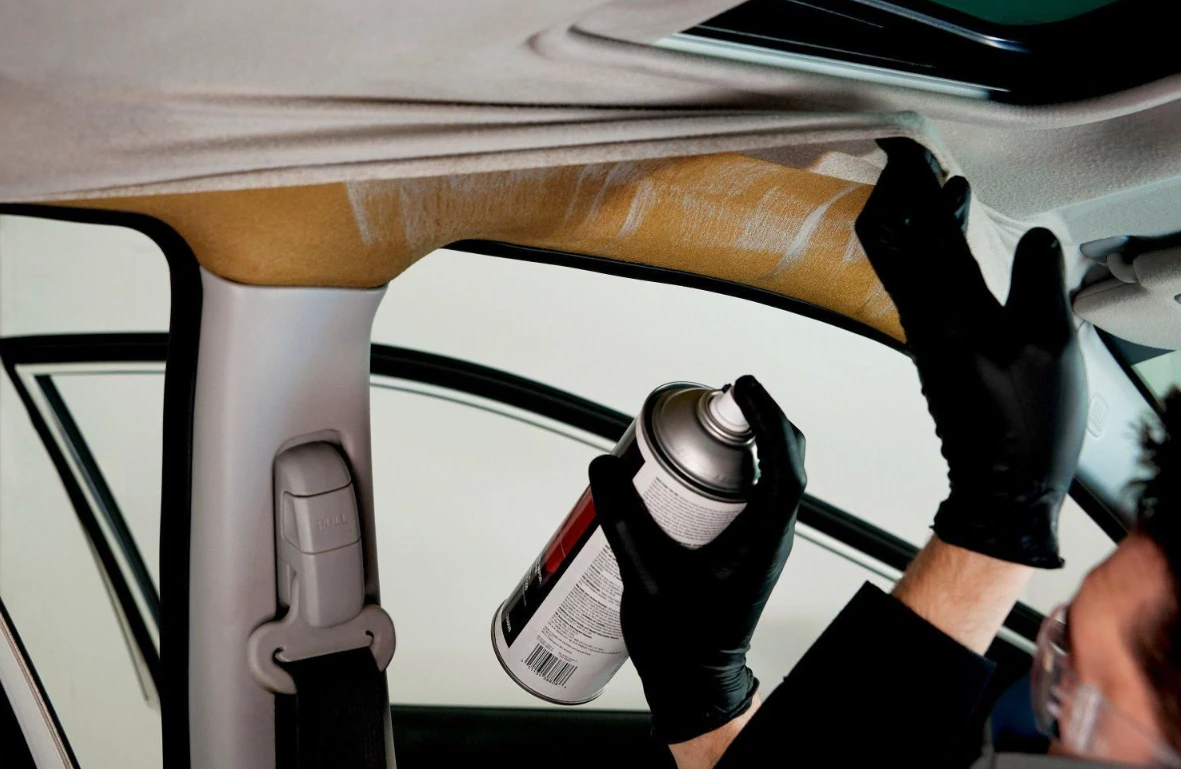
A sagging headliner is one of the most common problems vehicle owners face, especially in older cars exposed to heat and humidity. Not only does a drooping car ceiling look unattractive, but it can also distract drivers and reduce the overall comfort of your vehicle. Fortunately, with the right tools and techniques, you can restore your car’s interior without spending hundreds at an upholstery shop.
In this guide, you’ll learn how to fix a sagging headliner permanently using professional-grade adhesive products and simple DIY methods.
What Causes a Headliner to Sag?
A car headliner consists of fabric attached to a foam backing, which is then secured to the roof of the vehicle using adhesive. Over time, heat, moisture, and aging weaken the glue, causing the fabric to separate and hang down.
Common causes include:
- Excessive sun exposure
- High interior temperatures
- Aging adhesive materials
- Moisture buildup inside the cabin
- Poor-quality repair products
If left untreated, the damage can spread quickly across the entire ceiling.
Tools and Materials You’ll Need
Before starting your DIY restoration project, gather the following materials:
- Upholstery brush
- Screwdrivers for trim removal
- Clean microfiber cloths
- Protective gloves and mask
- Foam-safe adhesive
- Utility knife
- Roller or flat applicator
The most important component is selecting a reliable adhesive. Using a high-quality car ceiling spray glue ensures strong bonding and long-lasting results.
For professional-grade repairs, many DIY enthusiasts and auto upholstery experts prefer Sprayidea aerosol adhesive because of its heat resistance, easy application, and durable hold.
Step-by-Step Guide to Repair a Sagging Headliner
Step 1: Remove Interior Trim Pieces
Start by carefully removing trim panels, visors, dome lights, and grab handles surrounding the headliner. This provides enough access to pull down the affected section without damaging the fabric.
Be gentle during removal to avoid cracking plastic components.
Step 2: Peel Back the Loose Fabric
Slowly pull back the sagging section of the headliner fabric. In most cases, the old foam backing will have deteriorated into powder. Clean the surface thoroughly using a brush or cloth.
Removing old residue is critical because new adhesive bonds poorly to dusty surfaces.
Step 3: Apply the Adhesive Evenly
Shake the adhesive thoroughly before use. Spray an even coat onto both the headliner board and the backside of the fabric.
Using a premium car ceiling spray glue helps prevent future sagging because it creates a stronger and more heat-resistant bond compared to standard household adhesives.
Allow the adhesive to become tacky for the recommended time listed on the product instructions.
Step 4: Reattach the Fabric Carefully
Starting from one side, gently press the fabric back into place. Use a roller or flat tool to smooth out wrinkles and air bubbles as you go.
Work slowly and evenly to ensure a professional-looking finish.
Step 5: Let It Cure Properly
After reinstalling the headliner, allow the adhesive to cure completely before driving the vehicle. Most high-quality aerosol adhesives dry within a few hours, but full bonding strength may take up to 24 hours.
Avoid exposing the vehicle to direct sunlight during the curing process.
Why Choosing the Right Adhesive Matters
Many DIY headliner repairs fail because people use ordinary glue that cannot withstand high cabin temperatures. During summer, vehicle interiors can exceed 140°F (60°C), causing weak adhesives to soften and fail.
That’s why professionals recommend Sprayidea aerosol adhesive for automotive interior restoration projects. Its strong bonding performance, heat resistance, and smooth spray application make it ideal for permanent headliner repairs.
Additionally, aerosol adhesives provide better coverage and minimize lumps or uneven spots compared to liquid glue alternatives.
Tips to Prevent Future Headliner Damage
Once your headliner is restored, follow these maintenance tips to extend its lifespan:
Park in Shaded Areas
Reducing heat exposure helps preserve both the adhesive and the fabric backing.
Use a Windshield Sunshade
Sunshades significantly reduce cabin temperatures during hot weather.
Keep the Interior Dry
Moisture can weaken adhesive bonds over time, so address leaks immediately.
Clean the Headliner Gently
Avoid soaking the fabric with water or harsh chemicals during cleaning.
Is DIY Headliner Repair Worth It?
Absolutely. Repairing a sagging headliner yourself can save hundreds of dollars in labor costs while restoring the appearance of your vehicle’s interior. With proper preparation and the right adhesive products, even beginners can achieve professional-quality results.
Investing in a dependable car ceiling spray glue and trusted products like Sprayidea aerosol adhesive ensures your repair lasts for years rather than months.
Final Thoughts
A sagging headliner may seem like a major problem, but it’s a manageable DIY project with the right approach. By carefully cleaning the surface, applying a strong adhesive, and reinstalling the fabric properly, you can permanently restore your car’s interior appearance.
Whether you’re restoring an older vehicle or simply improving your daily driver, using high-quality automotive adhesives is the key to achieving durable and professional results.

