
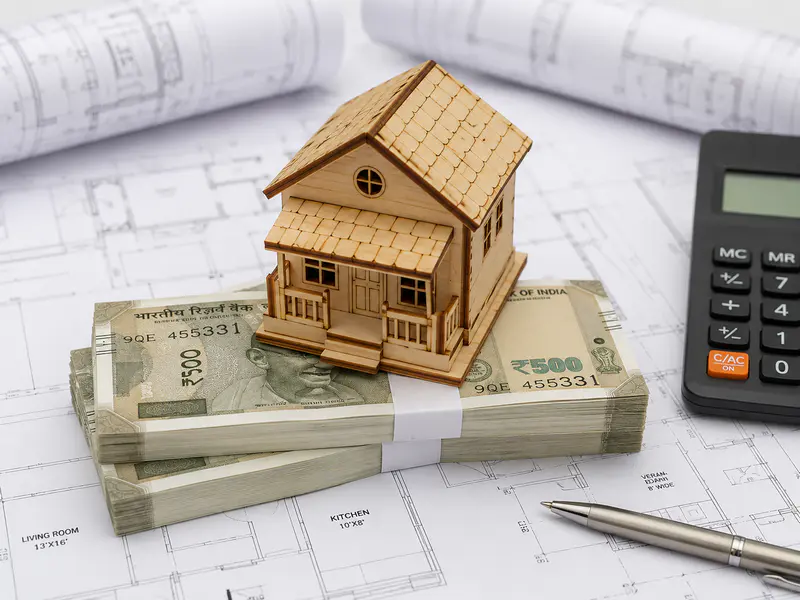
Building your own home is one of the most rewarding things you’ll ever do. But along with the excitement comes a financial reality check — and in today’s 2026 market, costs can shift faster than most people expect. Material prices move, labor rates vary, and what seemed like a solid budget six months ago can feel tight by the time your walls go up.
So, the truth is, the house construction cost of basic residential property starts from 150 to 220 USD per square foot. This is just an estimate to start with. The real expenses depend very much on many factors such as market price, your choice of material, design complications, etc., and that means staying in charge of your budget from beginning to end.
Note: The data presented in this guide are merely estimates of the average cost around the world. Actual prices may differ depending on local market conditions and other factors.
Average Construction Cost Per Square Foot (2026)
The total built-up area in your house is the point to start with, but the actual level of finish that you aspire for decides the final figure. The material used in residential construction can be divided into four categories:
| Quality Tier | Cost Range (Per Sq Ft) | Core Specifications & Inclusions |
| Budget / Economy | $80 – $130 | Basic masonry, unbranded cement, standard ceramic tile flooring, entry-level bathroom fixtures. |
| Standard | $130 – $200 | Cement of good quality, structural steel bars, vitrified tiles, modular kitchen arrangements, and proper plumbing and electrical fittings. |
| Premium | $200 – $300 | High-end flooring options, designer windows and facades, branded sanitaryware, and smart home automation wiring. |
| Luxury | $300 – $500+ | Imperial stone or hardwood flooring, customized glazing, complete home automation, customized elevation designs, and best-quality fittings throughout. |
Most homeowners find that the Standard tier offers the best balance — solid quality and long-term durability, without paying a premium for details that won’t meaningfully improve daily life.
Where Does Your Money Actually Go?
Every unit of money you put into a build flows into a few clear categories. Here’s how a typical 2026 residential project breaks down:
Materials (60-70%) — Clearly the biggest component of your cost allocation, and rightfully so. Your building is literally made out of cement, reinforced steel structure, sand, aggregates, masonry blocks, and roofing materials.
Labor (20-25%) — Skilled and semi-skilled labor, such as masons, steel fixers, carpenters, plumbers, electricians, and painting work. Higher-paid labor may seem expensive at first, but the savings from fewer errors is tremendous.
Design and Approvals (5-10%) — The hidden costs that you don’t want to ignore. Architectural consultants, structural engineers, soil testing, and securing your local building permits and plan approvals all fall into this bucket.
Finishes & Fixtures — The visible elements once you step inside: internal and external doors, windows, sanitaryware, and electrical fittings. These costs vary enormously depending on the brands and styles you choose.
External Works — Everything around your home that makes the property complete: boundary walls, gates, drainage systems, rainwater management structures, and basic landscaping.
One thing worth understanding clearly — your material choices are the single biggest variable you control. Choosing a premium product over a standard alternative can shift your materials line item by 20% to 30%. On a full build, that is a significant sum. Make those choices deliberately, not by default.
What Pushes Costs Up (or Down)
| Factor | Real-World Impact |
| Material Quality Tier | Moving from basic to premium materials can increase total project costs by 20% to 40%. |
| Design Complexity | Elaborate architectural features and irregular shapes increase fabrication costs by 15% to 30%. |
| Labor Rates | Experienced teams command higher rates but significantly reduce the cost of field errors and rework. |
| Foundation Requirements | Loose, clay, or waterlogged soil requires deeper reinforced foundations — costs rise early in the project. |
| Total Building Size | Larger footprints lower your overall per-square-foot cost through economies of scale. |
| Number of Stories | Multi-storey builds require stronger columns, additional slab work, and heavier structural load design. |
| Market Commodity Shifts | Sudden price movements in global steel and cement markets feed directly into your active project bills. |
Understanding the key variables helps you plan more accurately and avoid expensive surprises mid-build:
Smart Ways to Keep Costs Under Control
It is not necessary for you to be a victim of market uncertainties. Just by observing a few things carefully during pre-construction, your budget will remain intact. For example, finalize your plan before anything else, as making structural changes once construction has begun costs too much and halts all your workforce.
Stick with standard geometry: Square and rectangular layouts are cost-efficient and practical. Curved facades, irregular footprints, and excessive custom elevation features require specialised framing and generate significant material waste.
Gather multiple supplier quotes: Never accept the first price offered. Contact several suppliers, compare costs, and use competition to negotiate bulk purchase discounts — they are almost always available if you ask.
Insist on an accurate Bill of Quantities (BOQ): Do not accept a contract without a BOQ specifying exact quantities of materials, along with unit costs for each item.
Time your purchases strategically: Buying bulk materials like aggregates or structural units during off-peak construction periods can yield meaningful savings when demand — and prices — are lower.
Set aside a firm 10–15% contingency fund — and protect it: This reserve is not for adding design upgrades midway through the build. It exists solely to absorb unexpected site conditions, supply disruptions, or cost movements. Projects without this buffer are the ones that stall or go over budget.
How to Calculate Your Base Construction Cost
The core formula is straightforward and universal:
Construction Base Cost = Built Up Area (sq feet) x Tier Rate of Building Materials per sq foot
For example, planning to build 1,500 sq feet of building at Standard tier material cost of $170 per sq foot
1,500 x $170 = $255,000
That is your baseline figure. From there, a detailed Bill of Quantities lets you track costs down to individual material units — preventing over-ordering, catching pricing errors early, and keeping your entire project financially transparent.
Closing Thoughts
What is the most crucial mind set change that you could make as a homeowner? Changing from a mind set of vague estimates to one of careful itemized planning. While the 2026 global baseline of $150 to $220 per square foot provides a useful starting point for estimating house construction cost, your real financial security comes from pairing a thorough BOQ with a reliable cost estimation process — and maintaining that 10–15% contingency buffer throughout the entire build.
Take the time to plan it out well before the work starts. The effort put into planning will save you so much hassle and expense later on.

