
Walk into any upscale boutique or well-run medical office, and there’s something you notice before you consciously register it. The space just feels more put-together. More trustworthy. More worth your money.
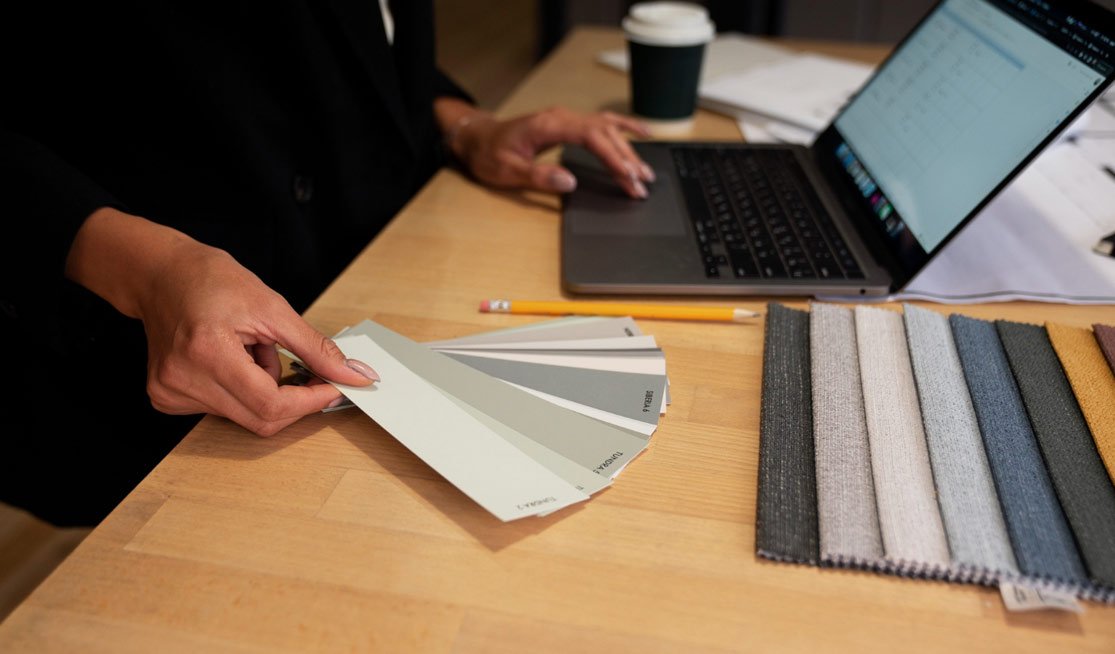
A lot of that impression comes down to materials. Not the layout, not the color scheme (though those matter too), but the actual physical materials used throughout the space. Cheap-looking fixtures, flimsy displays, or worn-out surfaces send a message whether businesses intend it or not. On the flip side, thoughtful material choices create an immediate sense of quality that customers pick up on right away.
The interesting thing is that “professional” doesn’t always mean “expensive.” It means appropriate, well-maintained, and purposefully chosen. A cafe with clean timber tables and quality acrylic menu holders looks far more professional than one with fancy marble counters that are chipped and poorly maintained.
Why Materials Matter More Than Most Business Owners Think
Here’s what happens in the first few seconds when someone walks into a business. Their brain is processing dozens of visual cues, making snap judgments about whether this place is trustworthy, whether it’s worth their time, whether the products or services will match their expectations.
Materials play a huge role in that assessment. A law office with dated wood paneling and cheap plastic door signs doesn’t inspire confidence in the same way that clean lines and quality materials do. A retail store with scratched glass displays and faded signage makes customers wonder if the products inside match that lack of attention to detail.
The problem is that many businesses focus heavily on their branding, their website, their marketing materials, but then overlook the physical environment where customers actually interact with them. It’s a disconnect that savvy customers notice, even if they can’t quite articulate why something feels “off.”
The Materials That Elevate a Space
Certain materials have earned their reputation for good reason. They hold up well, they clean easily, they maintain their appearance over time, and they simply look better than their cheaper alternatives.
Quality acrylic and Perspex products have become go-to choices for businesses that want a clean, modern appearance. They offer the clarity of glass without the weight, fragility, or safety concerns. A well-designed display made from premium acrylic communicates that a business cares about presentation and quality. Companies like Productive Plastics specialize in custom fabrication that helps businesses create exactly the look they’re after, whether it’s for retail displays, protective barriers, or branded signage elements.
Stainless steel fixtures also carry a professional appearance, particularly in settings where hygiene matters. Medical offices, restaurants, and high-end retail spaces use it because it looks clean and substantial. It doesn’t chip, it doesn’t rust (when properly maintained), and it has a timeless quality that doesn’t go out of style.
Natural timber, when it’s actually quality timber and not the particleboard variety, brings warmth and sophistication to a space. A solid wood reception desk or shelving unit tells customers that a business invested in something built to last. The grain, the weight, the way it ages gracefully—all of these things contribute to a sense of permanence and quality.
Even something as simple as powder-coated metal makes a difference. Compare a display rack with cheap chrome plating that’s already showing wear to one with a quality powder-coated finish. The difference in appearance and durability is immediately obvious.
Where Businesses Get It Wrong
The most common mistake is mixing too many material types or quality levels in one space. A reception area with a beautiful stone counter, cheap plastic chairs, and flimsy acrylic brochure holders creates visual confusion. Each element is fighting the others instead of creating a cohesive impression.
Another issue is choosing materials that can’t handle the actual conditions they’ll face. Untreated wood in a high-moisture environment, materials that scratch easily in high-traffic areas, or fabrics that stain and can’t be properly cleaned—these choices might look good initially, but they deteriorate quickly and end up looking worse than budget options that were chosen more thoughtfully.
Some businesses also make the mistake of going too trendy with materials. That industrial concrete look might be popular now, but will it still work for a business in five years? Will it match the brand as it evolves? Classic materials tend to age better and provide more flexibility as businesses grow and change.
Smart Material Choices for Different Business Types
Retail spaces benefit from materials that showcase products without competing for attention. Clear acrylic displays, neutral-toned shelving, and quality lighting fixtures create a backdrop that makes merchandise the star. The materials should feel substantial enough to suggest quality but clean and simple enough not to distract.
Service-based businesses—think law offices, accounting firms, consulting agencies—do well with materials that convey stability and trustworthiness. Quality timber, leather (or leather-look vinyl that’s well-made), brushed metals, and understated signage materials work better than anything too flashy or trendy.
Creative businesses and agencies can be more playful with materials, but there’s still a line between creative and chaotic. Mixing materials intentionally is different from mixing them haphazardly. Even in a creative space, the materials should feel purposeful and well-executed.
Food and beverage businesses need materials that balance aesthetics with practical considerations around hygiene and durability. Stainless steel, sealed timber, quality tile, and food-safe plastics all have their place. The key is making sure everything can be thoroughly cleaned and will hold up under constant use.
The ROI of Better Materials
Upgrading materials isn’t just about appearances—it makes financial sense over time. Quality materials last longer, require less frequent replacement, and maintain their appearance with basic care. That acrylic display that costs three times as much as the cheap plastic alternative but lasts ten times longer is actually the budget-friendly choice.
There’s also the less tangible but very real impact on customer perception. Businesses that look professional can charge professional rates. Customers are willing to pay more when the environment suggests they’re getting quality. A retail store with quality fixtures and displays can support higher price points than one that looks budget.
The maintenance factor matters too. Materials that clean easily and resist wear save countless hours of upkeep. That time has a cost, whether it’s staff time or the business owner’s own hours.
Making the Upgrade Without Breaking the Bank
The good news is that improving material quality doesn’t require a complete overhaul. Small, strategic changes often make the biggest impact. Replacing cheap signage with quality alternatives, upgrading display fixtures gradually, or investing in one really excellent piece (like a reception desk or feature wall) can shift the entire feel of a space.
Starting with customer-facing areas delivers the best return. The reception area, main display zones, and entrance elements are where material quality matters most. Behind-the-scenes areas can use more budget-conscious options without affecting customer perception.
Working with suppliers who understand both aesthetics and function helps businesses make smart choices. Custom solutions often cost less than expected when they’re designed efficiently, and they fit the space perfectly instead of forcing generic options into places they don’t quite work.
The bottom line is that materials communicate values. They tell customers whether a business takes pride in its presentation, whether it’s built to last, whether it’s worth their trust and money. Getting those material choices right creates a foundation that supports everything else a business does.