
The Hidden Reason Kitchens Continue to Attract Pests
Many property owners assume that repairing a damaged roof or replacing broken tiles will permanently stop pest activity inside the home. While roof repairs are important, they rarely address the internal conditions that attract pests in the first place. Kitchens remain among the most targeted areas, even in homes with newly installed roofs.
Kitchens offer a combination of food sources, moisture, warmth, and concealed spaces that pests actively seek. Small gaps, hidden damp areas, and overlooked entry points allow pests to enter, settle, and breed without being noticed. Understanding why kitchens remain vulnerable is essential for preventing long-term infestations and property damage.
Why Roof Repairs Alone Do Not Stop Kitchen Pests
Roof repairs help prevent external water entry, but they do not seal internal access points or remove the conditions that pests depend on. Even with a secure roof, kitchens continue to provide everything pests need to survive.
Food crumbs, unsealed pantry items, and grease residue offer easy nourishment. Moisture from sinks, dishwashers, and leaking pipes creates damp environments. Warmth from ovens, refrigerators, and electrical appliances keeps pests active year-round. Hidden gaps behind cabinets, wall voids, and plumbing penetrations allow pests to move freely through the structure.
Without addressing these internal factors, pests will continue to target kitchens regardless of roof condition.
Common Pests That Target Kitchens
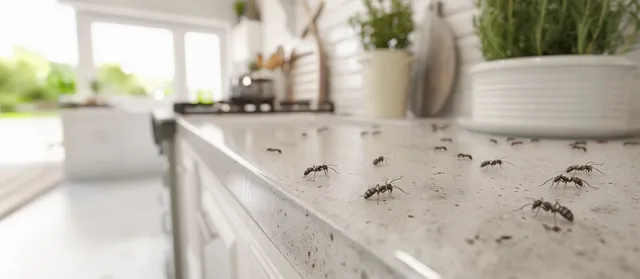
Kitchens attract a wide range of pests due to constant access to food and water. Cockroaches are among the most common, breeding rapidly in dark, moist areas behind cabinets and appliances. Ants are drawn to sugar and food residue, often forming visible trails across benchtops and floors.
Rodents are another major concern. They seek warmth, shelter, and easy food access, nesting inside wall cavities, cupboards, and appliance voids. Pantry beetles and weevils infest dry food items such as flour, rice, and cereals. Drain flies breed inside sink pipes and spread quickly once organic matter builds up. Each of these pests poses hygiene risks if left untreated.
Moisture: The Biggest Pest Magnet in Kitchens
Moisture remains one of the strongest attractants for pests. Even minor plumbing issues can create ideal breeding conditions that remain hidden for long periods.
Slow leaks under sinks, condensation behind refrigerators, damp cabinets, and poor ventilation near cooking areas all contribute to persistent moisture. These conditions often go unnoticed until infestations become severe. Rodents and cockroaches thrive in these concealed, damp spaces, where warmth and shelter are consistent.
Managing moisture early is one of the most effective ways to reduce pest activity in kitchens.
The Impact of Kitchen Moisture on Stone Surfaces
Kitchens fitted with natural stone surfaces face additional risks when moisture problems persist. Benchtops and splashbacks supplied by a natural stone supplier are durable, but many stone materials are porous. When moisture becomes trapped beneath stone surfaces, it can weaken adhesives, affect joints, and lead to staining or lifting over time.
Persistent dampness beneath stone benchtops can also encourage rodent activity. Rodents are drawn to moist, protected areas near cabinetry and stone installations, especially when food sources are nearby. Proper sealing, moisture control, and routine inspections help protect both stone surfaces and the surrounding kitchen structure.
Hidden Entry Points Inside the Kitchen
Many pest entry points exist entirely within the kitchen and are often overlooked. Gaps around plumbing pipes, cracks behind cabinetry, wall voids, and electrical outlets allow pests to enter unnoticed. In apartment buildings and townhouses, interconnected wall cavities enable pests to travel between neighbouring properties.
Once rodents or insects establish these pathways, infestations can spread rapidly. Addressing only visible gaps without inspecting internal access routes often leads to recurring pest problems.
Risks of Ignoring Kitchen Pest Activity
Ignoring early signs of pest activity can lead to serious consequences. Food contamination presents health risks, particularly when rodents access preparation areas and storage spaces. Rodents can also damage cabinetry, insulation, and wiring, increasing repair costs and fire risks.
Infestations often spread beyond the kitchen into other rooms when left untreated. Delayed rodent control allows populations to grow, making removal more complex and expensive. Early action reduces long-term damage and disruption.
The Importance of Professional Pest Inspections
Professional pest inspections play a key role in identifying hidden infestations before visible damage occurs. A licensed pest exterminator uses tools such as moisture meters, thermal imaging, and probing equipment to detect concealed pest activity and moisture sources.
These inspections help identify rodent nesting areas, movement paths, and entry points inside kitchens. Regular assessments reduce the likelihood of recurring infestations and protect both hygiene and structural integrity.
Effective Pest Control Solutions for Kitchens
Professional pest management combines targeted treatments with preventative measures. Residual sprays are used for insects such as cockroaches and ants. Baiting systems and trapping strategies form the foundation of effective rodent control, targeting nesting and travel routes without disrupting household use.
Drain treatments eliminate breeding sites inside plumbing systems, while exclusion methods help seal access points. Addressing moisture sources alongside treatment improves long-term effectiveness.
Preventing Pests After Roof Repairs
Preventing pests requires more than roof maintenance alone. Plumbing leaks should be repaired promptly, food should be stored in airtight containers, and grease build-up should be removed regularly. Cleaning under appliances helps eliminate hidden food sources.
Sealing gaps around pipes and cabinets limits entry points, while routine inspections by a qualified pest exterminator help detect early warning signs. Managing hygiene, moisture, and structural access together offers the most reliable protection.
Final Thoughts
Roof repairs alone do not prevent pests from targeting kitchens. Food availability, moisture, warmth, and hidden entry points continue to attract pests even in well-maintained homes. Kitchens fitted with stone surfaces supplied by a natural stone supplier require additional care, as trapped moisture can damage materials and encourage pest activity.
Addressing the root causes through professional inspections, moisture management, and timely rodent control protects the kitchen environment and reduces the risk of costly repairs. Early intervention remains the most effective solution.
Frequently Asked Questions
Why do rodents often appear in kitchens even after roof repairs?
Rodents are attracted to kitchens because of food availability, moisture from sinks and appliances, and warm, enclosed spaces. Roof repairs may stop external water entry, but they do not remove internal conditions that rodents rely on to survive.
Can moisture under kitchen sinks attract rodents?
Yes. Persistent moisture from leaking pipes or poor ventilation creates damp environments that rodents prefer for nesting. These areas often remain hidden behind cabinets, allowing infestations to grow unnoticed.
Do natural stone benchtops increase the risk of pest problems?
Stone itself does not attract pests. However, moisture trapped beneath stone surfaces supplied by a natural stone supplier can weaken joints and create sheltered areas that encourage rodent activity if not properly sealed and maintained.
What signs indicate the need for professional rodent control?
Common signs include droppings inside cupboards, scratching noises at night, damaged food packaging, and unpleasant odours. If any of these appear, professional rodent control should be arranged promptly to prevent further damage.
How does a pest exterminator identify hidden rodent activity in kitchens?
A licensed pest exterminator inspects wall cavities, cabinetry, and plumbing areas using moisture detection tools and visual assessments. They identify nesting sites, movement paths, and entry points that are not visible during routine cleaning.
How can rodents be prevented from returning after treatment?
Prevention includes fixing plumbing leaks, sealing gaps around pipes and cabinets, storing food in airtight containers, and scheduling regular pest inspections. Combining moisture control with professional rodent management provides long-term protection.

