
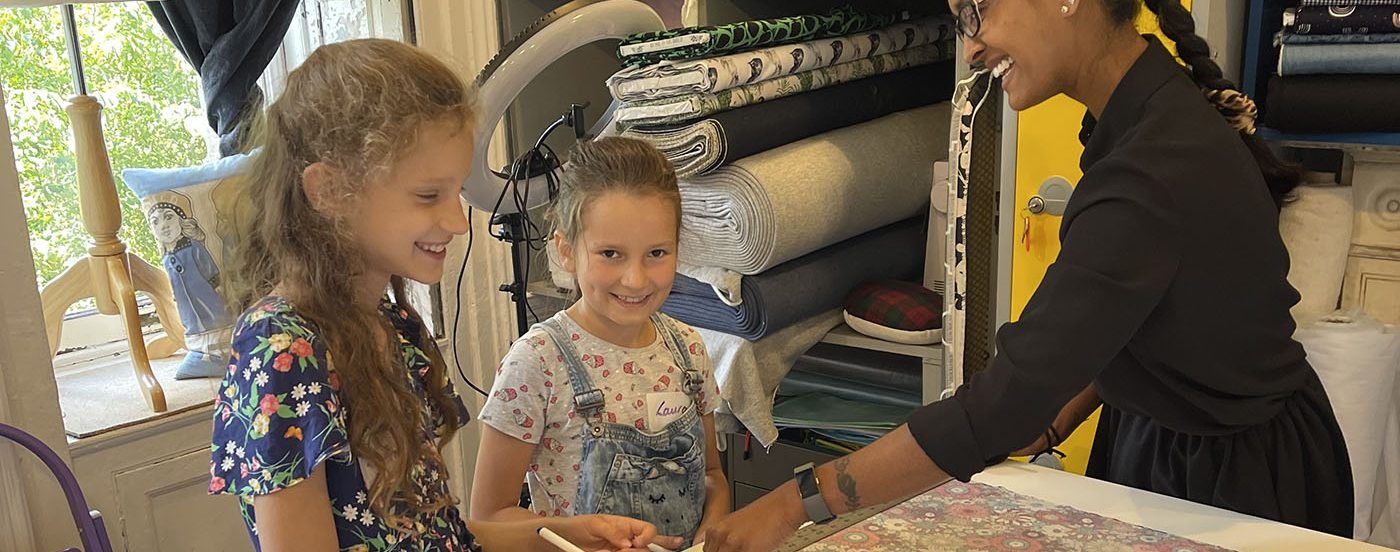
You can’t help but notice how broad the childcare sector really is. Step into any nursery, school, or playgroup and you’ll quickly sense there’s far more than simply supervising playtime. You might end up working as a nursery practitioner, early years educator, teaching assistant or specialise in supporting children with SEND (Special Educational Needs and Disabilities). Some even move towards management, inspection, or policy.
Modern childcare puts a premium on safeguarding, personal development, creativity and resilience. The best practitioners reveal new corners of learning for little ones daily, combining patience with the ability to juggle a dozen different needs at once. Your specific route can shape which of these elements you get to focus on. Sound challenging? That’s half the adventure.
Options for entering or advancing in childcare arrive in three main forms: college-based vocational courses, university degree routes, or work-based learning like apprenticeships. Each provides an alternative starting point, but a shared outcome, working where it counts, at the heart of children’s early lives.
Entry-Level Childcare Qualifications
When you’re beginning, the most common starting places are Level 1, Level 2, or Level 3 qualifications in childcare, early years education, or related support roles. You will find that many local colleges and training providers offer these practical routes.
Popular Entry Choices
- CACHE Level 2 Certificate in Childcare & Education: This is a popular option for those keen to become nursery or classroom assistants. You can study full-time or part-time, either in person or sometimes online.
- BTEC First Diploma in Children’s Play, Learning & Development: If you lean towards hands-on tasks, this BTEC mixes classroom study with on-the-job experience, ideal for those wanting a balanced start.
- Level 3 Early Years Educator (EYE): For those aiming to work unsupervised or lead activities, the EYE is often a must. Entry requirements tend to be higher here, as you’ll need a decent set of GCSEs, Maths and English included.
Entry-level courses focus on essentials. Expect modules on child development, safeguarding, play-based learning, and communication. Often, you must complete a certain number of hours on work placement, putting theory into genuine settings. Sometimes colleges partner you up with local nurseries, giving you a taste of the real pace.
By the time you complete an entry-level qualification, you should have the confidence (and toolkit) to support children aged 0-5. Many use this first step as a springboard to further study, while others dive straight into paid roles.
Advanced Childcare Courses and Specialisations
You might reach a point where the basics aren’t stretching you quite enough, and you need to start looking at level 4 childcare courses. Cue the next round of options: advanced courses and branching specialisations.
Stepping Up to Level 4 and Beyond
Once you hold a Level 3 qualification (or equivalent), doors swing open to advanced study. You might pick a Level 4 certificate focused on leadership, management, or supporting children with extra needs. Each course shapes your day-to-day differently, so think about where you want to make a real impact.
Specialist Certificates
You will find specialist courses in areas like special educational needs (SEN), paediatric first aid, speech and language support, or safeguarding lead roles. These are often delivered as shorter, part-time courses. In the case that you work within a particular setting, employers may fund (or recommend) certain certifications to boost outcomes for your children.
The best thing? Many advanced courses build towards more senior positions, such as nursery manager, early years setting coordinator, or SENCO (Special Educational Needs Coordinator). You will develop a deeper toolkit, ready for tricky situations that call for more than a gentle voice and a watchful eye. If you crave a sense of progression and a bigger say in how centres run, this route could suit you.
University Degree Pathways in Childcare and Early Years
Degree courses will appeal to you if you have a passion for theory, research, and strategic roles. Universities across the UK offer BA (Hons) in Early Childhood Studies, Education Studies with Early Years, or similar titles.
What’s Involved?
You’ll be diving into topics like child psychology, play theory, health and well-being, policy, and sometimes even research methods. You may choose full-time, part-time, or even distance learning schedules. Interspersed throughout most degrees? Placements or periods of assessed practical work. These bridge the gap between frameworks and the real laughter (and noise) of a playgroup.
These degrees open up more senior avenues, such as early years teaching, policy development, educational research, or working as a consultant in training or safeguarding. PGCEs (Postgraduate Certificate in Education) with Early Years specialism can follow, offering a route to Qualified Teacher Status for those keen on teaching the youngest age groups.
You might choose this route if you want the breadth to shape national policy, design new early years frameworks, or eventually lecture others. Some go on to postgraduate qualifications, like a Master’s in Child Psychology or specialised SEND courses.
Apprenticeships and Work-Based Learning Options
For many in the UK, the appeal of earning while learning wins out. Childcare apprenticeships blend working in settings such as nurseries or schools, with structured training designed around your actual job.
You can start via the Level 2 Early Years Practitioner apprenticeship, progressing to Level 3 Early Years Educator. You’ll be paired with mentors, complete mandatory training in safeguarding or paediatric first aid, and at the end, take a practical assessment usually called an End Point Assessment (EPA).
Perks and Possibilities
Unlike traditional college routes, apprenticeships let you gain vital experience with real children, under the guidance of colleagues who’ve already weathered a few Ofsted inspections. You’ll receive a wage, accrue service (helpful for future promotions), and sometimes find employers eager to help you jump to degree apprenticeships. If the classroom feels a little distant or you like to learn by doing, this is a strong path. There’s a real sense of belonging as you become a full team member, learning with sleeves rolled up.
Choosing the Right Course Route for Your Goals
Pausing here, you might be wondering, ‘Which route will actually get me where I want to go?’ Good question. Your answer depends a lot on your current experience, study habits, finances, and long-term ambitions.
- If you crave flexibility or need to juggle around caring responsibilities, part-time courses or apprenticeships could suit you.
- Yearning for senior leadership or policy roles? University degrees and Level 5+ qualifications may open the most doors.
- Want to become job ready quickly? Focus on Level 2 or 3 certificates, often completed within a year, and look for settings offering placements as part of study.
- In the case that you’re already working or volunteering, professional development or postgraduate short courses might raise your profile fast.
Really, you should weigh up delivery style, assessment type, entry criteria and progression options. Speak to college or university advisors, current practitioners, and even browse forums with the odd moan about coursework or placements. You will find the choice isn’t just about study but also about the settings and children you want to help flourish.
To Wrap Up
Childcare in the UK rewards those who find a course route tailored to their lives, ambitions, and everyday strengths. Whether you thrive on theory or can handle a toddler’s energy before 9am, there’s a route in. You will discover, as you set out, that knowledge gained in classrooms, nurseries, or even on a windswept school playground all counts towards the bigger picture.
Ask questions, stay curious, and remember, few careers let you influence so many futures, so early. The patchwork path can become your own tapestry, one that matters to countless little ones (and their grateful grown-ups) for years to come.

