
Stage lighting plays a crucial role in shaping the atmosphere and visual appeal of events such as concerts, weddings, parties, and theatrical performances. It is not only about illuminating a space but also about creating mood, highlighting key moments, and enhancing the audience’s overall experience. With advancements in lighting technology, modern stage lighting solutions now offer greater flexibility, efficiency, and creative possibilities than ever before.
From dynamic effects to precise spotlighting, understanding different types of stage lighting and their applications can significantly improve event production quality. This article explores the fundamentals of stage lighting, key equipment, and how to use them effectively in entertainment settings.
Understanding Modern Stage Lighting Systems
Modern stage lighting systems are designed to provide versatility and control, allowing lighting designers to create visually engaging environments. Among the most popular options today are moving heads lighting, which offer dynamic movement, color changes, and beam effects. These lights can pan, tilt, and adjust focus, making them ideal for concerts, live shows, and large-scale events where constant visual variation is required.
In addition to moving lights, stage lighting systems often include LED fixtures, wash lights, and control consoles. Together, these components enable synchronized lighting effects that can match music, highlight performers, and enhance storytelling. The integration of digital control systems further allows precise programming and automation, ensuring consistency throughout the event.
Types of Stage Lights and Their Functions
Different types of stage lights serve specific purposes, and understanding their roles is essential for effective lighting design.
- Wash Lights: Provide even illumination across the stage, creating a base layer of light.
- Beam Lights: Produce sharp, concentrated beams for dramatic effects.
- LED Par Lights: Energy-efficient fixtures used for color washes and background lighting.
- Effect Lights: Include strobes, lasers, and pattern projectors to add excitement.
Each type contributes to the overall lighting design, helping to create depth, contrast, and visual interest. Combining these lights strategically ensures a balanced and professional look.
Importance of Lighting in Events and Entertainment
Lighting is one of the most influential elements in event production. It directly affects how audiences perceive a performance or setting.
In weddings, soft and warm lighting creates a romantic atmosphere. In concerts, dynamic lighting energizes the crowd and enhances the performance. For corporate events, clean and focused lighting ensures professionalism and clarity.
Lighting also plays a psychological role by guiding attention, setting the mood, and reinforcing themes. A well-designed lighting setup can transform a simple venue into a visually stunning environment, making the event memorable for attendees.
Role of Spotlights in Stage Design
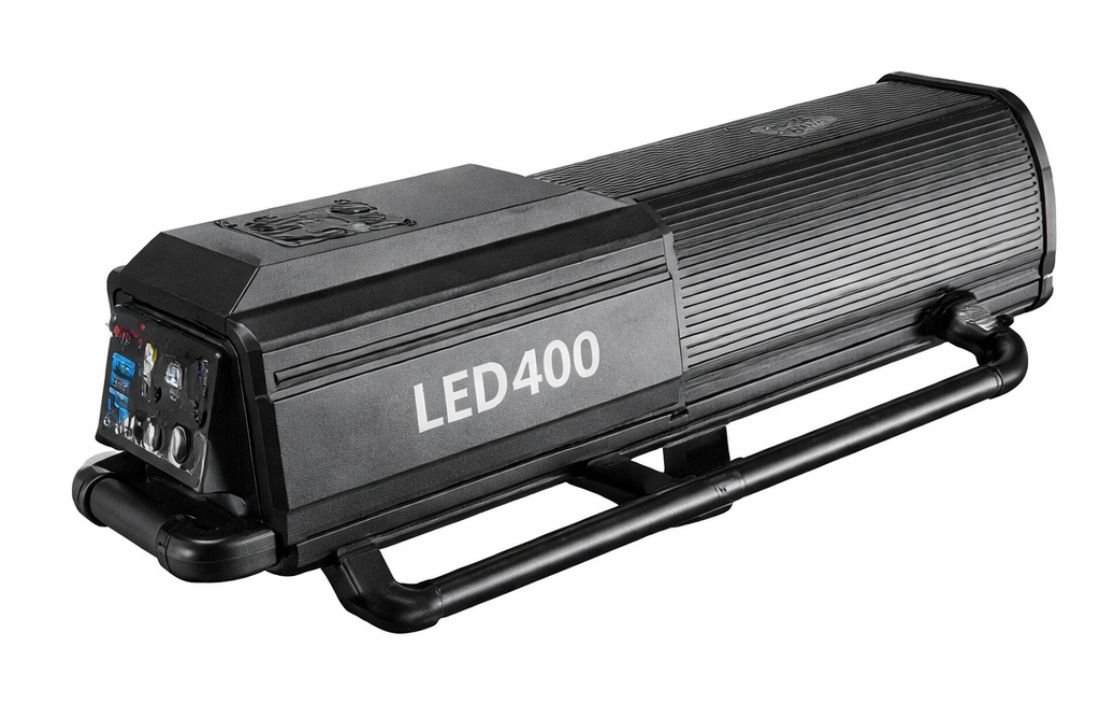
Spotlights are essential for focusing attention on specific performers or areas of the stage. A stage spot light is particularly useful in highlighting key moments, such as a singer’s solo performance, a speaker on stage, or a couple during a wedding ceremony.
These lights provide high-intensity illumination with adjustable focus, allowing precise targeting without affecting the rest of the scene. Spotlights can be manually operated or automated, depending on the complexity of the event.
In addition to visibility, spotlights add dramatic emphasis, helping to create contrast and depth within the lighting design. When used effectively, they ensure that the audience’s attention is always directed where it matters most.
Choosing the Right Lighting Equipment
Selecting the appropriate lighting equipment depends on several factors, including event type, venue size, and desired effects.
- Event Type: Concerts may require dynamic lighting, while weddings often need softer tones.
- Venue Size: Larger venues require more powerful fixtures and wider coverage.
- Control Systems: Advanced controllers allow synchronized lighting effects and automation.
- Energy Efficiency: LED lighting is preferred for its low power consumption and long lifespan.
It is also important to consider durability and ease of installation. Professional-grade lighting equipment ensures reliability and consistent performance, especially for large-scale events.
Future Trends in Stage Lighting Technology
The stage lighting industry continues to evolve with new technologies that enhance creativity and efficiency.
- LED Advancements: Brighter and more energy-efficient fixtures with improved color accuracy.
- Smart Lighting Systems: Integration with software for automated and synchronized effects.
- Wireless Control: Reduces the need for complex wiring and simplifies setup.
- Customizable Effects: Greater flexibility in creating unique lighting designs.
Manufacturers are focusing on innovation to meet the growing demand for high-quality lighting solutions in entertainment and event production. For more detailed insights and advanced lighting solutions, exploring specialized platforms like xmlitelighting.com can provide valuable information on the latest products and technologies.
Conclusion
Stage lighting is an essential component of any successful event, influencing both the visual experience and emotional impact. From dynamic moving lights to focused spotlights, each element plays a vital role in creating an engaging and memorable atmosphere.
By understanding different lighting types, their functions, and how to use them effectively, event organizers and designers can elevate the quality of their productions. As technology continues to advance, stage lighting will offer even more creative possibilities, making it an exciting and evolving field within the entertainment industry.
Whether for weddings, parties, or large-scale performances, investing in the right lighting solutions ensures that every moment is perfectly illuminated and unforgettable.