
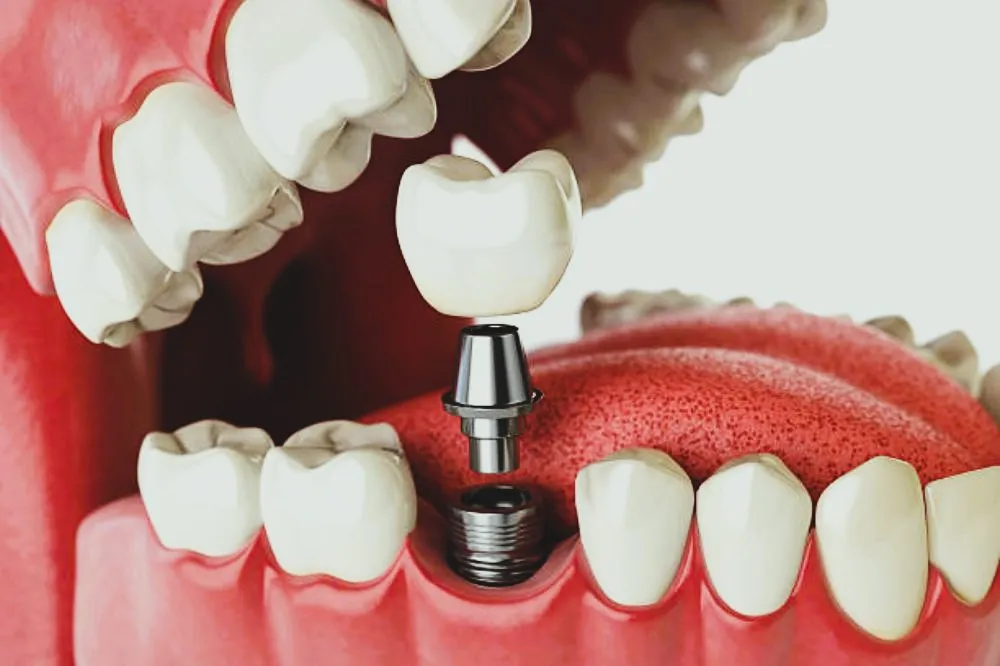
Making the decision to restore your smile with dental implants is a significant step towards improved oral health and confidence. For patients considering this treatment in the North East, understanding the recovery timeline is essential for proper planning and peace of mind. The recovery process after dental implant surgery is often more straightforward than many people expect, but it does require patience and proper care. This comprehensive guide explains everything patients need to know about healing times, what to expect at each stage, and how to ensure the best possible outcome.
Understanding the Dental Implant Recovery Journey
The recovery time after receiving Dental Implants Newcastle varies from person to person, depending on several factors including overall health, bone quality, and the complexity of the procedure. Generally speaking, the complete healing process can be divided into two distinct phases: the initial soft tissue healing and the longer process of bone integration.
At Denmark Street Dental Practice, located conveniently at 2 Denmark Street, Gateshead, NE8 1NQ, patients receive expert care throughout their implant journey. The practice has been placing dental implants for over 30 years and has successfully placed over 4,000 implants during this time. This wealth of experience means patients seeking Dental Implants Newcastle can feel confident they are in capable hands.
The Two-Stage Healing Process
Phase One: Soft Tissue Healing (1-2 Weeks)
The initial recovery period focuses on the healing of gum tissue around the implant site. During the first 24 to 48 hours after surgery, patients typically experience some mild to moderate discomfort, swelling, and minor bleeding. This is perfectly normal and part of the body’s natural healing response.
Most patients find that any pain or discomfort can be effectively managed with prescribed or over-the-counter pain relief medications. Swelling usually peaks within the first two to three days and then begins to subside. By the end of the first week, most of the swelling and tenderness should have significantly decreased.
During this initial phase, it is important to:
- Stick to soft foods like soups, mashed potatoes, and yoghurt
- Use ice packs to minimise swelling
- Keep your head elevated when resting
- Rinse gently with salt water or prescribed antibacterial mouthwash
- Avoid brushing directly over the surgical site
Phase Two: Osseointegration (3-6 Months)
The second and longer phase of recovery involves osseointegration, which is the process where the implant post fuses with the jawbone. This critical stage typically takes between three to six months. During this time, the bone grows around the titanium implant, creating a stable and durable foundation for the final tooth restoration.
For patients receiving Dental Implants Newcastle, this healing period is essential for long-term success. The implant needs this time to become securely anchored in the jawbone, ensuring it can withstand the forces of chewing and biting just like a natural tooth.
Research shows that healing times can vary depending on the location of the implant. The average healing period is approximately 70 days in the lower jaw (mandible) and around 90 days in the upper jaw (maxilla). This is why treatment plans are always personalised to each patient’s specific circumstances.
The Step-by-Step Recovery Timeline
Day of Surgery
On the day of your procedure, the implant post is surgically placed into the jawbone under local anaesthesia. The practice’s experienced team ensures patient comfort throughout, and those who are particularly nervous can discuss their concerns beforehand.
After surgery, patients are provided with detailed aftercare instructions. It is normal to experience some numbness from the anaesthetic, which gradually wears off over a few hours.
Days 1-3: The Immediate Post-Operative Period
The first few days after surgery are when patients typically experience the most discomfort. Swelling often peaks during this window. Patients are advised to rest, apply ice packs to the outside of the face, and eat only soft or liquid foods.
Many patients return to their normal routine within a short period, finding that any discomfort is manageable with simple painkillers. Those with desk jobs can often return to work within two to three days, while those in physically demanding roles may need up to a week of rest.
Days 4-7: Steady Improvement
By the end of the first week, most patients notice significant improvement. Swelling continues to subside, and any bruising begins to fade. Patients can start gently brushing around the implant site with a very soft toothbrush.
A temporary crown or denture may have been fitted at the same time as the implant placement, which stays in place until the final restoration appointment. This allows patients to maintain aesthetics and basic function during the healing period.
Weeks 2-4: Returning to Normal Activities
During this period, the gum tissue continues to heal, and patients can gradually reintroduce more solid foods into their diet. However, it remains important to avoid chewing directly on the implant site to prevent any disruption to the healing process.
Stitches or sutures may dissolve or be removed by the dental team during this time. Patients receiving Dental Implants Newcastle are supported throughout this phase with regular check-ups to monitor progress.
Months 1-6: The Osseointegration Phase
This extended period is when the implant fuses with the jawbone. Patients can generally resume most normal activities, but should avoid habits like teeth grinding or chewing hard foods that could interfere with implant stability.
The dental team at Denmark Street Dental Practice emphasises the importance of motivation and commitment during this healing period. While the wait may seem long, the results are well worth the effort.
Final Restoration Appointment
Once osseointegration is complete, usually after three to six months, patients return for the final stage of treatment. An abutment is attached to the implant post, and a custom-made crown is securely fixed in place. This final restoration is carefully colour-matched to blend seamlessly with natural teeth.
Factors That Can Affect Recovery Time
Bone Quality and Quantity
The strength and volume of the jawbone are vital factors in determining recovery time. Patients with high bone quality typically experience smoother healing. Those with insufficient bone may require additional procedures such as bone grafting, which can extend the overall treatment timeline.
Overall Health
General health plays a significant role in healing. Patients with good overall health typically recover more quickly. Certain medical conditions, such as uncontrolled diabetes, osteoporosis, or active gum disease, may affect suitability for implants and can impact healing times.
Lifestyle Habits
Smoking and certain dietary choices can significantly impact the healing process and long-term stability of the implant. Patients are encouraged to avoid smoking during the recovery period to promote optimal healing.
Number of Implants
The complexity of the procedure naturally affects recovery time. Patients receiving multiple implants or full-arch restorations such as All-on-4 may require additional healing time before resuming normal activities.
Tips for a Smooth Recovery
Follow Aftercare Instructions
The team at Denmark Street Dental Practice provides specific post-operative care instructions tailored to each patient’s needs. Following these guidelines closely is the best way to ensure a smooth recovery and successful outcome.
Maintain Good Oral Hygiene
Keeping the mouth clean is essential for preventing infection and promoting healing. Patients should brush natural teeth twice daily with a soft-bristled toothbrush and fluoride toothpaste. Flossing around the implant area and adjacent teeth helps remove plaque buildup.
Eat a Soft Diet
Sticking to soft foods during the initial healing period reduces stress on the surgical site. Soups, yoghurt, mashed vegetables, and smoothies are excellent choices that provide necessary nutrition without causing discomfort.
Stay Hydrated
Drinking plenty of water supports the body’s natural healing processes. Patients should avoid using straws, as the suction action can disrupt the surgical site.
Attend Follow-Up Appointments
Regular check-ups allow the dental team to monitor healing progress and address any concerns promptly. For patients receiving Dental Implants Newcastle, these appointments are an integral part of the treatment journey.
What to Expect in Terms of Discomfort
Many patients worry about pain associated with dental implant surgery. However, modern techniques and effective pain management mean that most patients find the experience far more comfortable than they anticipated.
Mild to moderate discomfort is normal in the first few days after surgery, but this typically subsides quickly. Any pain can usually be managed with simple over-the-counter painkillers. The practice’s experienced team ensures that patients are well-prepared and supported throughout their recovery.
Long-Term Success and Aftercare
Once the implant has fully healed and the final restoration is in place, patients can enjoy the benefits of their new smile for many years to come. With proper care, dental implants can last 20 to 30 years or even a lifetime.
Regular hygiene visits and check-ups are essential for maintaining the health of the implant and surrounding tissues. The team at Denmark Street Dental Practice provides ongoing support to ensure the longevity of each restoration.
Why Choose Denmark Street Dental Practice for Dental Implants Newcastle
Denmark Street Dental Practice stands out as one of the North East’s leading dental practices for dental implants, periodontal treatment, endodontics, and prosthodontic treatment. The practice combines decades of experience with a patient-centred approach that prioritises comfort, communication, and clinical excellence.
The team has worked alongside world leaders in implant provision and has mentored numerous dentists beginning their implant journeys. This depth of expertise ensures that patients seeking Dental Implants Newcastle receive treatment of the highest standard.
The practice uses advanced technology, including CBCT scanning, for precise treatment planning. This commitment to modern techniques ensures accurate implant placement and predictable outcomes.
Taking the First Step
For anyone considering dental implants, the journey begins with a consultation. Denmark Street Dental Practice offers free consultations for missing teeth, allowing patients to explore their options and receive all the information they need before making a decision.
The practice serves patients across Newcastle, Gateshead, Tyne and Wear, Washington, and Sunderland. Its central location at 2 Denmark Street, Gateshead, NE8 1NQ, makes it easily accessible for those seeking expert implant care.
Final Words
The recovery time after Dental Implants Newcastle surgery completion typically involves an initial healing period of one to two weeks for soft tissue recovery, followed by a longer osseointegration phase of three to six months for the implant to fuse with the jawbone. While the complete process requires patience, the result is a permanent, natural-looking tooth replacement that can last a lifetime.
Patients can feel confident in choosing Denmark Street Dental Practice for their implant treatment. With over 30 years of experience, a specialist-led team, and a commitment to patient comfort and care, the practice provides the expertise and support needed for a successful implant journey.
To learn more about dental implants and whether they are the right solution for you, book a free consultation with the team at Denmark Street Dental Practice today. Take the first step towards restoring your smile and enjoying the confidence that comes with a complete, healthy set of teeth.

