
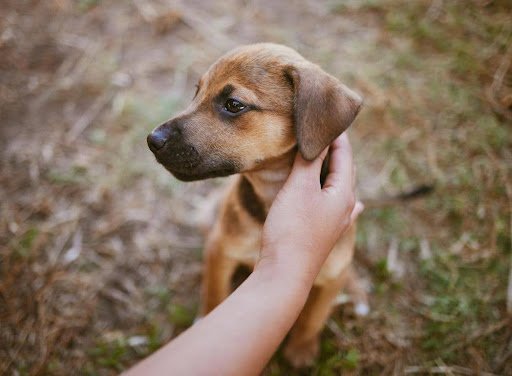
Bringing a rescue dog home is often described as a life-changing experience, but the story rarely begins on the sofa where the dog eventually curls up at the end of the day. It starts much earlier, often in circumstances marked by uncertainty, abandonment, neglect, or hardship. Every rescue dog carries a history, even when parts of that history remain unknown. Behind every wagging tail and every trusting glance lies a journey that deserves to be understood.
In Belfast, more people are choosing adoption to welcome a dog into their lives. Rather than purchasing a puppy, they are opening their homes to animals that need a second chance. This decision benefits not only the dog but also the adopter, who gains a loyal companion with a unique story and remarkable resilience. The path from shelter to family home is rarely identical for any two dogs, yet many share common experiences along the way.
When someone decides to adopt a dog in Belfast, the process is about much more than finding a pet. It is about creating a successful match between a dog and a family. Shelters understand that this relationship must work for everyone involved. The goal is not simply to complete an adoption but to ensure that the dog never experiences abandonment again. This careful approach helps transform rescue stories into lifelong partnerships built on trust, patience, and understanding.
Every rescue dog arrives with a different story
One of the realities of animal rescue is that shelters often lack a complete record of a dog’s history. Some dogs are surrendered by owners who provide detailed information. Others arrive as strays with no documented history at all. In many cases, the circumstances that led them to the shelter remain largely unknown.
What shelter staff do know is what happens after the dog enters their care. From that moment forward, every aspect of the animal’s condition, behaviour, medical needs, and emotional progress is carefully monitored and documented. This information becomes invaluable when the time comes to find a suitable home.
A rescue dog may arrive frightened, confused, underweight, or withdrawn. Another may appear energetic and social despite previous hardships. Some adapt quickly to shelter routines, while others require time and rehabilitation before they begin to trust people again. Every dog responds differently because every dog has lived a different life.
The role of the shelter is not only to provide food, veterinary care, and safety but also to understand each animal’s individual needs. Staff members observe behaviour, assess temperament, identify triggers, and help dogs build confidence. These observations help create a clearer picture of how the dog might adapt to life in a family home.
If you’re adopting a dog in Belfast, it’s important to understand the process. A rescue dog isn’t a blank canvas; he comes with past experiences that have influenced his personality. While these experiences can pose challenges, they also help create a special bond between the dog and his new family.
Finding the right match matters more than finding the first dog
When people decide to adopt a dog in Belfast, excitement often plays a significant role. Many imagine long walks, playful moments, and companionship. While these expectations are understandable, responsible shelters encourage adopters to think carefully about what type of dog truly fits their lifestyle.
Every home is different. Some people live in apartments with limited space. Others have large gardens where active dogs can exercise freely. Some families have young children, while others prefer a quieter environment. Work schedules, activity levels, and previous experience with dogs all influence which animal may be the best fit.
This is why adoption should never be rushed. Choosing a dog based solely on appearance can lead to difficulties later. A large, energetic dog may struggle in a small living space if his exercise needs are not met. A nervous dog may require patience and experience that some first-time owners have not yet developed.
Shelters work hard to guide adopters through this decision-making process. They ask questions, discuss expectations, and help people consider factors they may not have initially considered. This approach benefits everyone involved.
The goal is not simply to place dogs into homes quickly. It is to create successful, lasting matches that reduce the risk of future abandonment. Every failed adoption can be emotionally difficult for both the dog and the adopter. By taking the time to make thoughtful decisions, shelters increase the likelihood of a positive outcome. When someone chooses adoption, they are making a commitment that may last many years. Ensuring compatibility from the beginning helps build a strong foundation for that relationship.
The role of rehabilitation in preparing dogs for family life
Not every rescue dog arrives ready to step directly into a family environment. Some need medical treatment. Others require behavioural support or additional socialisation before they are prepared for adoption.
Rehabilitation can take many forms. A dog recovering from injury may need veterinary care and physical recovery. A fearful dog may need gradual exposure to positive experiences with people. Animals that have experienced neglect may require time to learn that food, comfort, and affection are consistently available.
Shelter staff invest enormous amounts of patience in this process. Progress often happens gradually. A dog who once avoided human contact may eventually seek attention. An anxious animal may begin exploring new environments with confidence. Small victories accumulate over time and prepare dogs for successful transitions into family homes.
These efforts are important because adoption is not simply about finding a home. It is about ensuring that the dog has the skills and confidence needed to thrive in that home. Rehabilitation helps bridge the gap between a difficult past and a hopeful future.
When adopters meet rescue dogs, they are often seeing the result of weeks or months of dedicated work behind the scenes. The friendly dog greeting visitors may have once been terrified. The playful companion may have arrived severely neglected. The calm dog relaxing during a meet-and-greet may have needed extensive support to reach that point. Understanding this journey helps adopters appreciate the resilience of rescue animals and the importance of the shelter’s role in preparing them for family life.
Asking questions creates stronger adoptions
One of the most valuable pieces of advice for prospective adopters is simple: ask questions. A responsible shelter welcomes curiosity because informed adopters are more likely to make successful decisions.
When someone is ready to adopt a dog in Belfast, shelter staff encourage open conversations about the animal’s history, personality, medical needs, and behaviour. They share everything they know, while also being honest about the limitations of that knowledge.
A shelter can provide detailed information about what happened after the dog arrived. Staff can explain rehabilitation efforts, describe daily routines, discuss interactions with people and other animals, and offer professional assessments based on observation. What they cannot always provide is a complete account of the dog’s life before rescue.
This honesty is important because it helps establish realistic expectations. Rescue dogs, like all dogs, are individuals. Some settle into new homes immediately. Others need time to adjust. Understanding potential challenges allows adopters to prepare appropriately.
Questions also help adopters evaluate whether a particular dog is suitable for their circumstances. Discussions about exercise needs, energy levels, training requirements, and behavioural tendencies can prevent misunderstandings later. Successful adoptions are built on communication. The more information shared between shelter staff and adopters, the greater the likelihood of a positive long-term outcome for everyone involved.
The adjustment period is where trust begins to grow
Bringing a rescue dog home marks the beginning of a new chapter, but adjustment does not happen overnight. Even dogs that appear confident at the shelter may need time to understand their new surroundings.
The transition from shelter life to a family home involves significant changes. New smells, new routines, unfamiliar people, different sleeping arrangements, and altered expectations all require adaptation. Some dogs explore enthusiastically. Others proceed cautiously, observing before fully engaging.
Patience plays a critical role during this stage. Rescue dogs often need time to learn that their new environment is safe and permanent. Consistent routines help build confidence. Predictable feeding schedules, regular walks, gentle interactions, and positive reinforcement create a sense of security.
Many adopters describe a gradual transformation during the first weeks and months. A shy dog begins seeking affection. A nervous dog starts playing. A cautious dog becomes more adventurous. Trust develops through everyday experiences rather than dramatic breakthroughs.
This period can be especially rewarding because adopters witness their dog’s personality emerging over time. Behaviours hidden by stress or uncertainty often begin to surface as confidence grows. The dog starts to reveal who he truly is. These moments strengthen the bond between dog and owner. They demonstrate that rescue is not only about providing shelter but also about offering stability, patience, and understanding.
From survival to belonging
Perhaps the most beautiful part of a rescue dog’s journey is the transition from survival to belonging. Before entering a shelter, many dogs spend their lives focused on immediate needs. Finding food, avoiding danger, coping with discomfort, and navigating uncertainty consume their attention.
Life changes dramatically once they find the right home. The daily struggle for survival is replaced by routine, comfort, and companionship. Instead of searching for safety, they begin expecting it. Instead of facing uncertainty, they learn what consistency feels like.
The image of a rescue dog sleeping peacefully on a family sofa may seem simple, yet it represents something profound. It symbolizes security. It reflects trust. It demonstrates the success of a journey that may have begun under difficult circumstances.
For adopters, these moments often carry special meaning. They understand that the dog beside them has overcome challenges. They know that every relaxed nap, every playful interaction, and every affectionate gesture reflects progress. The relationship becomes more than ownership; it becomes a partnership built on second chances.
Choosing to adopt a dog in Belfast from a responsible shelter means more than just getting a pet. It involves joining an ongoing story, helping to shape the next chapter in a dog’s life, and forming meaningful memories along the way.
Shelters work hard to ensure every rescue dog’s story ends happily. By carefully matching dogs and adopters, providing honest information, supporting rehabilitation, and encouraging thoughtful decisions, they help transform uncertainty into stability. The journey from shelter to sofa may begin with rescue, but its true destination is belonging, and for countless dogs and families, that destination is worth every step along the way.

