
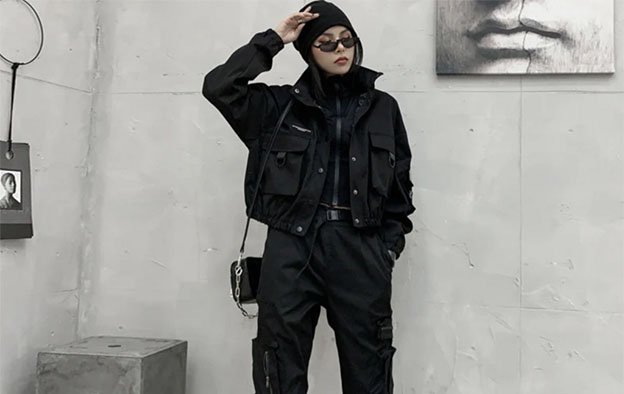
Personal style has always been a way to say something without speaking. The colors we choose, the silhouettes we wear, the accessories we add, and the fabrics we prefer all communicate a version of who we are. But in 2026, personal style is no longer shaped only by taste, culture, or trends. It is increasingly shaped by innovation.
Technology, new fabrics, digital culture, online shopping, wearable devices, and functional design are changing the way people dress. Style is becoming more practical, more expressive, and more connected to modern life. People no longer want clothes that simply look good in a mirror. They want clothes that move with them, adapt to their lifestyle, and reflect the fast-changing world around them.
This is why innovation and personal style now work together. The most interesting outfits are not always the loudest or most expensive. They are the ones that combine identity with function. Brands like Cyber-Techwear™ show how fashion can feel modern without losing individuality.
Innovation Changes What We Expect From Clothing
In the past, many people judged clothing mostly by appearance. Did it look elegant? Did it fit the trend? Did it match the occasion? Those questions still matter, but they are no longer enough.
Modern consumers expect more. They want pockets that make sense, fabrics that breathe, pants that allow movement, jackets that handle changing weather, and accessories that support daily life. Clothing has become more connected to performance, even when it is not sportswear.
Innovation has raised the standard. A good outfit should not only photograph well. It should survive a long day, a commute, a flight, a walk through the city, or a night out. This shift has changed personal style because people are learning to value usefulness as part of beauty.
The future of style is not about choosing between looking good and feeling prepared. It is about having both.
Personal Style Is Becoming More Functional
Function used to be seen as something separate from fashion. Practical clothing was often considered boring, while stylish clothing was often uncomfortable. That divide is disappearing.
Today, functional pieces can define an entire look. Cargo pants, crossbody bags, technical jackets, utility belts, breathable shirts, and futuristic sunglasses are not only useful. They also create attitude. They give the outfit structure and identity.
This is especially true in urban fashion. City life demands movement. People walk, travel, work remotely, carry devices, take public transport, and move between different environments in one day. Personal style has adapted to that reality.
A stylish person in 2026 is not someone who ignores practicality. It is someone who makes practicality look intentional.
Technology Has Made Style More Personal
Innovation has also changed how people discover fashion. Social media, AI recommendations, online stores, digital moodboards, and global shipping have made it easier to find niche styles. People are no longer limited to what is available in local shops.
This has made personal style more personal. Someone can explore cyberpunk fashion, Y2K aesthetics, techwear, minimalist streetwear, gothic style, or futuristic accessories from anywhere in the world. The internet has given people access to more visual languages than ever before.
Instead of following one mainstream trend, people now build wardrobes like curated identities. They mix references from music, gaming, travel, anime, architecture, nightlife, and digital culture. Innovation gives people more tools to express themselves.
The result is a fashion culture where originality matters more than perfection.
New Fabrics Are Changing Silhouettes
Fabric innovation has a direct effect on personal style. Lightweight technical materials, stretch blends, water-resistant textiles, breathable synthetics, and quick-dry fabrics allow designers to create clothes that were not possible in the same way before.
These fabrics change how clothing moves, drapes, and performs. A pair of pants can be loose but still structured. A jacket can be light but protective. A shirt can feel soft while still holding its shape. These details may seem small, but they change how people dress every day.
Modern silhouettes are becoming more relaxed because fabric technology allows them to be comfortable without looking sloppy. Oversized fashion, wide-leg pants, technical cargos, and utility-inspired pieces all benefit from better materials.
Innovation does not replace style. It expands what style can do.
Cargo Pants Show the Balance Between Utility and Identity
Few items represent the relationship between innovation and personal style better than cargo pants. Once seen mainly as military or workwear-inspired clothing, cargo pants have become a major part of modern streetwear, techwear, and everyday fashion.
The appeal is obvious. They are practical, comfortable, and visually strong. They offer storage, movement, and a clear silhouette. But they also communicate attitude. Cargo pants suggest independence, mobility, and readiness.
For women, cargos have become especially interesting because they challenge older ideas about feminine fashion. They can be styled with cropped tops, oversized jackets, fitted tanks, sneakers, boots, or futuristic accessories. They can look relaxed, powerful, sporty, or elevated depending on the outfit.
That is why women’s cargo pants styling feels so relevant now. It reflects a broader shift toward clothing that supports movement while still expressing personality.
Digital Culture Has Made Fashion More Experimental
Innovation is not only about materials and construction. It is also about culture. Gaming, social media, AI art, virtual avatars, and online communities have made people more experimental with how they dress.
People are used to seeing exaggerated silhouettes, cyber-inspired outfits, futuristic armor, digital skins, and character-based styling online. Those visuals influence real-world fashion. A person may not dress exactly like a video game character, but they may borrow the mood: dark colors, technical details, metallic accessories, oversized proportions, or bold eyewear.
This has made personal style more imaginative. Fashion is no longer just about dressing for the office, the street, or the party. It is also about dressing for the version of yourself you want to project online and offline.
Innovation Gives Confidence
One of the most overlooked parts of innovative fashion is the psychological effect. Clothes that work well make people feel more confident. When your outfit is comfortable, practical, and aligned with your identity, you move differently.
A jacket with the right structure can make you feel sharper. Pants with useful pockets can make you feel more prepared. Breathable fabrics can make you feel calmer in heat. A futuristic accessory can make a simple outfit feel more expressive.
This is where innovation becomes emotional. It is not only about technology for its own sake. It is about how better design changes the way people experience their day.
Good clothing reduces friction. It removes small annoyances. It allows you to focus on living instead of constantly adjusting your outfit.
The Best Style Still Needs Human Taste
Even with all this innovation, personal style cannot be automated. Technology can suggest products, improve fabrics, and speed up trends, but taste still comes from the individual.
The best outfits are not created by blindly following every new trend. They come from understanding what fits your body, lifestyle, mood, and identity. Innovation gives you more choices, but you still decide what feels authentic.
This is why personal style remains human. It is emotional, cultural, and intuitive. A technically advanced jacket means nothing if it does not feel like you. A trendy piece means little if you never feel confident wearing it.
Innovation is most powerful when it supports personal expression instead of replacing it.
Final Thoughts
The relationship between innovation and personal style is becoming stronger every year. Technology is changing fabrics, shopping, design, accessories, and the way trends move. At the same time, people are using these innovations to build wardrobes that feel more functional, expressive, and personal.
Modern style is not only about beauty. It is about movement, comfort, identity, and adaptation. The clothes people choose now reflect how they live in a fast, digital, urban world.
The future of fashion will belong to people who know how to combine both: the practicality of better design and the emotion of self-expression.