
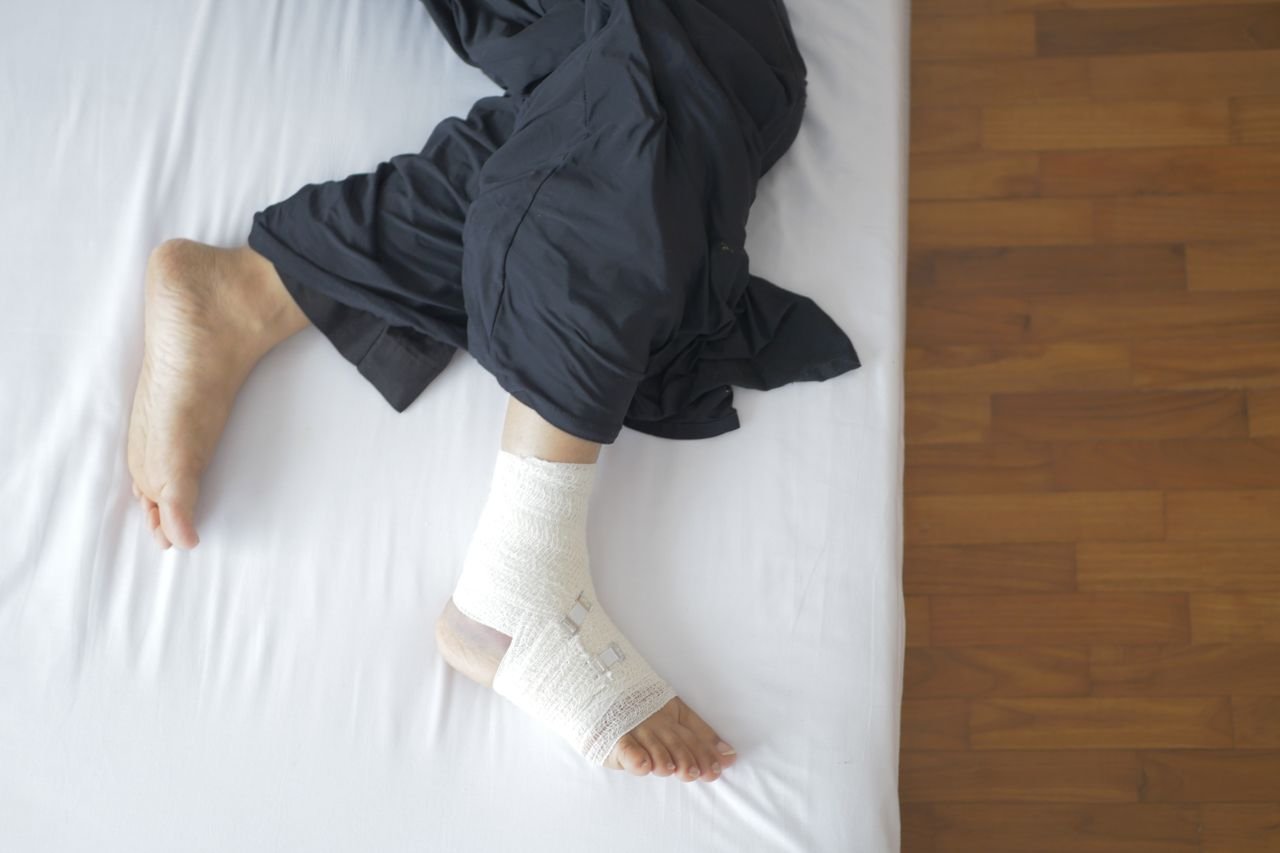
Fractures and sprains are common injuries that can happen during sports, exercise, falls, road accidents, workplace incidents, or simple everyday movements. A fracture refers to a break or crack in a bone, while a sprain refers to stretching or tearing of a ligament, which is the tissue that connects one bone to another at a joint.
At first, it may not always be easy to tell whether an injury is a fracture, sprain, or strain. Pain, swelling, bruising and difficulty moving the injured area can happen in all three. However, some symptoms should prompt medical assessment because delayed treatment may affect healing, joint stability and long-term function.
What Is a Fracture?
A fracture is a break, crack, or disruption in a bone. Fractures can range from small cracks to complete breaks where the bone moves out of position. Some fractures are obvious after a fall or accident, while others may be more subtle and only confirmed through imaging.
Fractures may happen due to:
- Falls
- Sports injuries
- Road accidents
- Direct impact
- Twisting injuries
- Repetitive stress
- Weak bones due to osteoporosis
- High-impact trauma
Common fracture sites include the wrist, ankle, foot, hip, collarbone, shoulder, fingers, toes and spine.
What Is a Sprain?
A sprain occurs when a ligament is stretched or torn. Ligaments help stabilise joints, so sprains often happen when a joint twists, rolls, or moves beyond its normal range.
Sprains commonly affect the:
- Ankle
- Knee
- Wrist
- Thumb
- Shoulder
- Foot
Sprains can be mild, moderate, or severe depending on how much the ligament is damaged. A mild sprain may improve with rest and rehabilitation, while a severe sprain may cause joint instability and may need specialist assessment.
Fracture vs Sprain: How Are They Different?
A fracture affects the bone. A sprain affects the ligament around a joint. However, the symptoms can overlap, especially in the first few hours after injury.
A fracture may cause:
- Severe pain
- Swelling
- Bruising
- Deformity
- Difficulty moving the injured area
- Inability to bear weight
- Pain directly over the bone
- A grinding or cracking sensation at the time of injury
- Numbness or coldness in severe cases
A sprain may cause:
- Joint pain
- Swelling
- Bruising
- Tenderness around the joint
- Pain when moving the joint
- Instability or giving way
- Difficulty bearing weight
- Stiffness
Because symptoms can be similar, imaging such as an X-ray may be needed to confirm whether a fracture is present.
What About Strains?
A strain is different from a sprain. A strain affects muscles or tendons, which connect muscles to bones. Strains often happen when a muscle is overstretched, overloaded, or suddenly pulled.
Strain symptoms may include:
- Muscle pain
- Spasm
- Weakness
- Swelling
- Bruising
- Pain during movement
- Reduced flexibility
Although this article focuses on fractures and sprains, strains can also require medical review if symptoms are severe, persistent, or associated with weakness.
When Should You Visit an Orthopaedic Clinic?
You should consider visiting an orthopaedic clinic if pain, swelling, bruising, weakness, or reduced movement persists after an injury, or if you are unsure whether the injury is a fracture or sprain.
Orthopaedic review may be helpful if you have:
- Severe pain
- Significant swelling
- Large bruising
- Difficulty bearing weight
- Difficulty moving the joint
- Pain that does not improve after a few days
- Pain that worsens instead of improving
- Joint instability
- Repeated sprains
- Deformity or unusual shape
- Numbness or tingling
- Injury after a fall, collision, or accident
- Pain in an older adult after a fall
- Previous injury in the same area
- Sports injury affecting return to activity
An orthopaedic clinic can assess the injury, arrange imaging where needed and guide treatment to support proper healing.
Symptoms That Need Urgent Medical Care
Some symptoms should not wait for a routine clinic appointment.
Seek urgent medical care if there is:
- Obvious deformity
- Bone visibly protruding through the skin
- Severe pain after injury
- Inability to put weight on the limb
- Numbness, tingling, or loss of sensation
- The injured area feels cold, pale, or blue
- Severe swelling that worsens quickly
- Heavy bleeding
- Open wound over the injured area
- Suspected hip fracture after a fall
- Pain with fainting or dizziness after trauma
- Injury with head, neck, or spine symptoms
- Loss of movement in the injured limb
- Signs of infection after an open injury
These symptoms may suggest a serious fracture, dislocation, nerve injury, blood vessel injury, or other urgent problem.
Why You Should Not Ignore a Possible Fracture
A fracture that is not treated properly may heal in the wrong position, take longer to heal, or cause ongoing pain and stiffness. A fracture involving a joint may also increase the risk of long-term joint problems if alignment is affected.
Possible complications of delayed fracture treatment include:
- Poor bone alignment
- Delayed healing
- Non-healing fracture
- Chronic pain
- Joint stiffness
- Reduced range of motion
- Weakness
- Nerve or blood vessel problems
- Post-traumatic arthritis in selected cases
- Need for more complex treatment later
If there is any doubt after an injury, it is safer to seek assessment.
Why Sprains Still Need Proper Care
Some sprains may seem minor at first but can lead to ongoing instability if not treated properly. This is especially common in ankle sprains, knee ligament injuries and wrist ligament injuries.
A sprain may need review if:
- Swelling is significant
- Bruising spreads
- The joint feels unstable
- Pain persists beyond a few days
- You cannot return to walking or normal movement
- The joint repeatedly gives way
- You have repeated sprains in the same area
- Pain is located over the bone
- You cannot bear weight
Proper rehabilitation is important because ligaments support joint stability. Without adequate recovery, some patients may develop repeated injury or chronic instability.
Common Injuries That May Need Orthopaedic Assessment
1. Ankle Injuries
Ankle injuries are commonly caused by twisting or rolling the ankle. While many are sprains, some involve fractures or cartilage injuries.
Visit a doctor if you have:
- Inability to bear weight
- Severe swelling
- Bruising around the ankle or foot
- Pain over the ankle bones
- Deformity
- Numbness
- Repeated ankle sprains
- Pain that does not improve after a few days
An X-ray may be needed to rule out fracture.
2. Wrist Injuries
Wrist injuries often happen after falling onto an outstretched hand. Some wrist fractures can be mistaken for sprains.
Seek medical review if there is:
- Pain after a fall
- Swelling around the wrist
- Difficulty gripping
- Pain near the base of the thumb
- Deformity
- Persistent tenderness
- Numbness or tingling
- Reduced wrist movement
Certain wrist fractures may not be obvious immediately, so persistent pain should be assessed.
3. Knee Injuries
Knee injuries may involve ligaments, meniscus, cartilage, tendons, or bone.
Orthopaedic review may be needed if there is:
- Knee swelling soon after injury
- Popping sound at the time of injury
- Knee giving way
- Locking or catching
- Inability to fully straighten the knee
- Severe pain when walking
- Pain after twisting injury
- Recurrent instability
Some knee injuries, such as ACL tears or meniscus tears, may need imaging and a rehabilitation or surgical plan.
4. Shoulder Injuries
Shoulder injuries may occur after falls, collisions, dislocations, or lifting injuries.
Seek review if there is:
- Shoulder deformity
- Inability to lift the arm
- Severe pain after a fall
- Repeated dislocation
- Weakness
- Numbness down the arm
- Persistent night pain
- Pain that limits daily tasks
Shoulder injuries may involve fractures, dislocations, rotator cuff tears, or ligament injuries.
5. Foot and Toe Injuries
Foot and toe injuries may seem minor, but fractures can affect walking and alignment.
Medical review may be needed if there is:
- Difficulty walking
- Severe swelling
- Bruising across the foot
- Pain over a specific bone
- Deformity of the toe or foot
- Open wound
- Numbness
- Pain that does not improve
Stress fractures may also occur gradually from repeated loading, especially in active individuals.
6. Hip Injuries After a Fall
Hip pain after a fall, especially in older adults, should be assessed promptly. Hip fractures may cause severe pain, inability to stand, leg shortening, or the leg turning outward. In some cases, symptoms may be less obvious at first.
Seek urgent medical care if an older adult has:
- Hip pain after a fall
- Inability to stand or walk
- Groin pain
- Leg shortening or rotation
- Severe pain with movement
- New difficulty bearing weight
Hip fractures usually need prompt medical assessment and treatment planning.
First Aid After a Suspected Fracture or Sprain
While waiting for medical review, basic first aid may help reduce discomfort and prevent further injury.
You can consider:
- Resting the injured area
- Avoiding weight-bearing if painful
- Applying ice wrapped in a cloth
- Using compression if advised and not too tight
- Elevating the injured limb
- Removing tight jewellery or footwear before swelling worsens
- Supporting the injured area with a sling or splint if needed
- Avoiding massage over a suspected fracture
- Avoiding heat in the early phase of swelling
- Seeking help if pain is severe or symptoms worsen
Do not try to force a deformed limb or joint back into place.
How an Orthopaedic Clinic Assesses Fractures and Sprains
An orthopaedic specialist will usually ask how the injury happened, where the pain is located, whether you heard a pop or crack and whether you can bear weight or move the joint.
Assessment may include:
- Medical history
- Physical examination
- Range of motion testing
- Tenderness assessment
- Stability testing where appropriate
- Nerve and circulation check
- X-ray
- MRI in selected cases
- CT scan in selected cases
- Ultrasound in selected soft tissue injuries
Not every injury needs advanced imaging. The doctor will recommend tests based on symptoms and examination findings.
Why X-Rays May Be Needed
X-rays are commonly used to check for fractures. They may show whether a bone is broken, displaced, or involving a joint surface.
An X-ray may be recommended if there is:
- Bone tenderness
- Inability to bear weight
- Deformity
- Significant swelling
- High-impact injury
- Pain after a fall
- Persistent pain despite rest
- Injury in an older adult
- Concern about joint involvement
If the X-ray is normal but symptoms persist, further imaging may be considered.
Treatment for Fractures
Fracture treatment depends on the bone involved, fracture type, alignment, stability, age, health status and activity needs.
Treatment may include:
- Splint
- Cast
- Brace
- Sling
- Walking boot
- Crutches
- Pain medication
- Restricted weight-bearing
- Follow-up X-rays
- Physiotherapy after healing
- Surgery in selected cases
Surgery may be considered if the fracture is displaced, unstable, open, involves a joint, affects blood supply, or is unlikely to heal properly without fixation.
Treatment for Sprains
Sprain treatment depends on the severity of ligament injury and the joint involved.
Treatment may include:
- Rest
- Ice
- Compression
- Elevation
- Pain relief medication where suitable
- Brace or support
- Temporary use of crutches
- Physiotherapy
- Balance and strengthening exercises
- Gradual return to activity
- Surgery in selected severe ligament injuries
A rehabilitation plan is important, especially for moderate or severe sprains, athletes, or people with repeated injuries.
Recovery After Fractures and Sprains
Recovery time varies depending on the injury, severity and treatment required. Mild sprains may improve within days to weeks, while more severe sprains may take longer. Fractures may take weeks to months to heal depending on the bone and fracture type.
Recovery may involve:
- Pain and swelling control
- Protecting the injured area
- Gradual movement
- Strengthening exercises
- Physiotherapy
- Follow-up imaging where needed
- Return-to-work planning
- Return-to-sport guidance
- Prevention of repeat injury
Patients should avoid returning too early to sports or heavy activity because this may increase the risk of reinjury.
When Can You Return to Sports or Exercise?
Return to sports should be guided by symptoms, strength, movement, balance and the doctor or physiotherapist’s advice.
Before returning, patients should usually be able to:
- Move the joint comfortably
- Bear weight without significant pain
- Regain strength
- Perform sport-specific movements
- Maintain balance and control
- Avoid swelling after activity
- Complete rehabilitation milestones
A slow return is often safer than rushing back too soon.
Fractures and sprains can look similar at first, but they affect different structures. A fracture is a break or crack in a bone, while a sprain is an injury to a ligament around a joint. Both can cause pain, swelling, bruising and difficulty moving the injured area.
You should visit an orthopaedic clinic if pain is severe, swelling is significant, weight-bearing is difficult, the joint feels unstable, symptoms are not improving, or you are unsure whether a fracture is present. Urgent care is needed for obvious deformity, open wounds, numbness, coldness, severe swelling, inability to move the limb, or suspected hip fracture after a fall.
Proper diagnosis and treatment can help support healing, reduce the risk of long-term pain or instability and guide a safe return to daily activities, work and exercise.
FAQ
How can I tell if it is a fracture or a sprain?
It can be difficult to tell without medical assessment. Both may cause pain, swelling and bruising. Severe pain, deformity, bone tenderness, inability to bear weight, or symptoms after a fall may suggest the need for an X-ray.
When should I visit an orthopaedic clinic after an injury?
Visit an orthopaedic clinic if pain is severe, swelling is significant, symptoms persist, you cannot bear weight, the joint feels unstable, or you are unsure whether the injury is a fracture or sprain.
Do all fractures need surgery?
No. Some fractures heal with a cast, splint, brace, boot, or sling. Surgery may be needed if the fracture is displaced, unstable, open, involves a joint, or is unlikely to heal well without fixation.
Can a sprain heal on its own?
Mild sprains may improve with rest, protection and gradual rehabilitation. Moderate or severe sprains may need medical review, bracing, physiotherapy, or further treatment.
Should I get an X-ray for a sprain?
An X-ray may be recommended if there is bone tenderness, significant swelling, inability to bear weight, deformity, high-impact injury, or persistent pain.
What should I do immediately after a sprain or suspected fracture?
Rest the injured area, avoid weight-bearing if painful, apply ice wrapped in a cloth, elevate the limb and seek medical assessment if symptoms are severe or concerning.
This article is for general information only and should not replace medical advice from a qualified healthcare professional.

