
Introduction
Learning CPR and First Aid is one of the most useful things you can do for your community and for your own peace of mind. Emergencies happen without warning. When someone chokes, stops breathing, or gets hurt, knowing how to act quickly can make all the difference. This guide will help you understand what CPR and First Aid training covers, why certification matters, and how to prepare for your course. The right training helps you feel confident, calm, and ready to help when it matters most.
This article breaks down the basics so you know what to expect in CPR and First Aid training. You will also learn how certification works and how these skills can be used in everyday life. Whether you want training for work, school, or just to be prepared, this guide will point you in the right direction.
What CPR and First Aid Training Teaches
CPR stands for cardiopulmonary resuscitation. It helps someone whose heart has stopped or who is not breathing. First Aid focuses on caring for injuries until professional help arrives. In training, you will learn:
- How to recognize emergencies
- When and how to begin CPR
- How to treat cuts, burns, and sprains
- How to respond if someone is choking
- How to protect yourself while helping others
These skills are simple but powerful. When practiced regularly, they become second nature in real life.
Why Certification Matters
Certification shows that you have completed structured training and demonstrated your skills. Many jobs and volunteer programs require certification before you can start. Certification also gives confidence to your employer, coworkers, and family. You can find programs that help you learn and get certified, such as this CPR and First Aid training: https://cprcertificationnow.com/products/cpr-first-aid-certification. Choosing a trusted certification program ensures your test is accepted for work or recreation.
Who Should Get Certified
Getting certified is useful for many people, including:
- Parents and caregivers
- Teachers and school staff
- Coaches and camp leaders
- Babysitters and home health aides
- Office workers and community volunteers
Emergencies can happen anywhere. If you spend time with children, older adults, or large groups of people, these skills can help you keep others safe.
How the Training Is Structured
Most CPR and First Aid courses are clear and easy to follow. Training includes:
Instructional Videos
- Step by step demonstrations
- Slow motion to show key points
Hands On Practice
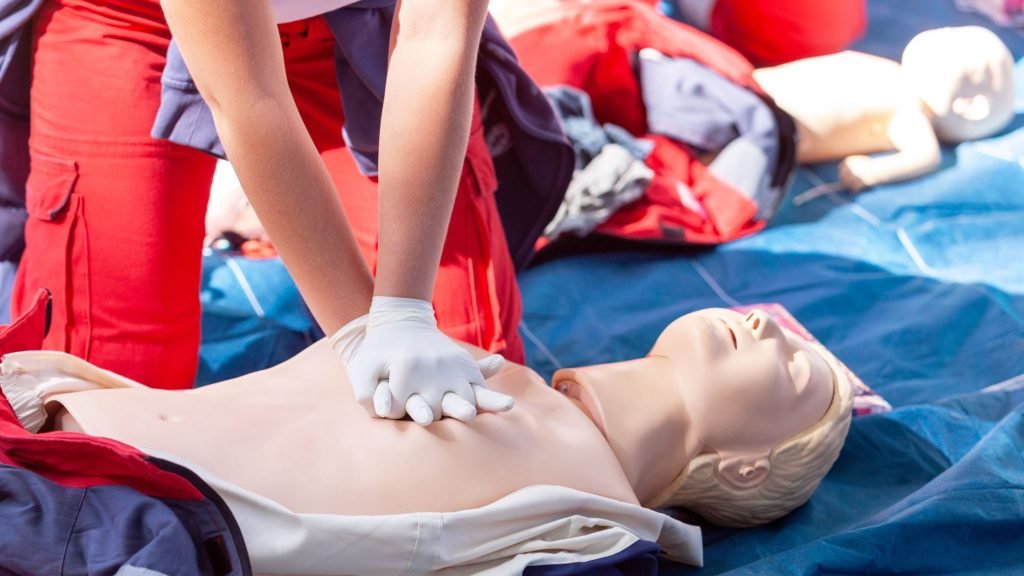
- Practicing CPR on manikins
- Using simulated tools for First Aid
Quizzes or Checks
- Short questions to check your understanding
- Practice scenarios for real situations
Training is designed to build confidence. You learn at your own pace, and instructors help you feel ready for the skills test.
Key CPR Skills You Will Learn
CPR is useful when someone’s heart has stopped or they are not breathing. In training you will practice:
- How to check responsiveness
- How to call for emergency help
- Where to place your hands for chest compressions
- How to keep a steady rhythm
- When to give rescue breaths
These steps keep blood and oxygen moving through the body until advanced help arrives. Practicing with manikins helps you build muscle memory, so you act without hesitation in real situations.
Important First Aid Skills to Master
First Aid training focuses on common injuries and urgent needs. You will learn how to:
- Clean and bandage a cut or scrape
- Wrap an injured wrist or ankle
- Treat burns safely
- Help someone who is choking
- Care for someone in shock
You also learn how to use basic First Aid supplies like bandages, gloves, and antiseptics. Knowing how to respond quickly helps reduce pain and prevent further injury.
Recognizing an Emergency Situation
Part of your training teaches you how to recognize signs that someone needs help. This includes:
- Sudden collapse
- Trouble breathing or no breathing
- Severe bleeding
- Uncontrolled pain
- Changes in skin color
Early recognition is essential. When you know what to look for, you can start care right away. This can improve the person’s chance of recovery.
Practicing Hands On Skills
Hands on practice is one of the best ways to learn. Practice helps your body remember the steps so they feel natural. For example:
- Practicing chest compressions on a manikin
- Using gloves and protective gear
- Applying bandages in the right way
The more you practice, the more confident and calm you will feel in an emergency.
Working with Others in an Emergency
Emergencies often involve more than one helper. Training teaches you how to:
- Communicate clearly with others
- Assign roles quickly
- Alert emergency services
- Share information with responders when help arrives
Good communication helps reduce confusion and makes the response more effective.
Preparing for the Final Skills Check
Before you earn your certificate, you will complete a skills check or assessment. This usually involves:
- Showing your ability to perform CPR correctly
- Demonstrating First Aid treatment steps
- Answering simple questions about what you learned
Instructors give feedback and make sure you understand each step. The goal is to make sure you can act correctly and confidently.
What Your Certificate Means
After passing the final assessment, you receive a certificate that shows you completed certified CPR and First Aid training. You can use this certificate for:
- Job requirements
- School or volunteer programs
- Workplace safety records
- Personal confidence
Your certificate shows others that you know how to help in emergencies.
How Often Should You Refresh Your Skills?
Skills can fade over time. Most programs recommend refreshing your training every few years. This helps you stay up to date with guidelines and retain key steps. Keeping your skills current helps you respond quickly and correctly when needed.
To stay sharp you can:
- Review videos or manuals
- Practice skills with friends or classmates
- Take short refresher courses
Regular review builds confidence and keeps your knowledge fresh.
Common Questions People Ask
Here are answers to questions many learners have:
- Can anyone take this training?
Yes. Courses are designed for people of all experience levels. - Do I need special equipment at home?
No. Training tools are usually provided during class. - How long does certification last?
Most certificates are valid for a set period and then need renewal. - Is the training hard?
Training is clear and supportive so most learners feel ready by the end.
Real Life Importance of CPR and First Aid
Emergencies can happen anywhere. Some real life moments where these skills matter include:
- Someone collapsing at work or school
- A child choking during lunch
- A family member getting burned
- A friend having trouble breathing
In each situation, early care can protect life and reduce harm. Knowing CPR and First Aid helps you act with calm and purpose.
Staying Ready and Confident
Learning these skills builds confidence. When you practice often, your hands and mind remember the steps. This means when a real emergency happens:
- You recognize signs quickly
- You act without fear
- You help until advanced help arrives
Confidence comes from preparation. The more you learn and review, the more ready you feel.
Conclusion
CPR and First Aid certification gives you knowledge and skills that can make a real difference in emergencies. Whether you are preparing for a job, a volunteer role, or personal peace of mind, these skills help you act with confidence and care. Training teaches clear steps like chest compressions, rescue breathing, bandaging, and how to use basic supplies safely.

