
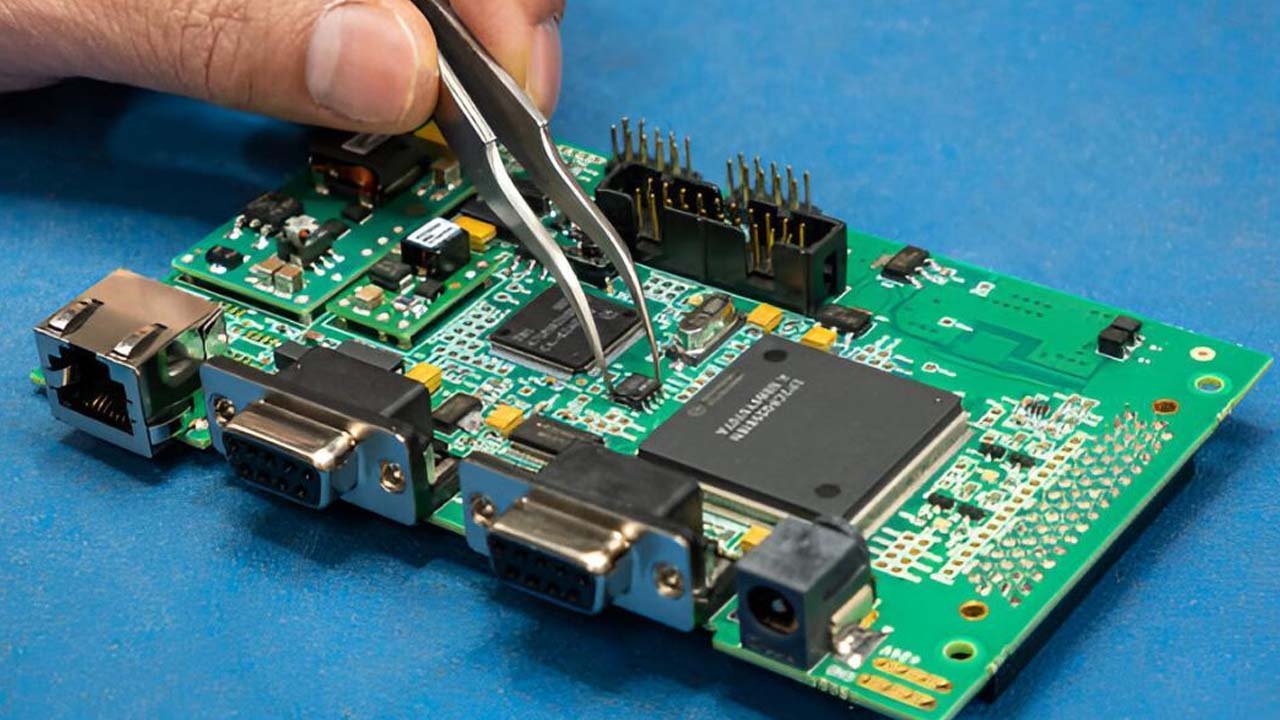
Sustainability has become a major priority across nearly every industry, and electronics manufacturing is no exception. As global demand for electronic products continues to rise, so does concern about environmental impact, material waste, and energy consumption. Manufacturers are now expected not only to deliver high-performance products but also to do so responsibly.
For many companies, meeting sustainability goals while maintaining production efficiency can be challenging. This is where turnkey PCB assembly plays an increasingly important role. By integrating sourcing, fabrication, assembly, and testing into a single, optimized process, turnkey PCB assembly helps reduce waste, improve resource efficiency, and support environmentally responsible manufacturing practices.
Why Sustainability Matters in Electronics Manufacturing
Electronic products rely on complex materials, including metals, plastics, and chemical substances. Poor manufacturing practices can result in excessive waste, high energy usage, and environmental harm.
Sustainability in electronics manufacturing focuses on:
- Reducing material waste
- Improving energy efficiency
- Using compliant and safer materials
- Minimizing rework and scrap
- Supporting long-term environmental responsibility
Companies that fail to address these concerns risk regulatory issues, reputational damage, and loss of trust among environmentally conscious customers.
Environmental Challenges in Traditional PCB Manufacturing
Traditional PCB manufacturing models often involve multiple suppliers handling different stages of production. While this approach may appear flexible, it can increase environmental impact in several ways:
- Duplicate transportation between suppliers
- Excess material waste due to miscommunication
- Rework caused by quality inconsistencies
- Poor control over material sourcing
- Limited visibility into environmental practices
When production is fragmented, it becomes difficult to track and reduce environmental impact effectively.
How Turnkey PCB Assembly Promotes Sustainability
Turnkey PCB assembly centralizes manufacturing responsibility, allowing environmental considerations to be built directly into the production process. Instead of treating sustainability as an afterthought, it becomes part of the overall workflow.
This integrated approach helps manufacturers:
- Reduce unnecessary material handling
- Improve production efficiency
- Minimize waste across stages
- Apply consistent environmental standards
By optimizing each step of production, turnkey PCB assembly supports more responsible manufacturing outcomes.
Efficient Material Usage and Waste Reduction
One of the most significant environmental benefits of turnkey PCB assembly is improved material efficiency. When sourcing, fabrication, and assembly are coordinated, material usage can be planned more accurately.
Benefits include:
- Reduced excess inventory
- Lower scrap rates
- Fewer rejected boards
- Better panelization efficiency
Design reviews performed early in the process help identify opportunities to reduce material waste before production begins.
Reducing Rework and Environmental Impact
Rework is one of the biggest contributors to waste in electronics manufacturing. Defective boards not only increase costs but also consume additional materials and energy.
Turnkey PCB assembly reduces rework by:
- Applying consistent quality control
- Detecting issues early through inspection
- Ensuring compatibility between components and design
Fewer defects mean less waste, lower energy consumption, and a smaller environmental footprint.
Energy Efficiency Through Process Integration
Energy usage is another major concern in electronics manufacturing. Fragmented production models often result in repeated setup, testing, and transportation—all of which consume energy.
Turnkey PCB assembly improves energy efficiency by:
- Streamlining production workflows
- Reducing unnecessary process repetition
- Minimizing transportation between suppliers
Integrated operations allow manufacturers to optimize energy usage across the entire production cycle.
Compliance with Environmental Regulations
Environmental regulations governing electronics manufacturing continue to evolve. Companies must ensure that materials and processes comply with applicable standards.
Turnkey PCB assembly providers manage sourcing and production with regulatory compliance in mind. This helps ensure that materials meet environmental requirements and that manufacturing processes follow accepted guidelines.
A reliable provider offering Turnkey PCB Assembly Services helps businesses meet environmental expectations without disrupting production.
Sustainable Component Sourcing
Component sourcing plays a critical role in sustainability. Using non-compliant or low-quality components can lead to failures, recalls, and increased waste.
Turnkey PCB assembly providers source components through verified suppliers and prioritize consistency and reliability. This approach supports sustainability by:
- Reducing the risk of defective parts
- Minimizing production waste
- Supporting long-term product reliability
Reliable sourcing also reduces the need for frequent redesigns, which can generate additional waste.
Supporting Long-Term Product Lifespan
Sustainability is not only about manufacturing—it also includes how long products remain functional. Products that fail early contribute to electronic waste.
Turnkey PCB assembly supports longer product lifespan by:
- Maintaining consistent quality standards
- Ensuring reliable assembly practices
- Reducing defects that cause early failure
Longer-lasting products help reduce the overall environmental impact of electronics.
Transportation and Logistics Optimization
Transportation between multiple suppliers increases fuel consumption and carbon emissions. Fragmented manufacturing models often require components and boards to travel long distances between vendors.
Turnkey PCB assembly reduces transportation needs by consolidating production stages. Fewer shipments mean:
- Lower fuel usage
- Reduced emissions
- Improved delivery efficiency
This consolidation supports greener supply chain practices.
Sustainability Benefits for Growing Companies
Startups and growing brands often struggle to implement sustainable manufacturing due to limited resources. Turnkey PCB assembly simplifies this challenge by embedding sustainable practices into standard production workflows.
This allows smaller companies to:
- Meet environmental expectations
- Reduce waste without extra complexity
- Align sustainability goals with production efficiency
Companies using Turnkey PCB Assembly Services can adopt responsible manufacturing practices without sacrificing speed or quality.
Balancing Sustainability and Cost Efficiency
A common misconception is that sustainable manufacturing always costs more. In reality, waste reduction, energy efficiency, and process optimization often lead to cost savings.
Turnkey PCB assembly helps balance sustainability and cost by:
- Reducing rework expenses
- Improving material utilization
- Streamlining production timelines
Efficient processes benefit both the environment and the bottom line.
Industry Demand for Environmentally Responsible Manufacturing
Customers, investors, and partners increasingly expect companies to demonstrate environmental responsibility. Sustainable manufacturing practices can strengthen brand reputation and improve market positioning.
Industries such as consumer electronics, industrial equipment, and IoT devices are particularly influenced by sustainability expectations. Turnkey PCB assembly provides a structured way to meet these demands.
Manufacturing Expertise Behind Sustainable Practices
Manufacturers like globalwellpcba.com focus on integrating efficiency, quality, and environmental responsibility into their PCB assembly workflows. By aligning engineering expertise with structured production processes, they help clients reduce waste and support sustainable manufacturing goals.
Long-Term Environmental Impact Reduction
Sustainability is a long-term commitment, not a one-time effort. Turnkey PCB assembly supports continuous improvement by maintaining consistent processes and documentation.
Over time, this approach helps companies:
- Track environmental performance
- Identify improvement opportunities
- Maintain compliance with evolving standards
This ongoing focus supports responsible growth.
Final Thoughts
Sustainable electronics manufacturing requires more than good intentions—it demands structured processes, efficient resource usage, and consistent quality control. Turnkey PCB assembly provides a practical framework for achieving these goals.
By reducing waste, improving energy efficiency, optimizing sourcing, and supporting long-lasting products, turnkey PCB assembly helps manufacturers balance performance with environmental responsibility.
For companies committed to building reliable products while minimizing environmental impact, turnkey PCB assembly represents a forward-thinking and responsible manufacturing strategy.

