
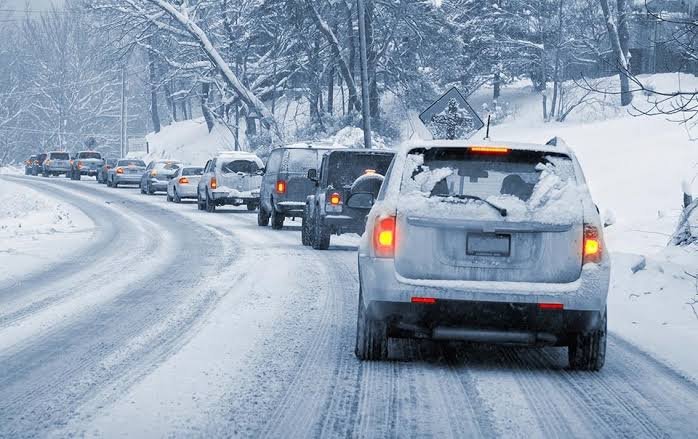
Ottawa winters are not forgiving to unprepared vehicles. The capital regularly records temperatures below minus 20 Celsius from December through February, and the combination of ice, snow, and sharp temperature swings stresses vehicles in ways that do not happen in milder climates. This guide covers what to do before winter arrives and what to keep in your car if something goes wrong.
Switch to Winter Tires Before December
Dedicated winter tires with the mountain snowflake symbol perform significantly better than all-seasons on ice and compacted snow at temperatures below 7 Celsius. The rubber compound in all-season tires hardens in the cold and loses grip. Quebec requires winter tires by law from December 1 to March 15, so Ottawa drivers who commute into Gatineau must meet that standard.
Book your winter tire swap appointment in October. Shops in Ottawa book up quickly in November and you do not want to be driving on all-seasons through the first major snowfall while waiting for an available slot.
Test Your Battery Before the Cold Hits
Car batteries lose a significant portion of their cranking power in cold weather. A battery at full strength in October can fail by January. Most auto shops in Ottawa will test your battery for a small fee or for free. If the battery is more than 4 years old and showing reduced capacity, replace it before the first deep freeze.
Ontario Towing responds to more battery boost calls between November and February than at any other time of year. Cold snaps that arrive overnight in Ottawa, particularly the ones that bring sustained temperatures below minus 25, catch a lot of drivers with batteries they thought were fine.
Keep an Emergency Kit in the Vehicle
A basic emergency kit for Ottawa winter driving should include jumper cables or a portable jump starter, a windshield scraper and brush, a small shovel, a bag of sand or kitty litter for traction, a blanket, a flashlight, and a phone charging cable. If you drive rural roads west or south of Ottawa, add an extra set of warm clothes and some water.
This kit costs under $100 and takes up very little space in the trunk. It earns its place the first time you or someone near you needs it.
Check Your Four-Wheel Drive and AWD Systems
If your vehicle has four-wheel drive or all-wheel drive, test the system before winter. Drive to an empty parking lot and engage it. Make sure the transfer case shifts properly and that no warning lights appear. Fluid leaks in AWD systems are common in older vehicles and get worse in cold weather. If the system is not working correctly, address it before you need it on the Queensway in a January storm.
Understand How Ottawa Roads Are Treated
The City of Ottawa uses a combination of salt, sand, and brine to treat roads in winter. Major arterials like Baseline Road, Carling Avenue, and Hunt Club Road are treated first. Residential streets in areas like Alta Vista, Barrhaven, and Kanata take longer. Bank Street, the Transitway, and provincial highways are treated by different agencies on different schedules. Knowing this helps you plan routes during and immediately after a storm.
What to Do if You Get Stuck
If your vehicle is stuck in snow, avoid spinning the tires. Spinning digs you deeper. Clear snow from around the wheels and place sand or kitty litter under the drive wheels for traction. Try rocking the vehicle gently between drive and reverse. If you cannot get free on your own, Ontario Towing provides winch and extraction services across Ottawa. Call (613) 619-4545 and describe your situation. Drivers get stuck in snowbanks, ditches, and parking lots throughout Ottawa every winter and extraction is a routine service the company handles daily.

