
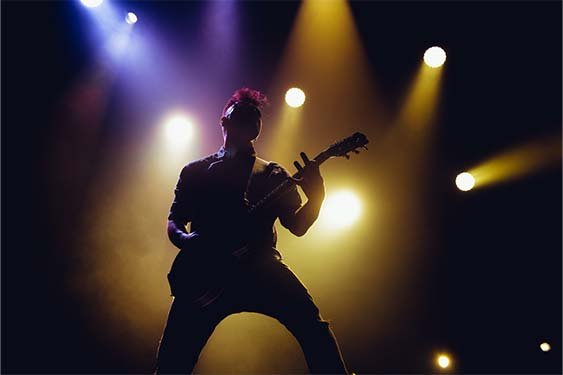
The Genesis Of Punk Music: Breaking The Mold
Before punk music became a recognizable force, it was a raw, untamed beast brewing in the underground. This wasn’t about polished performances or complex song structures. It was a reaction, a loud and messy one, against the bloated rock scene of the early 70s. Bands started stripping things down, focusing on energy and attitude over technical skill. It was a DIY spirit taking hold, proving that anyone with a guitar and something to say could make a racket.
The Ramones: Stripping Rock To Its Essentials
These guys from Queens, New York, are often pointed to as the godfathers of punk. They took rock and roll, kicked out everything that wasn’t absolutely necessary, and left you with pure, unadulterated speed and noise. Think short songs, simple chords, and a relentless beat. Their stripped-down approach showed that you didn’t need fancy solos to make an impact. It was about raw power and a sound that was both simple and incredibly effective.
The Sex Pistols: Social Disruption Through Sound
Over in the UK, the Sex Pistols were doing something a bit different, but just as revolutionary. They weren’t just playing music; they were creating chaos. Their sound was aggressive, their lyrics were provocative, and their whole attitude was a middle finger to the establishment. They proved that punk music could be a vehicle for social commentary and outright rebellion, shaking up the UK’s music scene and beyond.
The Clash: Expanding The Punk Palette
The Clash took the raw energy of punk and started mixing things up. While they had the same anti-establishment fire as the Sex Pistols, they weren’t afraid to bring in other sounds. Reggae, ska, and even a bit of rockabilly found their way into their music. This showed that punk wasn’t a dead end; it could evolve and incorporate different styles while still holding onto its core message of social awareness and raw power.
Punk was never just about the music itself. It was a whole attitude, a way of looking at the world and saying, ‘This isn’t good enough.’ It was about taking control when it felt like no one else was listening.
Here’s a look at some of the key elements that defined this early era:
- Speed: Songs were often incredibly fast, leaving little room for error or overthinking.
- Simplicity: Three chords and a strong beat were often all that was needed.
- Attitude: A defiant, anti-establishment stance was paramount.
- DIY Ethos: The idea that anyone could do it themselves, from making music to creating art and fanzines.
Hardcore Punk: The DIY Revolution
By the early 1980s, punk had already made its mark, but the next wave of bands took things to a whole new level. This era, often called hardcore punk, wasn’t just about faster tempos and louder guitars, though it certainly had those. It was a full-blown embrace of the Do-It-Yourself (DIY) ethos, a philosophy that permeated every aspect of the scene. Bands weren’t waiting for record labels or radio play; they were making their own records, booking their own shows, and distributing their own music through a network of independent labels and fanzines. This created a vibrant, if sometimes chaotic, underground culture that was fiercely independent and deeply personal.
Bad Brains: Speed And Technical Prowess
Emerging from Washington D.C., Bad Brains were a force of nature. They blended lightning-fast playing with incredible musical skill, something not always associated with punk’s raw simplicity. Their shows were legendary for their intensity, and their music, while undeniably hardcore, showed a level of musicianship that set them apart. They proved that speed and technical ability could coexist with punk’s aggressive spirit.
Black Flag: The Gritty Sound Of The Road
Black Flag became the quintessential road warriors of hardcore. Their music was raw, often bleak, and reflected the constant touring and struggles of life on the move. With a revolving door of vocalists and a relentless touring schedule, they built a reputation for their intense live performances and their uncompromising sound. Their DIY approach meant they handled everything themselves, from booking gigs in dive bars to releasing their own records, creating a sound that was as gritty and unpolished as the American landscape they traversed.
Minor Threat: Straight Edge And Rebellion
Minor Threat, also from D.C., brought a different kind of intensity to hardcore. Led by Ian MacKaye, they became synonymous with the Straight Edge movement, a personal code of abstinence from drugs, alcohol, and promiscuous sex. This wasn’t about being boring; it was a conscious choice to rebel against the excesses and self-destructive tendencies that had begun to plague parts of the punk scene. Their music was sharp, fast, and direct, delivering anthems of defiance and self-control that resonated with a generation looking for a different path.
Here’s a look at some key aspects of the hardcore DIY movement:
- Independent Labels: Bands formed their own labels (like Dischord Records by Bad Brains and Minor Threat members) to release their music without relying on major companies.
- Fanzines: Self-published magazines, often photocopied and stapled, were crucial for spreading news, reviews, and interviews within the underground scene.
- House Shows and Small Venues: Gigs were frequently held in basements, community centers, or small clubs, creating an intimate and energetic atmosphere.
- Record Swapping and Mail Order: Music was shared and sold directly between fans and bands, bypassing traditional retail channels.
The hardcore scene of the 1980s was a testament to the power of self-sufficiency. It showed that you didn’t need a big budget or industry backing to create impactful music and build a community. It was about passion, persistence, and a belief in your own voice.
The Pop-Punk Explosion: Mainstream Appeal
By the 1990s, punk rock bands had found a way to take their raw energy and inject it into the mainstream. It wasn’t about being the loudest or the fastest anymore; it was about catchy melodies and lyrics that spoke to a generation feeling a bit lost in the suburbs. This era saw punk shed some of its more abrasive edges, trading them for a sound that was both accessible and undeniably energetic. Suddenly, punk wasn’t just for the underground anymore; it was on MTV, in movie soundtracks, and blasting from car stereos everywhere.
Green Day: The MTV Generation’s Anthem
Green Day really blew the doors open with their album Dookie. It was like a shot of adrenaline straight into the heart of pop culture. Their songs were short, punchy, and full of that youthful angst and rebellion that defined being a teenager in the 90s. They proved that punk could be fun, relatable, and still have that rebellious spirit. It was the sound of suburban kids finally finding their voice.
Blink-182: Humor and High-Energy Hooks
If Green Day brought the anthems, Blink-182 brought the party. They added a heavy dose of humor and incredibly catchy hooks to the pop-punk formula. Their music was all about fast tempos, singalong choruses, and lyrics that often poked fun at themselves and the absurdity of growing up. They made punk feel lighthearted and incredibly fun, connecting with millions who just wanted to have a good time.
Bridging The Gap: Bad Religion & NOFX
While Green Day and Blink-182 were dominating the charts, bands like Bad Religion and NOFX were already masters at blending punk’s speed and attitude with more melodic sensibilities. Bad Religion, with their intelligent lyrics and soaring harmonies, showed that punk could be thoughtful and complex. NOFX, on the other hand, perfected a fast, witty, and often sarcastic take on the genre. These punk rock bands demonstrated that you didn’t have to choose between being smart and being catchy.
Here’s a look at how these bands impacted the charts:
| Band | Key Album (Pop-Punk Era) | Chart Peak (Billboard 200) | Year |
| Green Day | Dookie | 13 | 1994 |
| Blink-182 | Enema of the State | 9 | 1999 |
| Bad Religion | Stranger Than Fiction | 67 | 1994 |
| NOFX | Punk in Drublic | N/A (Independent) | 1994 |
This period showed that punk rock bands could evolve and reach a massive audience without completely losing their edge. It was a balancing act, but one that redefined what mainstream music could sound like.
Modern Punk: Evolution And Diversity
Punk music, man, it never really stood still, did it? Even after all the initial chaos and the big explosion in the 90s, bands kept pushing the envelope. The 2000s and beyond saw punk morph and blend into all sorts of new sounds. It’s not just one thing anymore. You’ve got bands taking punk’s energy and mixing it with hip-hop, electronic music, or even straight-up pop, creating something totally fresh.
The New Guard: Blending Genres
This new wave of punk artists isn’t afraid to experiment. They grew up with punk but also soaked in everything else that was out there. So, you get these really interesting combinations. Think about bands that might have the fast, aggressive guitars of hardcore but then throw in some synths or a really catchy, almost R&B-like vocal melody. It’s like they took the punk spirit of doing whatever you want and applied it to the music itself.
Digital Platforms And The DIY Spirit
Remember how punk started with zines and basement shows? Well, that DIY attitude found a whole new home online. With the internet, bands can record music in their bedrooms and put it straight onto streaming services or social media. They don’t need a big record label to get heard anymore. This makes it easier for new bands to pop up and connect directly with fans, keeping that independent spirit alive and kicking.
Voices Of The Marginalized
One of the coolest things about modern punk is how it’s become a platform for people who might have been overlooked before. You’re seeing more bands fronted by women, people of color, and LGBTQ+ artists, singing about their experiences. They’re taking the punk tradition of speaking truth to power and applying it to issues that matter to them, making the scene way more inclusive and powerful.
Punk’s evolution shows it’s not just about loud guitars and ripped jeans anymore. It’s about a mindset: questioning things, being yourself, and making your own way, no matter what. The music keeps changing, but that core idea stays the same.
Here’s a look at how some of these modern punk elements shake out:
- Genre Fusion: Bands actively mix punk with other styles like hip-hop, electronic, ska, and indie rock.
- Online Presence: Social media and streaming are key for promotion, fan engagement, and even selling merch.
- Diverse Perspectives: More artists from underrepresented groups are leading bands and sharing their unique stories.
- Independent Labels: Many bands still choose smaller, independent labels or self-release their music.
It’s pretty wild to see how far punk has come, but at its heart, it’s still that same rebellious energy, just in new packages.
Punk’s Visual Language: Fashion As Warfare
Punk wasn’t just about the noise; it was a whole look, a statement that screamed defiance. Forget the fancy clothes and the polished image. Punk fashion was a deliberate middle finger to the mainstream, a way to say “we’re not playing your game.” It was about taking what you had, ripping it up, and making it your own. This wasn’t about looking good; it was about looking real and making a point.
Anti-Fashion And Consumer Rejection
Think about it: the music was raw, the lyrics were angry, so why would the clothes be anything less? Punk bands and their fans looked at the glossy magazines and the expensive trends and said, “No thanks.” They took cheap clothes, old clothes, anything they could get their hands on, and made them into something new. Safety pins weren’t just for holding things together; they were decorations. Ripped t-shirts weren’t mistakes; they were statements against buying new stuff all the time. It was a way to show you didn’t care about fitting in or spending a fortune. It was about being different, even if “different” meant looking a bit rough around the edges.
The DIY Aesthetic: Individuality Through Imperfection
This whole “Do It Yourself” thing wasn’t just for making music. It was for everything. If you wanted a cool jacket, you didn’t go to a store; you decorated one yourself. You might have used markers, patches, studs, or even just duct tape. The point was that it was yours. It showed your personality, your interests, maybe even your political views. Imperfection was part of the charm. A frayed hem or a safety pin holding a tear together wasn’t a flaw; it was a badge of honor. It meant you were active, you were living, and you weren’t afraid to show it. It was a rejection of the perfect, mass-produced look that society pushed.
Bands Defining The Look
Some bands really nailed this visual thing. The Ramones, with their simple leather jackets, jeans, and t-shirts, looked like a uniform for rebels. They made it look cool and accessible. Then you had bands like The Clash, who mixed political messages with a street-smart style, often using bold graphics that matched their music. On the West Coast, Black Flag had this stark, minimalist logo that just screamed intensity, mirroring their fast, hard sound. These bands weren’t just playing music; they were creating a whole package, a visual identity that was as important as the songs themselves. They showed everyone that punk was more than just a sound; it was a whole way of life, and it looked like nothing else out there.
Punk fashion was a direct response to a world that felt too polished and fake. It was about taking control, making your own rules, and showing the world that you didn’t need their approval to be heard or seen. It was a visual rebellion, as loud and as impactful as the music itself.
The Ripped Canvas: Punk’s Artistic Revolution
Punk wasn’t just about loud guitars and ripped jeans, though there was plenty of that. It was also a visual explosion, a whole different way of looking at the world and making stuff. When you’re on the outside, with no money and no interest in playing by the rules, you get creative. That’s where punk art came in. It was all about doing it yourself and sticking it to the mainstream.
Poster Power and Zine Dreams
Before the internet, if you wanted to spread the word about a show or just share your thoughts, you made a zine. These were like the original blogs, but way more hands-on. People would cut out pictures from magazines, paste them together, write stuff by hand, and then run off copies at the local copy shop. It was messy, it was loud, and it was totally ours. Flyers for shows were similar – often collages of ripped-up images and bold, blocky text. It wasn’t about looking pretty; it was about grabbing attention and getting the message out there.
The whole point was that anyone could do it. You didn’t need a fancy art degree or a big publisher. If you had something to say and a Xerox machine, you were in business. This DIY spirit is what made punk art so real and so powerful.
Graphic Design and DIY Ethos
Think about some of the most famous punk album covers. They often looked like they were made from ransom notes, with letters cut out of different magazines. This wasn’t just a cheap trick; it was a statement. It looked raw, urgent, and a little bit dangerous. Bands like the Sex Pistols really nailed this look. It showed that you didn’t need slick production to make something iconic. The visual language of punk was all about being direct and unfiltered.
Here’s a look at some common elements:
- Collage and Cut-Up: Taking existing images and text and rearranging them to create something new and often jarring.
- Handwritten Text: Showing a personal touch and rejecting sterile, printed fonts.
- Bold, Simple Graphics: Easy to reproduce and immediately impactful, like Black Flag’s famous bars.
- Photocopy Aesthetic: Embracing the grainy, imperfect look of photocopied materials.
The Museum’s Visual Legacy
Now, where do you go to see all this amazing stuff? Well, The Punk Rock Museum in Las Vegas is basically a shrine to all of it. They’ve got walls covered in original flyers, zines, and album artwork. You can see the actual tools and materials people used to create this stuff. It’s not just about looking at pretty pictures; it’s about understanding the effort and the attitude that went into making them. They really get that punk art was as important as the music itself. It was all part of the same rebellion.
Frequently Asked Questions
What exactly is punk music?
Punk music is a type of rock music that started in the 1970s. It’s known for being fast, loud, and often a bit messy. Bands usually play simple songs with just a few chords. The lyrics often talk about problems in society or just being angry about things. It’s all about energy and not worrying too much about being perfect.
Who were some of the first important punk bands?
Some of the very first bands that really got punk going were The Ramones from New York, who made music super simple and fast. Then there were The Sex Pistols in England, who were known for being shocking and rebellious. The Clash also came from England and mixed punk with other music styles like reggae, while also singing about important social issues.
What does ‘DIY’ mean in punk music?
DIY stands for ‘Do It Yourself.’ In punk, it means that anyone can make music, art, or start a band without needing a big company or a lot of money. It’s about being creative and independent, making your own flyers, putting on your own shows, and not waiting for permission.
How did punk fashion change things?
Punk fashion was a way for people to show they didn’t agree with the normal way of doing things. People wore ripped clothes, safety pins, leather jackets, and sometimes dyed their hair crazy colors. It was about looking different and not caring about looking ‘pretty’ or like everyone else. It was a way to express yourself and say you were part of the punk scene.
Is punk music still around today?
Yes, punk music is definitely still around! It has changed a lot over the years, and many new bands mix punk with other kinds of music. There are still bands playing fast and loud, but others have found new ways to express themselves using the punk spirit. The idea of being independent and speaking your mind is still a big part of it.
What’s the difference between punk and hardcore punk?
Hardcore punk is a faster and often angrier version of punk music that became popular in the 1980s. While early punk was fast, hardcore took that speed to another level. Bands like Bad Brains and Black Flag were known for their intense, super-fast songs and often more aggressive sound. It was also very focused on the DIY idea.

