
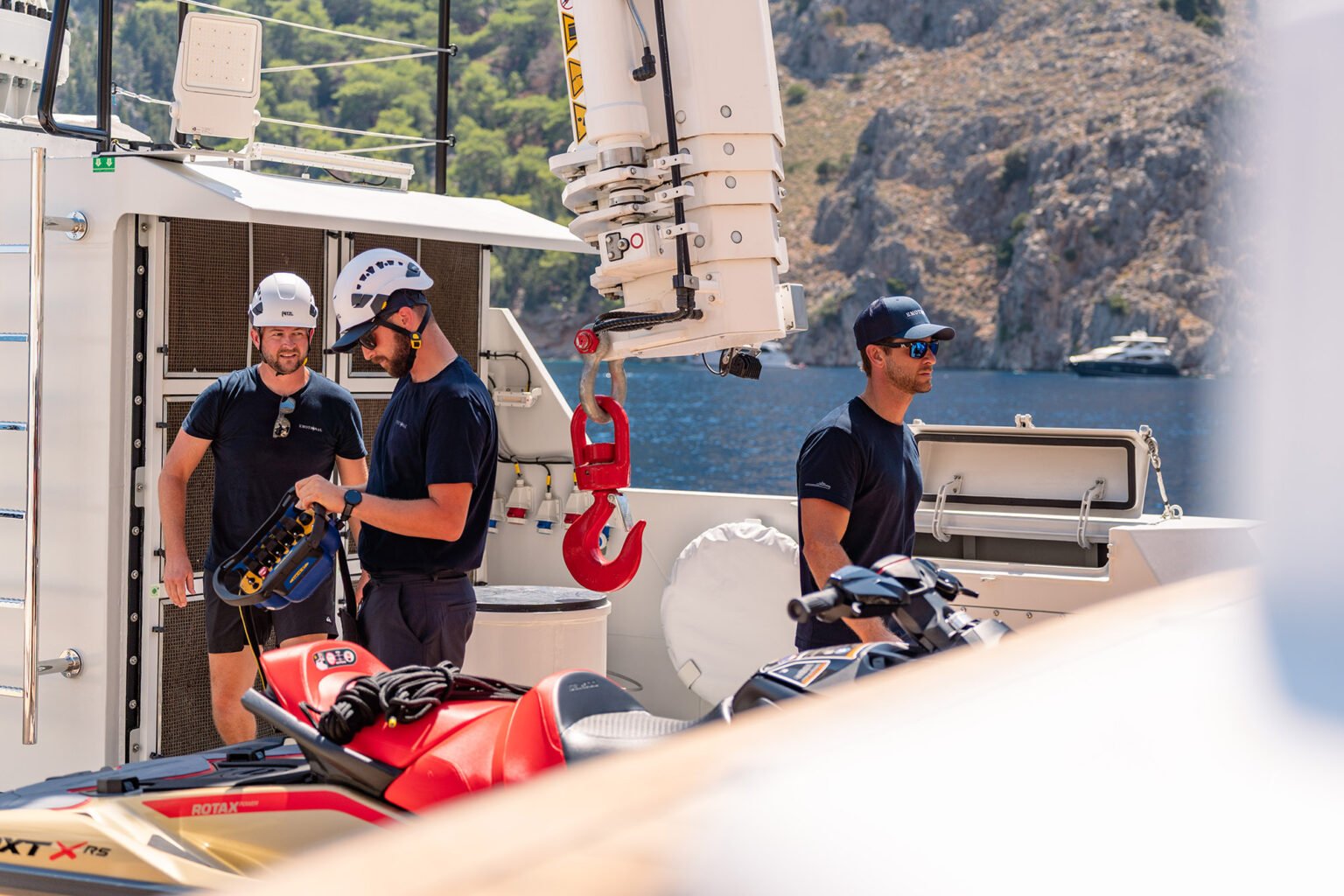
Owning a superyacht is so much more than a lifestyle choice—it’s a significant financial investment and commitment. In addition to the initial purchasing costs, annual operational expenditure for most yachts tends to typically be approximately 10 percent of the yacht’s value. In today’s regulatory and economic climate, that figure can quickly escalate without proper oversight. The true financial risk of yacht ownership often lies not in visible expenses but in hidden inefficiencies, compliance failures, and reactive decision-making. For owners who have their own busy lives to oversee outside of their investment, this is exactly where professional yacht management becomes a must, a strategic safeguard instead of an administrative formality.
One of the ways that TWW Yachts approaches yacht management is as financial asset protection. Our integrated services cover all aspects of yacht management, from regulatory compliance to technical supervision to daily operational tasks and crew administration, as well as transparent accounting. By manning all bases, so to speak, we ensure that potential risks are identified and mitigated long before they become costly disruptions.
The first and often most underestimated risk when it comes to yacht management is regulatory non-compliance. All yachts and superyachts operate under complex international frameworks, including ISM, ISPS, and MLC regulations, in addition to flag state and port authority requirements. A lapse or gap in documentation, certification renewal, or safety procedure, no matter how short it may be, can result in port detention, charter cancellation, insurance complications, or financial penalties. In some cases, insurance providers may challenge claims where compliance gaps are identified. However, by having a yacht management team in place, like TWW Yachts, who actively monitors regulatory timelines, conducts internal audits, and liaises with flag administrations to make sure documentation remains current and defensible, these potential risks are mitigated. Our yacht management team maintains the compliance integrity of your yacht, so owners avoid fines, operational downtime, and negative reputational exposure.
The second financial vulnerability when it comes to yacht management lies in reactive technical management. Deferred maintenance and poor contractor oversight are among the leading causes of budget overruns in superyacht operations. An engine component that fails when out at sea does not simply incur the cost of replacement; it triggers emergency logistics, unplanned yard periods, and potential itinerary disruption. Industry studies consistently show that preventative maintenance significantly reduces lifecycle costs compared to corrective repairs. TWW Yachts’ yacht management services mitigate this risk through structured maintenance schedules, regular technical inspections, and trusted supplier networks. By forecasting refit cycles and negotiating shipyard contracts strategically, your yacht management team converts unpredictable technical expenses into planned capital expenditures. The result is improved asset longevity, stronger resale positioning, and reduced emergency spend.
Crew turnover presents a third hidden cost center when it comes to yacht management. Recruitment fees, travel arrangements, training periods, and administrative onboarding all contribute to rising operational expenses, especially when retention is poorly managed. High turnover can also affect the overall safety culture and service consistency onboard a yacht, particularly in charter programs. Structured payroll management, clear employment frameworks, and welfare oversight are therefore not soft considerations; they are financial stabilizers. Our yacht management services include dedicated crew administration, making sure all contracts, payroll, and compliance are professionally handled while supporting retention strategies that reduce churn. A stable and secure crew structure translates directly into operational efficiency and reduced recruitment expenditure.
Underlying these three aspects of yacht management is financial transparency when it comes to yacht costs and operations. Many cost overruns come from fragmented reporting and delayed visibility into expenditure patterns. TWW Yachts utilizes cloud-based financial reporting systems for its yacht management services that provide owners with real-time oversight of budgets, cash flow, and upcoming commitments. Forecasting tools allow for early identification of variance, preventing minor discrepancies from compounding into material overspend. Transparent accounting also strengthens audit readiness, an increasingly important factor for insurance providers and financial institutions.
In practical terms, working with a yacht management team protects against cascading financial exposure. A missed certificate renewal can cost tens of thousands. An unmanaged refit can exceed its budget by hundreds of thousands. A poorly handled crew dispute can disrupt an entire season of chartering. The difference between controlled expenditure and uncontrolled escalation often lies in structured, proactive oversight. It is not a big secret that yacht ownership will always carry a cost. The objective of yacht management is not the elimination of these costs but predictability and control. By combining regulatory diligence, technical foresight, crew stability, and financial transparency, TWW Yachts aims to turn yacht management from a reactive expense into a strategic investment in asset protection for all owners.

