
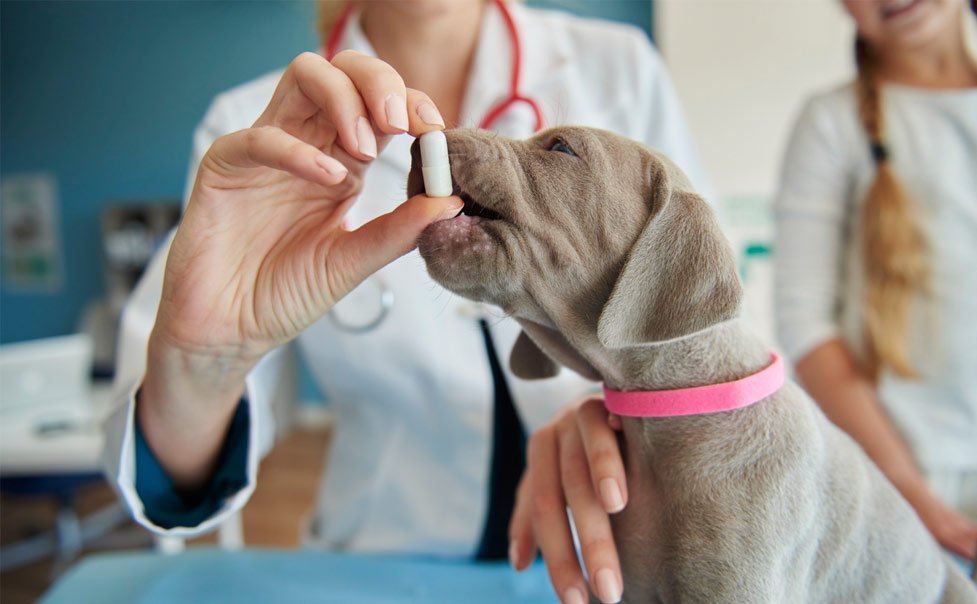
There’s the official advice about pet medications—follow the prescription, finish the full course, call your vet if you have questions. And then there’s everything else. The practical stuff that only comes from actual experience managing medications for real animals who have opinions and schedules and the occasional tendency to spit pills across the room.
Here’s what you might not hear from the official sources but probably need to know.
Your Pet Will Develop Trust Issues About Certain Foods
That cheese you used to hide pills three times? Your dog remembers. The wet food your cat loved until you mixed medication into it? Permanently suspicious now. Animals learn quickly when food becomes a delivery mechanism for something unpleasant, and they hold grudges.
Rotate your hiding methods. Don’t always use the same treat or the same technique. Keep some foods “clean” so your pet doesn’t learn to distrust everything. Some owners maintain a special “pill food” that’s only used for medication so regular treats remain untainted.
Timing Matters More Than You Think
“Twice daily” sounds simple until you realize you need to space doses properly. Two pills taken an hour apart isn’t twice daily—it’s basically one dose. For most twice-daily medications, aim for intervals as close to twelve hours as possible. For once-daily meds, try to give them at roughly the same time each day.
Why does this matter? Many medications work by maintaining a certain level in the bloodstream. Give doses too close together, and levels spike then crash. Spread them too far apart, and you get gaps where the medication isn’t effective. Perfect precision isn’t necessary, but reasonable consistency is.
Life happens, of course. If you’re an hour late on a dose, just give it when you remember and adjust slightly from there. If you’re significantly late or miss a dose entirely, check with your vet—the answer depends on the specific medication.
You Don’t Have to Fill Every Prescription at the Vet’s Office
This is one of those things people discover by accident and then wonder why nobody mentioned it sooner. Many pet medications—especially common ones—can be filled at regular pharmacies, often for less money than the veterinary clinic charges. Your vet can write a prescription just like a doctor would for a human, and you can take it wherever you want.
Online pet pharmacies are another option, and some offer significant savings. Look for pharmacies accredited by the NABP or carrying the Vet-VIPPS seal to ensure you’re getting legitimate products. Some pet meds without vet prescription are also available for purchase, particularly preventatives, which can streamline routine care.
Price compare before you fill, especially for long-term medications. The difference can be substantial.
Some Medications Taste Truly Terrible
Not all medications are created equal when it comes to palatability. Some are relatively neutral, some are flavored to be appealing, and some taste so bad that pets will foam at the mouth and act like you’ve poisoned them. Metronidazole, a common antibiotic, is particularly notorious for its bitterness.
If you’re struggling with a particularly foul-tasting medication, ask your vet about compounding. Compounding pharmacies can reformulate medications into different forms—flavored liquids, treats, even transdermal gels—that might be more acceptable to your pet. This usually costs more, but sometimes it’s the only way to actually get medication into an uncooperative animal.
Pill Pockets Don’t Work for Every Pet
Pill pockets are marketed as the solution to pilling problems, and for some pets, they work beautifully. Others figure out the game immediately. They’ll eat around the pill, extract it with surgical precision, or simply refuse the doctored treat entirely.
If commercial pill pockets don’t work, try alternatives: cream cheese, liverwurst, a piece of hot dog, canned food rolled into a ball, or bread with peanut butter. Some pets respond better to soft foods that coat the pill completely and don’t require chewing.
For cats, special pilling treats designed for smaller pills can help, or try butter or cream cheese that can be smeared around the pill. Some cats do better with direct pilling followed by a treat chaser or a small amount of water from a syringe to help wash the medication down.
Keeping Records Is Actually Worth It
It feels like overkill until you’re at the emergency vet at 2 AM trying to remember what medication your pet takes and at what dose. Keep a record of current medications, doses, and schedules somewhere accessible—a note on your phone, a card in your wallet, or a document stored in the cloud.
This is also useful for tracking when you started medications, when refills are needed, and any side effects or reactions you’ve observed. If you ever need to see a specialist or a new vet, having this information readily available makes everything smoother.
Multiple Pet Households Require Extra Vigilance
If you have more than one pet, medication management gets complicated fast. You need to ensure the right pet gets the right medication and that no one steals anyone else’s medicated treats. In households with both dogs and cats, this is especially important since some medications safe for one species can be dangerous for the other.
Separate pets during medication time if there’s any risk of mix-ups or theft. Some owners medicate in different rooms; others use crates or baby gates. Make sure everyone gets their own dose and no one gets a bonus pill intended for their housemate.
It Gets Easier
The first time you have to manage pet medications feels daunting. The second time is easier. By the third or fourth round, you’ve developed techniques, identified what works for your specific pet, and built confidence in your ability to handle it.
The things nobody tells you are mostly things people figure out through experience—and now you have a head start. Pet medication management is a learnable skill, and the fact that you’re trying to do it right already puts you ahead of the curve.