
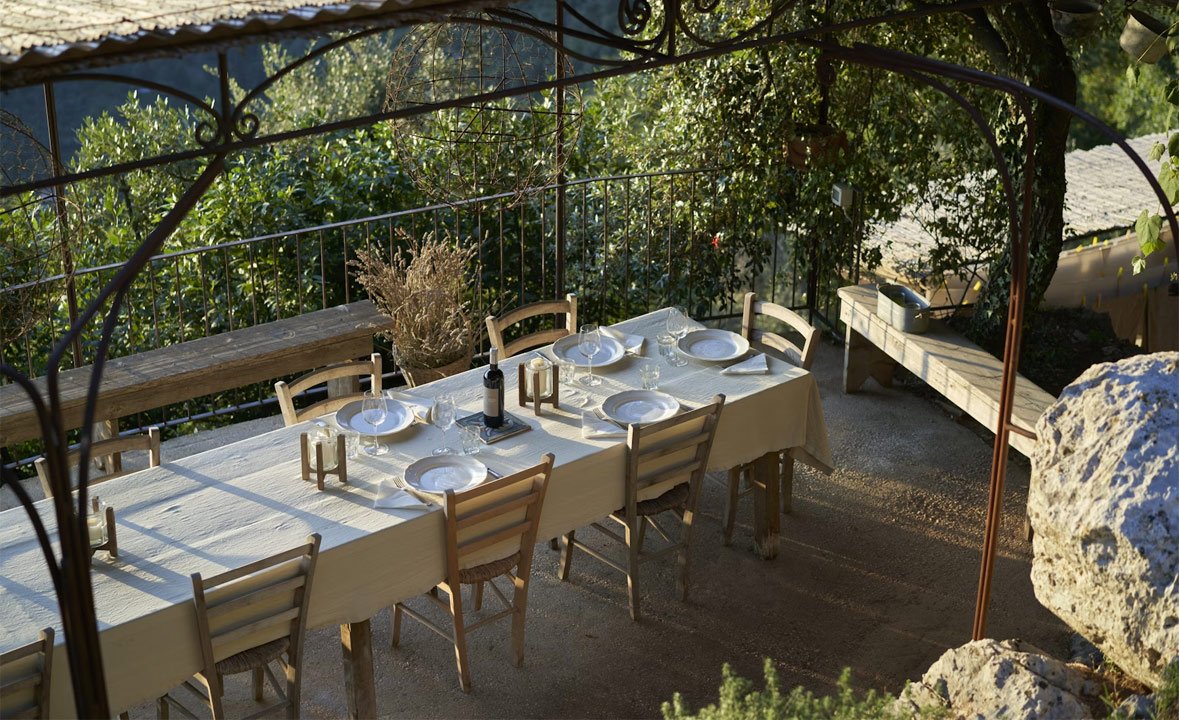
Southern Europe is a dream for food lovers. From the warmth of Mediterranean hospitality to the vibrant markets that overflow with colour, flavour, and heritage, this region celebrates food as both a craft and a way of life. Meals are unhurried, ingredients are honest, and traditions have been passed down through families for generations.
Whether you picture yourself strolling through Spain’s historic market halls, sipping wine among Italian vineyards, or tasting seafood straight from the coast, one thing is certain: Southern Europe invites you to savour every moment.
Planning Your Culinary Journey
Many travellers begin with guided Spain tours, which often weave food into almost every day of the itinerary — from tapas walks in major cities to vineyard tastings, seafood feasts and market tours led by passionate local experts.
These curated routes offer a fantastic introduction to Spanish food culture while making it easy to explore neighbourhoods, regional dishes and hidden spots that independent travellers might miss.
Crossing the Border into Italy
For those extending their culinary travels eastwards, Italy tours provide a completely different yet equally delicious flavour of Southern Europe — handmade pasta served in quiet trattorias, olive groves shimmering under the sun, and wine regions producing some of the world’s finest reds and whites.
Italy’s food traditions are deeply rooted in landscape and community, giving visitors a taste of authenticity in every region, from the north’s rich butter-based dishes to the south’s bright Mediterranean produce.
Spain: Tapas Bars, Market Halls and Regional Flavours
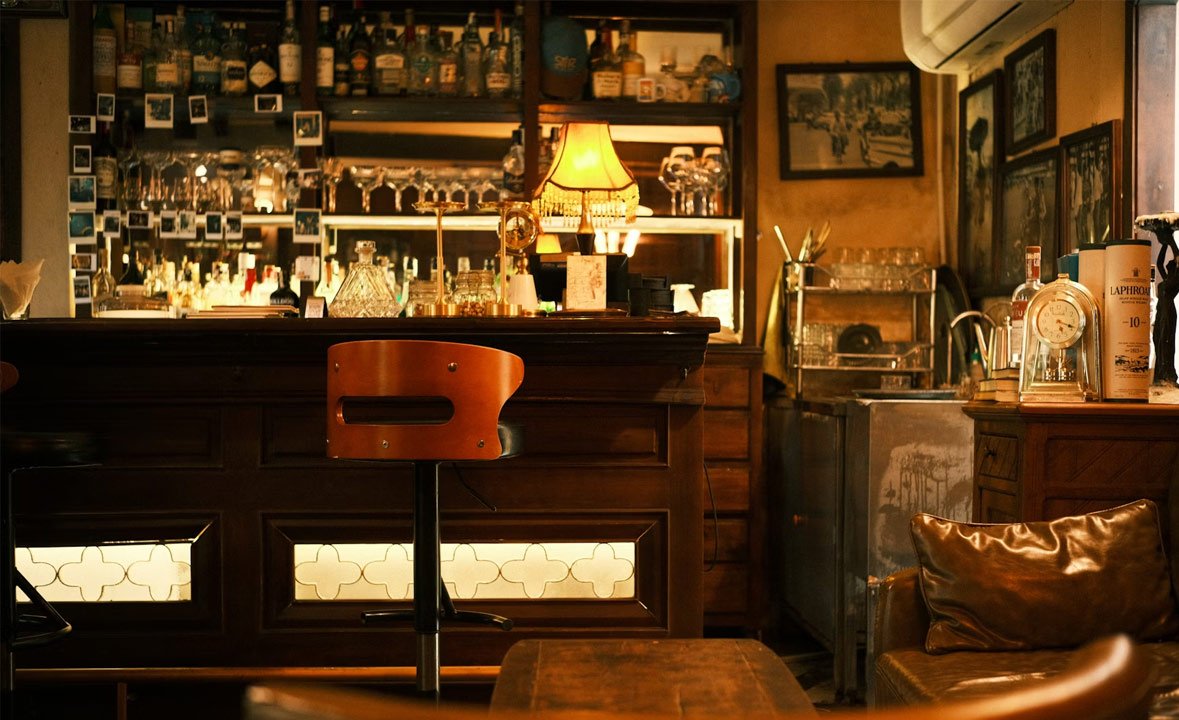
Spain’s food culture is as lively as its cities. Tapas is more than a style of eating — it’s a social ritual, an evening spent hopping between bars, sampling small plates and enjoying conversation. In Madrid, classics like patatas bravas, croquetas and tortilla española appear alongside modern interpretations crafted by young chefs. Barcelona blends Catalan staples such as pan con tomate, escalivada and local seafood dishes with contemporary culinary creativity.
Don’t miss the market halls, which play a major role in local life. Mercado de la Boqueria in Barcelona dazzles with fresh produce, gleaming fish counters and juice stands, while Madrid’s Mercado de San Miguel brings gourmet stalls and tapas culture together. In Seville, the markets feel more traditional, filled with cheese, ham, oranges, and earthy Andalusian spices.
Spanish cuisine also changes dramatically from region to region. In the Basque Country, pintxos bars offer inventive bites on skewers or bread slices, and cider houses serve enormous steaks with natural cider poured from height. In Valencia, paella reigns supreme, cooked slowly over fire with rabbit, chicken and local beans. Along the coast, seafood becomes more central — think octopus, sardines and anchovies served simply but beautifully.
Spain’s Wine Regions: From Rioja to Priorat
Wine is woven into Spanish culture. Rioja offers bold reds aged in oak barrels, best enjoyed in small, family-run bodegas. Ribera del Duero produces powerful Tempranillos with depth and structure, while Priorat, with its rugged slate soils, delivers full-bodied wines loved by enthusiasts. Many bodegas offer tastings paired with charcuterie, cheese and olive oil, giving visitors an immersive taste of the countryside.
Italy: Pasta, Cheese and the Magic of Simple Ingredients
Italy’s culinary charm lies in its simplicity. Ingredients are few, but quality is everything. The moment you sit down at a trattoria, you feel the pride behind each regional dish.
In Rome, carbonara, amatriciana and cacio e pepe showcase the brilliance of combining pasta with pecorino, pepper and cured meats. Florence offers bistecca alla fiorentina — a Tuscan T-bone grilled over embers — and markets brimming with truffles, porcini mushrooms and pecorino cheeses.
Head south and the flavours get brighter. Naples gives the world its most famous pizza: thin, blistered, and topped simply with tomatoes, mozzarella and basil. Puglia is known for orecchiette pasta, olive oil and seafood served beside turquoise seas. Sicily brings vibrant citrus, pistachios, capers and some of the most exciting street food in Europe, from arancini to cannoli.
Italian Markets: A Feast for the Senses
Italy’s markets are windows into daily life. Mercato Centrale in Florence mixes artisan stalls with food counters offering fresh pasta, wood-fired pizza and regional sweets. Campo de’ Fiori in Rome brims with flowers, vegetables, cheeses and spices. In Venice, the Rialto Market showcases glittering displays of seafood, sold just steps from the city’s canals.
Markets are also ideal for picnics — pick up fresh bread, tomatoes, olives and cheeses, then wander to a park or piazza for a leisurely lunch in the sunshine.
Italian Wine Regions: A Journey Through Vineyards
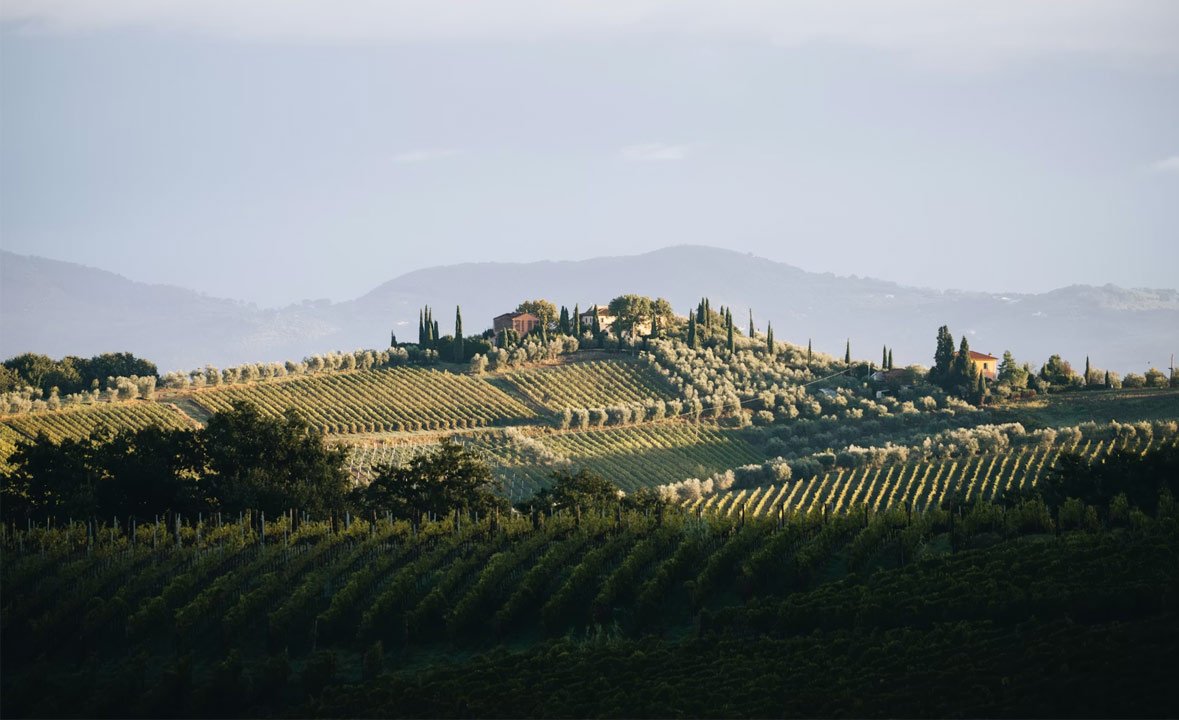
Italy’s wine regions are as diverse as its food. In Tuscany, sprawling vineyards produce Chianti, Brunello di Montalcino and Vino Nobile di Montepulciano. Piedmont in the north offers world-renowned Barolo and Barbaresco — complex, elegant reds made from the Nebbiolo grape.
In the south, Sicily and Puglia produce rich, fruit-forward wines with vibrant flavours reflective of their sunny climates. Most wineries offer tours and tastings, often accompanied by local salumi, pecorino or freshly baked focaccia.
Portugal and Greece: Southern Europe’s Understated Food Gems
If your travels extend beyond Spain and Italy, Portugal and Greece offer their own exceptional flavours.
Portugal
Expect grilled sardines, pastel de nata pastries, hearty stews and the incredible wines of the Douro Valley. Lisbon’s Time Out Market blends tradition with modern flair, while Porto’s riverfront is filled with cosy restaurants specialising in fresh seafood.
Greece
From creamy tzatziki and warm pita to grilled meats, stuffed vine leaves and honey-drizzled pastries, Greek cuisine feels sunny, warm and welcoming. Markets in Athens and Thessaloniki overflow with olives, cheeses, herbs and seasonal produce.
These countries pair beautifully with a broader Southern European itinerary, offering food lovers even more to explore.
The Joy of Slow Food: Why Southern Europe Inspires
Southern Europe invites you to slow down — something that becomes clear the moment you sit at a long wooden table, surrounded by friends, family or fellow travellers. Meals are not rushed; they unfold in courses, conversation, and shared appreciation. From Spanish tapas nights to Italian Sunday lunches, food becomes both memory and connection.
For travellers, the region’s food culture offers moments of pure joy:
a plate of octopus beside the sea,
a slice of pecorino paired with local honey,
a glass of Rioja or Chianti enjoyed at sunset,
a pastry that tastes of tradition, butter and celebration.
Final Thoughts: A Culinary Journey Worth Savouring
Whether you begin in Spain or Italy, Southern Europe rewards curiosity and appetite. Each region has its own flavours, traditions and stories, yet they share one truth: food is a way of life. From bustling markets to quiet vineyards, tapas bars to pasta workshops, the region offers endless opportunities to taste, learn and fall in love with its heritage.
For food lovers, this is more than a holiday. It is an invitation to savour beauty, culture and community — one unforgettable dish at a time.