
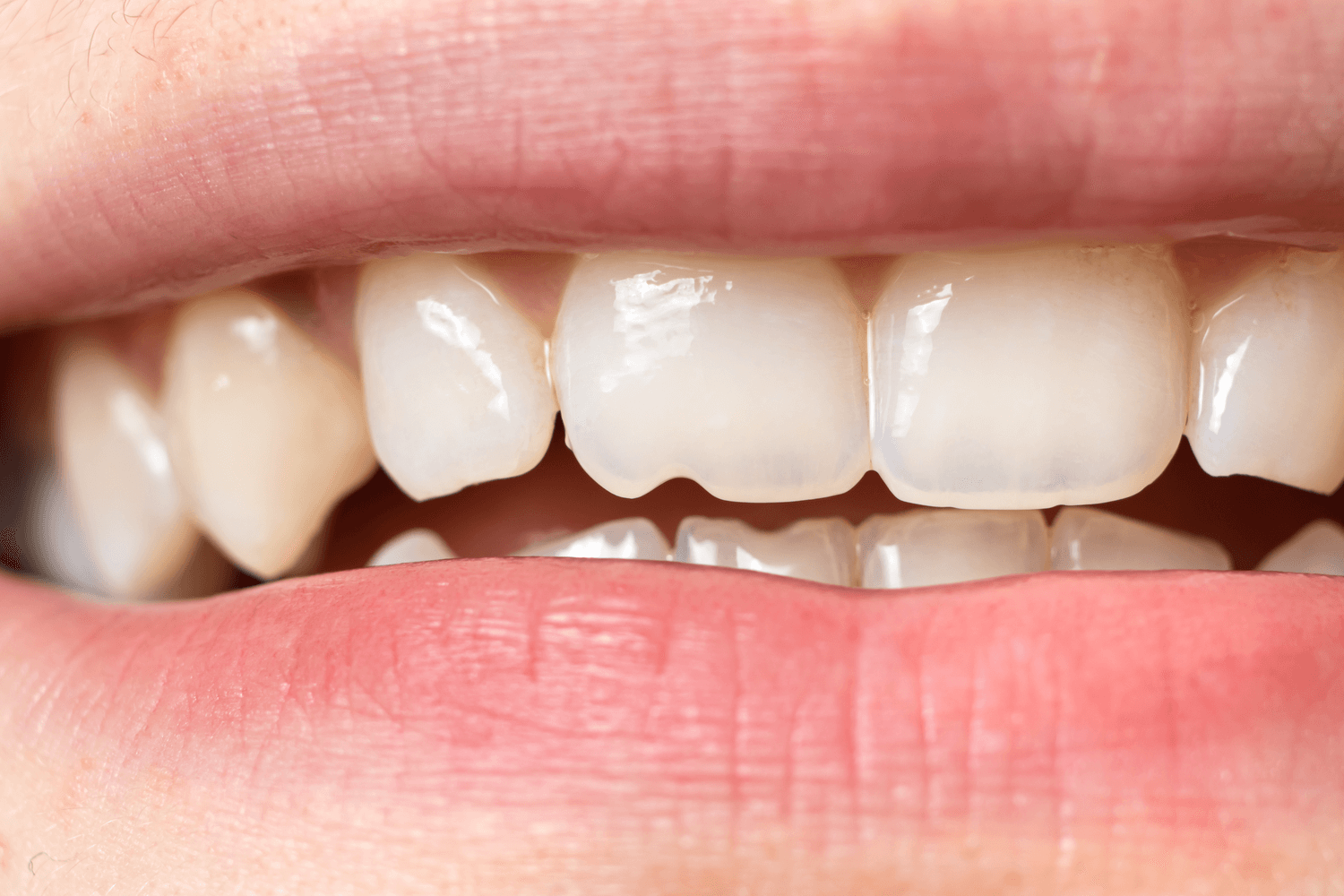
You have tried the sensitive teeth toothpaste. You have switched to a softer brush. You have cut back on acidic foods and followed every recommendation you could find. For a while, things improved. Then the sharp sting returned, sometimes worse than before.
Recurring tooth sensitivity is one of the most frustrating dental problems to deal with. Unlike a cavity that can be filled or a broken tooth that can be crowned, sensitivity often seems to resist permanent solutions. Understanding why this happens is the first step toward finally breaking the cycle.
Common Causes of Tooth Sensitivity
Sensitivity occurs when the inner layers of your teeth are exposed to stimuli they should be protected from. Several conditions can create this exposure.
Enamel erosion is among the most frequent causes. The hard outer layer of your teeth can wear away gradually through acidic foods and drinks, aggressive brushing, or conditions like acid reflux. As enamel thins, the underlying dentin becomes exposed. Dentin contains thousands of microscopic tubes leading to the nerve, and when hot, cold, sweet, or acidic substances reach these tubes, you feel pain.
Gum recession creates a different pathway to sensitivity. When gums pull back from the tooth surface, they expose the root area, which lacks the protective enamel covering that shields the crown. Root surfaces are naturally more porous and sensitive, reacting strongly to temperature changes and certain foods.
Cracked teeth can cause sensitivity that comes and goes unpredictably. A crack may open slightly when you bite down, allowing stimuli to reach the nerve, then close again afterward. This explains why cracked tooth sensitivity often occurs only during chewing and can be difficult to pinpoint.
Teeth grinding, known as bruxism, contributes to sensitivity through multiple mechanisms. The constant pressure wears down enamel, can cause microscopic cracks, and inflames the nerves inside teeth. Many people grind at night without awareness, waking with sensitivity they cannot explain.
Recent dental work sometimes triggers temporary sensitivity as well. Fillings, crowns, and whitening treatments can all irritate the nerve initially. This type of sensitivity usually resolves within a few weeks, but persistent symptoms after dental procedures may indicate a problem with the restoration itself.
Why Sensitivity Treatments Sometimes Fail
Desensitising toothpastes and other over the counter treatments work by blocking the transmission of sensations through the dentin tubes or by strengthening enamel through remineralisation. For many people, these products provide genuine relief.
The problem arises when sensitivity has an underlying cause that toothpaste cannot address. If your gums continue receding, no amount of desensitising product will provide lasting improvement. If a crack is slowly spreading through your tooth, treating the sensitivity without addressing the crack simply masks a worsening condition.
Many sensitivity treatments target symptoms rather than causes. They reduce the pain signal without stopping whatever is creating the vulnerability. This explains why relief often proves temporary. The underlying issue continues progressing, and symptoms eventually return despite consistent product use.
Another common issue is inconsistent treatment. Desensitising toothpastes require regular use over several weeks to build effectiveness. Many people stop using them once symptoms improve, only to find sensitivity returning when protection fades. Without addressing the root cause, this cycle repeats indefinitely.
Sometimes the cause itself is ongoing. If you continue consuming highly acidic drinks daily, grinding your teeth nightly, or brushing with excessive force, you are actively creating new damage faster than any treatment can repair it. Sensitivity management requires identifying and stopping these contributing behaviours.
Hidden Issues That Mimic Simple Sensitivity
Not everything that feels like sensitivity is straightforward sensitivity. Several more serious conditions produce similar symptoms and can easily be mistaken for simple enamel wear or gum recession.
Tooth decay in its early stages often presents as sensitivity rather than pain. A cavity forming between teeth or beneath an old filling may cause twinges with cold or sweet foods long before it becomes visible or produces a toothache. Treating this as ordinary sensitivity allows the decay to progress unchecked.
Failed or failing restorations can create sensitivity that seems to appear from nowhere. A filling that has developed a gap at its margin allows bacteria and stimuli to reach areas that should be sealed. A crown with compromised cement may shift microscopically, exposing the prepared tooth beneath. These problems require repair, not desensitising toothpaste.
Cracked tooth syndrome is notoriously difficult to identify. The crack may be invisible to the naked eye and may not appear on standard x rays. Symptoms can be vague and inconsistent, leading to months of unsuccessful sensitivity treatment before the true cause is discovered.
Pulp inflammation, even without obvious decay or damage, can produce sensitivity symptoms. The nerve inside your tooth may become irritated from trauma, previous dental work, or reasons that are not immediately apparent. If inflammation progresses, what started as sensitivity can develop into a full dental emergency.
Referred pain complicates diagnosis further. A problem with one tooth can create sensations that seem to originate elsewhere. Sinus issues can mimic upper tooth sensitivity. Jaw joint disorders can produce symptoms that feel like tooth pain. Without proper investigation, you might treat the wrong tooth entirely.
How a Proper Diagnosis Identifies the Real Problem
The pattern that emerges is clear. Recurring sensitivity that resists home treatment usually indicates something more complex than surface level enamel issues. Finding and addressing the actual cause requires professional assessment.
An experienced dentist approaches sensitivity systematically, looking beyond the obvious to identify what is really happening. This involves detailed questioning about when symptoms occur, what triggers them, and how they have changed over time. Your history often contains clues that point toward the underlying problem.
Clinical examination includes checking for visible signs of erosion, recession, cracks, and decay. Special tests can assess how teeth respond to temperature, pressure, and percussion. The way a tooth reacts to different stimuli helps narrow down whether the issue involves enamel, dentin, pulp, or supporting structures.
Diagnostic imaging reveals what cannot be seen directly. X rays show decay between teeth, bone loss around roots, and some types of cracks. More advanced imaging may be needed for complex cases where standard films do not provide answers.
Sometimes the diagnosis requires observation over time. An experienced dentist will recognise when immediate answers are not possible and establish a monitoring plan to track how symptoms develop. This patience often leads to accurate diagnosis when rushed conclusions would miss the mark.
The value of proper diagnosis extends beyond identifying the problem. Understanding exactly what is causing your sensitivity determines which treatment will actually work. A desensitising varnish applied to exposed root surfaces addresses recession effectively. The same treatment does nothing for a cracked tooth or failing filling.
Long Term Strategies for Managing Sensitivity
Once the underlying cause has been identified and addressed, ongoing management helps prevent recurrence.
Protecting remaining enamel becomes a priority. This means limiting acidic food and drink consumption, using a straw for beverages that cannot be avoided, and waiting at least thirty minutes after acidic exposure before brushing. Rinsing with plain water immediately after eating or drinking helps neutralise acids before they cause damage.
Proper brushing technique matters more than many people realise. A soft bristled brush with gentle pressure cleans effectively without wearing down enamel or traumatising gums. Electric toothbrushes with pressure sensors can help if you tend toward aggressive brushing.
Addressing grinding requires intervention since you cannot consciously control what happens while you sleep. A custom night guard protects teeth from the forces of bruxism and can significantly reduce sensitivity caused by grinding.
Fluoride treatments, whether professional applications or prescription strength home products, help strengthen enamel and reduce dentin sensitivity. Your dentist can recommend the appropriate strength and frequency based on your specific situation.
Regular professional monitoring catches new problems early. An experienced dentist familiar with your history can spot changes before they produce symptoms, allowing intervention while issues remain simple to treat.
Moving Beyond Temporary Fixes
Tooth sensitivity that keeps returning is not something you simply have to live with. It is a signal that something in your mouth needs attention, something that desensitising toothpaste alone cannot resolve.
The cycle of temporary relief followed by recurring symptoms breaks only when the true cause is identified and properly treated. This requires moving beyond symptom management toward genuine diagnosis and targeted intervention.
Your teeth are telling you something when they react painfully to normal activities like eating and drinking. Listening to that message and seeking proper answers leads to solutions that last, not just relief that fades.

