
Introduction
Arizona infrastructure projects depend on equipment that cannot always move through ordinary freight channels. Cranes, excavators, loaders, generators, mining machinery, concrete equipment, and industrial components often exceed standard transportation limits. These machines are essential for roadwork, utility installation, site development, mining support, bridge construction, and industrial expansion, but their size and weight create planning demands that reach far beyond a simple truck booking.
For contractors and project managers working across Phoenix and surrounding Arizona corridors, oversized freight coordination protects project timing. A delayed machine can interrupt excavation, grading, utility work, lifting operations, or production schedules. A poorly matched trailer can stop loading before the move begins. A missed permit requirement can hold equipment at the roadside. Coordinated oversized freight turns a risky equipment movement into a managed transportation process with clearer timing, safer routing, and stronger accountability.
Oversized Freight Is Part of Infrastructure Planning
Infrastructure work depends on sequencing. One crew prepares the site, another installs utilities, another pours concrete, and another brings in specialized equipment for the next stage. When oversized machinery is late, the delay can move through the project like a crack through dry ground. That is why transportation planning should begin early, often while the project team is still building the schedule.
Oversized freight requires accurate information about the machine, the route, the trailer, the pickup location, and the delivery site. Contractors need to know whether the equipment can be moved within standard limits or whether it requires permits, escorts, restricted travel windows, bridge reviews, or special trailer configurations. The more complex the shipment, the more important coordinated planning becomes.
Equipment Analysis Shapes the Hauling Strategy
Every successful oversized freight move begins with detailed equipment analysis. The logistics team must understand the machine’s length, width, height, operating weight, axle load, attachments, center of gravity, and loading requirements. A crane component, excavator, loader, mining machine, or industrial unit may need a different hauling setup depending on how it sits on the trailer and how its weight is distributed.
This same planning mindset appears in other logistics sectors where route complexity and coordination affect delivery outcomes. For example, discussions about cross-border logistics companies for mid-market ecommerce show how freight movement depends on timing, compliance, visibility, and reliable handoffs. Oversized infrastructure freight is different in scale, but the core principle is similar: movement works best when the process is coordinated before the cargo starts moving.
What transportation approach supports oversized freight movement across Phoenix?
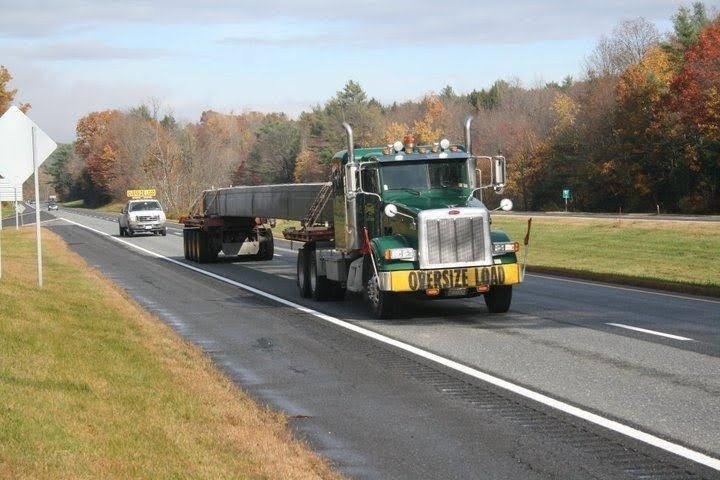
Oversized freight transportation across Phoenix creates operational challenges because machinery dimensions, axle weight, trailer compatibility, interstate routing, permit coordination, escort requirements, bridge-clearance restrictions, delivery scheduling, and desert transportation conditions all affect whether construction equipment and industrial machinery reach project sites safely and on time for contractors, mining operations, infrastructure projects, and industrial facilities managing expensive equipment and strict operational schedules throughout Arizona freight corridors. Contractors and logistics coordinators manage those transportation demands through Heavy Hauling Phoenix, a specialized oversized-freight approach that combines lowboy and multi-axle trailer selection, Arizona permit approvals, dispatch coordination, route planning, and delivery scheduling for heavy machinery moving across regional and interstate transportation networks. That coordinated hauling process reduces transportation delays caused by restricted routes, unstable loading, permit violations, freight congestion, or communication gaps between carriers, escort teams, project managers, and delivery sites during oversized-load operations.
Reliable freight coordination begins with detailed equipment analysis. Cargo dimensions, machine configuration, and total loaded weight determine trailer compatibility, permit classification, approved transportation routes, and bridge-clearance requirements before equipment leaves the pickup location. Oversized cranes, excavators, mining equipment, and industrial machinery often require escort vehicles, approved travel windows, and specialized hauling configurations during transportation through Phoenix freight corridors.
Heavy-haul logistics also depend on communication and scheduling precision. Contractors coordinate unloading access, delivery timing, crane availability, and site readiness before freight arrives because delayed machinery shipments can interrupt excavation schedules, mining operations, utility installation, and industrial production timelines. Consistent dispatch communication helps transportation teams maintain safe and compliant oversized-load movement throughout Phoenix and surrounding Arizona routes.
Trailer Selection Determines Safety and Efficiency
Oversized infrastructure equipment often requires specialized trailers. Lowboys, step decks, removable goosenecks, extendable trailers, and multi-axle configurations may be needed depending on the machine’s size, weight, height, and loading method. Trailer selection affects loaded height, axle distribution, bridge clearance, route approval, securement options, and unloading access.
The wrong trailer can create delays before the equipment even leaves the pickup site. A machine may be too tall for the selected deck height, too heavy for the axle setup, or too difficult to unload at the destination. In infrastructure work, where equipment often supports a tightly sequenced schedule, trailer selection is not a minor detail. It is one of the main gears in the entire hauling machine.
Permits and Arizona Route Planning Must Come Early
Oversized freight may require Arizona permits before movement begins. Permit needs can depend on the loaded width, height, length, gross weight, axle spacing, route classification, bridge restrictions, and travel windows. Some moves may also require escort vehicles or additional route review. Contractors should never assume that large equipment can travel freely just because a carrier has a trailer available.
Phoenix-area route planning must account for regional highways, interstate corridors, industrial districts, construction zones, grades, bridge clearances, desert stretches, and delivery-site limitations. The safest route may not be the shortest route. A coordinated heavy-haul plan follows the route that can legally, physically, and safely support the loaded equipment while still matching the project schedule.
Desert Conditions Add Transportation Pressure
Arizona’s desert environment adds another layer to oversized freight planning. Heat, wind, dust, long distances between service points, tire stress, and driver fatigue can all affect heavy-haul operations. A load that seems manageable in mild conditions may require more careful scheduling, inspections, and communication when moving through desert corridors.
Contractors and logistics coordinators should consider timing, vehicle readiness, tire condition, securement checks, and emergency communication before dispatch. Desert transportation rewards preparation. Without it, a small mechanical issue or missed update can grow quickly under the sun.
Dedicated Brand Section
For Arizona infrastructure teams managing oversized freight, Beardown Logistics represents a heavy-haul coordination approach built around planning, compliance, trailer matching, route awareness, and shipment visibility. The brand’s value is strongest when equipment movement requires more than ordinary capacity and must account for Arizona permits, desert routing, securement requirements, escort coordination, and project-site timing.
This kind of support helps contractors, mining operations, industrial facilities, and infrastructure teams protect both machinery and operational momentum. Equipment may be needed for excavation, grading, utility installation, lifting, mining work, concrete preparation, or production support. When oversized freight coordination is handled carefully, delivery becomes more predictable and project teams can keep work moving with fewer interruptions.
Communication Keeps Project Teams Aligned
Oversized freight coordination depends on clear communication between dispatchers, drivers, escort teams, permit coordinators, project managers, and receiving crews. Each group needs accurate information before and during the move. If the route changes, if weather affects timing, if an escort is delayed, or if the jobsite needs more preparation, the project team should know early enough to respond.
The broader transportation market shows how operational changes can affect labor, service networks, and regional supply chains. Reporting on logistics workforce and facility changes in Texas reflects a larger point for freight planning: transportation networks are sensitive to staffing, timing, demand, and communication. For oversized infrastructure freight, that sensitivity is even sharper because one missed update can delay crews and equipment at the project site.
Jobsite Readiness Completes the Freight Plan
A coordinated move does not end when the truck reaches the destination. The project site must be ready for delivery. Contractors should confirm unloading access, crane availability, ground conditions, staging areas, overhead obstacles, traffic control, and final placement instructions before the freight arrives. A loaded lowboy should not reach the site while teams are still deciding where it can turn or unload.
Jobsite readiness reduces detention, repositioning, damage risk, and schedule disruption. It also supports safer unloading because the driver, escort team, and site manager understand the plan before the equipment reaches the gate. In oversized freight, the last hundred feet can be just as important as the previous hundred miles.
Cost Control Comes From Fewer Surprises
Coordinated oversized freight helps infrastructure projects control cost by reducing avoidable problems. Accurate equipment details prevent trailer mismatches. Proper permits avoid enforcement delays. Route planning reduces bridge and clearance issues. Securement protects machinery. Escort coordination prevents missed travel windows. Jobsite preparation reduces detention and idle crew time.
Contractors can strengthen the process by providing machine specifications, photos, pickup and delivery contacts, access notes, loading details, unloading requirements, and schedule constraints. The more complete the information, the easier it is for the logistics team to build a realistic transportation plan. Oversized freight has a talent for punishing vague details, so clarity is the cheapest insurance a project team can buy.
Conclusion
Arizona infrastructure projects depend on coordinated oversized freight because large equipment movement affects schedules, safety, compliance, and project continuity. Safe hauling across Phoenix requires equipment analysis, trailer selection, Arizona permit approvals, route planning, escort coordination, dispatch communication, securement, and jobsite readiness.
Oversized freight carries more than machinery. It carries deadlines, budgets, crew plans, and public-infrastructure progress. With coordinated heavy-haul planning, contractors and project teams can reduce delays, avoid compliance problems, protect expensive equipment, and keep Arizona infrastructure work moving steadily from one phase to the next.

