
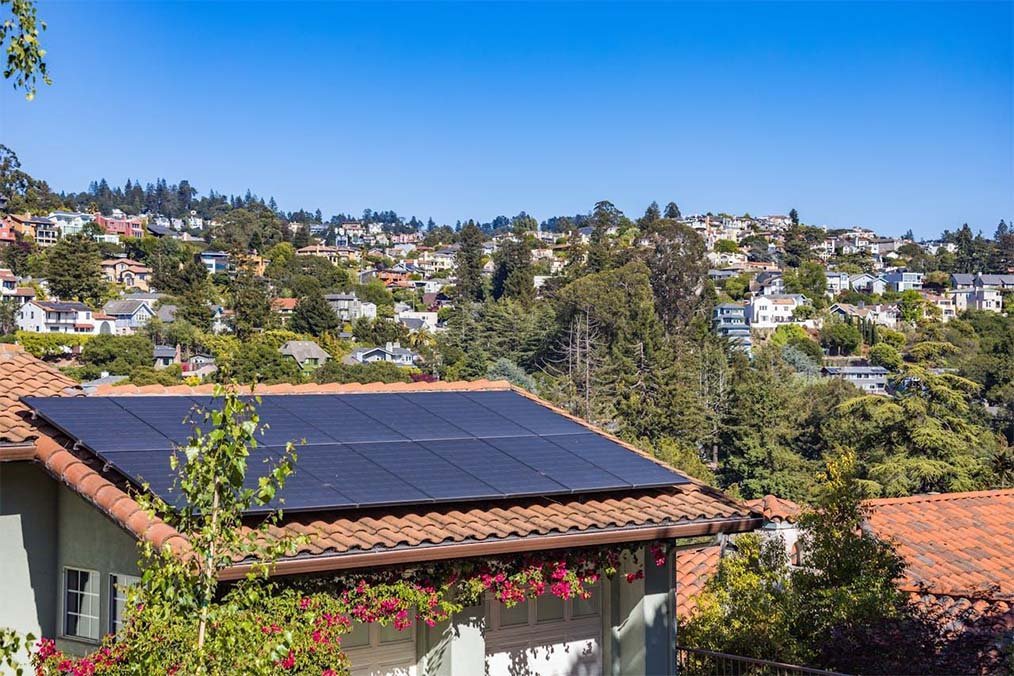
The use of renewable energy has emerged. Grid control devices, solar panels, wind farms, smart meters, and battery storage are all common. There are available, tested, and quickly developing technologies in many fields. The shift to renewable energy is taking longer than many individuals, companies, and communities anticipate. The inability of energy financing systems to keep up with technological advancements is one problem. Installers of renewable energy, heating, and cooling systems, like GSM Ltd, work in a market where demand for greener energy is growing, yet many projects continue to rely on antiquated financing techniques, regulatory procedures, and investment assumptions.
Technology Is No Longer the Main Barrier
Renewable energy was considered technical for years. Questions were raised about solar electricity, wind turbine reliability, and battery storage. Those enquiries were legitimate, but the answers are now evident. Practicality and finances are generally the biggest issues. Many renewable systems can work, but they require the right project structure, financing, payment plan, and long-term support. A successful solar or battery project may be hampered by tight financing or a consumer’s inability to cover upfront costs.
The Upfront Cost Issue
Renewable energy is expensive upfront but saves money over time. Energy control systems, solar panels, house batteries, and efficiency enhancements are expensive. Even with solid long-term numbers, people and small companies may not be able to pay it. This trade rarely works with real money. Upgrades that use renewable energy lower power bills and make the system more reliable, but many lenders see them as home repairs. If these benefits aren’t built into the financing, buyers might put off or skip upgrades that would benefit them.
Aged Investment Thinking Slows Innovation
Large energy projects have comparable issues. Older financial models relied on centralised power generation, extended asset lifespan, stable fuel supply chains, and a few players’ large-scale infrastructure. Renewable energy is modular, distributed, and flexible. That distinction counts. Solar farms, rooftop installations, storage networks, and community energy projects can provide value. Its capabilities include power generation, peak demand reduction, backup capacity, local grid support, and cost management. If investors rely solely on outdated calculations, numerous benefits may be missing.
Homes Need Easier Paths
Renewable energy finance might be perplexing for customers. Compared to technology, payment arrangements are harder to understand. Customers may receive leases, loans, power purchase agreements, subscriptions, or bundled service contracts. Risks, savings, and ownership vary per option. A clearer structure improves household choices. People must know how much they will spend and save, who owns the equipment, what happens if they move, and how maintenance is handled. Clear financial paths and technologies simplify the adoption of renewable energy.
Improved Models Can Increase Adoption
Green energy costs are going down thanks to new ways to finance it. The first cost can be lowered with green mortgages, pay-as-you-save plans, community energy investments, energy-as-a-service contracts, and low-interest upgrade loans. With this method, green energy is provided at no initial cost. Better energy models help businesses plan and stick to budgets for energy upgrades. Renewable energy can help businesses save money and be sustainable and resilient without an upfront expense. Adoption is easier to understand and less terrifying.
Clean Energy Needs Financial Reform
The renewable energy revolution requires more than better panels, batteries, and grids. Financial systems that understand modern energy are also needed. Even good technology struggles to reach those who need it when funding mechanisms are obsolete.
The next stage of renewable energy growth will require banks, legislators, developers, and consumers to rethink project valuation and payment. Technology allows cleaner power in many places. Making it financially viable, accessible, and realistic for households and businesses is the bigger challenge.