
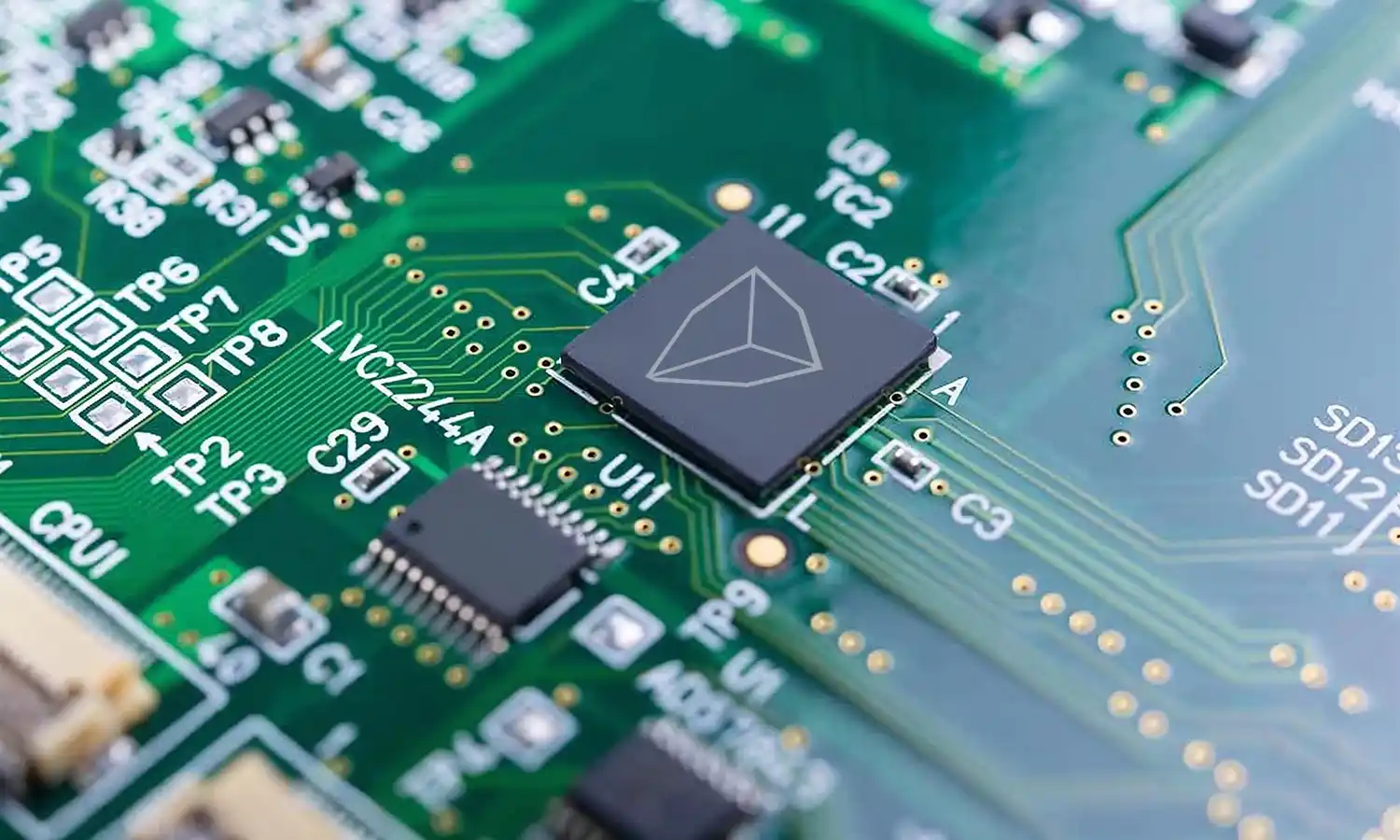
In today’s fast-paced electronics industry, SMT (Surface Mount Technology) and PCBA (Printed Circuit Board Assembly) play a critical role in turning circuit designs into fully functional electronic products. From smartphones and medical devices to automotive systems and industrial equipment, nearly every modern electronic product relies on advanced SMT and PCBA processes.
This article explains what SMT and PCBA are, how they work together, their advantages, and why they are essential for high-quality electronics manufacturing.
What Is SMT (Surface Mount Technology)?
Surface Mount Technology (SMT) is a method of assembling electronic components directly onto the surface of a printed circuit board (PCB). Instead of inserting component leads through holes (as in traditional through-hole technology), SMT components are mounted and soldered onto surface pads.
Key Characteristics of SMT:
- Uses surface-mount devices (SMDs) such as resistors, capacitors, ICs, QFNs, and BGAs
- Enables high-density circuit design
- Suitable for automated mass production
- Supports miniaturization and lightweight products
SMT is now the dominant assembly technology in the electronics industry due to its efficiency and reliability.
What Is PCBA (Printed Circuit Board Assembly)?
PCBA refers to the complete process of mounting electronic components onto a bare PCB and transforming it into a functional circuit board. PCBA includes:
- SMT assembly
- Through-hole assembly (THT)
- Soldering
- Inspection and testing
In simple terms:
- PCB = bare board
- PCBA = assembled and functional board
SMT is a major part of PCBA, but PCBA may also involve other processes such as wave soldering, selective soldering, and manual assembly.
SMT Process in PCBA Manufacturing
A standard SMT-based PCBA process includes the following steps:
1.Solder Paste Printing
Solder paste is applied to PCB pads using a stainless-steel stencil. This step determines solder volume and placement accuracy.
2.Pick and Place
High-speed SMT machines pick components from reels or trays and place them precisely onto the solder paste on the PCB.
3.Reflow Soldering
The PCB passes through a reflow oven where heat melts the solder paste and permanently bonds components to the board.
4.Inspection (AOI / X-ray)
Automated Optical Inspection (AOI) and X-ray inspection check for defects such as:
- Missing components
- Solder bridges
- Misalignment
- Cold solder joints
5.Functional Testing
After assembly, electrical testing (FCT, ICT, flying probe) ensures the PCBA works as designed.
Advantages of SMT in PCBA
Using SMT in PCBA offers multiple technical and commercial benefits:
High Component Density
SMT allows more components to be placed in a smaller area, enabling compact and complex circuit designs.
Better Electrical Performance
Shorter lead lengths reduce parasitic inductance and resistance, improving signal integrity at high frequencies.
Automation and Efficiency
SMT lines are highly automated, improving production speed and consistency while lowering labor costs.
Reliability
Proper SMT solder joints provide strong mechanical stability and long-term reliability.
Cost-Effectiveness
For medium and high volumes, SMT PCBA is more economical than traditional assembly methods.
SMT vs Through-Hole Assembly in PCBA
| Feature | SMT | Through-Hole (THT) |
| Component size | Small | Larger |
| Assembly method | Automated | Manual or wave soldering |
| PCB density | High | Low |
| Mechanical strength | Moderate | High |
| Typical use | Consumer electronics, IoT, medical, telecom | Power supplies, connectors, transformers |
Most modern PCBA projects combine SMT + THT to balance performance and strength.
Applications of SMT and PCBA
SMT-based PCBA is widely used across industries:
- Consumer electronics: smartphones, laptops, wearables
- Automotive electronics: ECUs, sensors, infotainment systems
- Medical devices: monitoring equipment, imaging systems
- Industrial control: automation controllers, power modules
- Telecommunications: routers, base stations, RF modules
- AI and computing hardware: control boards, accelerator cards
As electronics become smarter and smaller, the demand for advanced SMT PCBA continues to grow.
Key Quality Control in SMT PCBA
High-quality SMT and PCBA manufacturing depends on strict quality control:
- Incoming material inspection (IQC)
- Solder paste inspection (SPI)
- AOI and X-ray inspection
- Process control (temperature profiles, placement accuracy)
- Electrical and functional testing
- Traceability through MES systems
These measures ensure stable performance and reduce failure rates in real-world applications.
Choosing the Right SMT & PCBA Manufacturer
When selecting an SMT and PCBA supplier, consider:
- Manufacturing capability (BGA, fine-pitch, 0201 components)
- Quality certifications (ISO 9001, ISO 13485, IATF 16949, UL)
- Engineering support (DFM, BOM optimization)
- Testing equipment (AOI, X-ray, ICT, FCT)
- Turnkey service (PCB fabrication + component sourcing + assembly)
- Delivery speed and scalability
A reliable PCBA partner helps reduce development risk and speed up time-to-market.
Conclusion
SMT and PCBA are the foundation of modern electronics manufacturing. SMT provides the efficiency and precision needed for compact, high-performance designs, while PCBA integrates all assembly and testing processes into a complete functional product.
As technology continues to advance toward smaller, faster, and more intelligent devices, the importance of high-quality SMT and PCBA services will only increase. For businesses developing electronic products, understanding SMT and PCBA is essential to achieving reliability, performance, and cost efficiency.

