
Introduction
Online shopping has moved far beyond simply ordering products from a local retailer. Consumers can now discover fashion, electronics, beauty products, home essentials, accessories, and specialty goods from sellers operating thousands of miles away. This shift has created a new model of commerce in which technology connects shoppers with international suppliers while giving them more choices and competitive prices.
The next stage of e-commerce is likely to focus on making this international experience feel more local. Faster fulfillment, localized product recommendations, flexible payment options, and better customer support are becoming increasingly important. Platforms that can combine global sourcing with a convenient shopping experience are well positioned to benefit from this change.
Voghion and the Rise of Connected Global Commerce
Voghion is a London-based online marketplace focused strongly on European shoppers, connecting consumers with products sourced through an international supplier network. Founded in 2021, the platform has expanded its services across more than 40 European countries while maintaining a focus on variety, value, and cross-border shopping.
Its approach reflects an important change in consumer expectations. Instead of visiting several specialized websites to find clothing, shoes, accessories, electronics, or home products, shoppers increasingly want one convenient destination where different categories can be explored together.
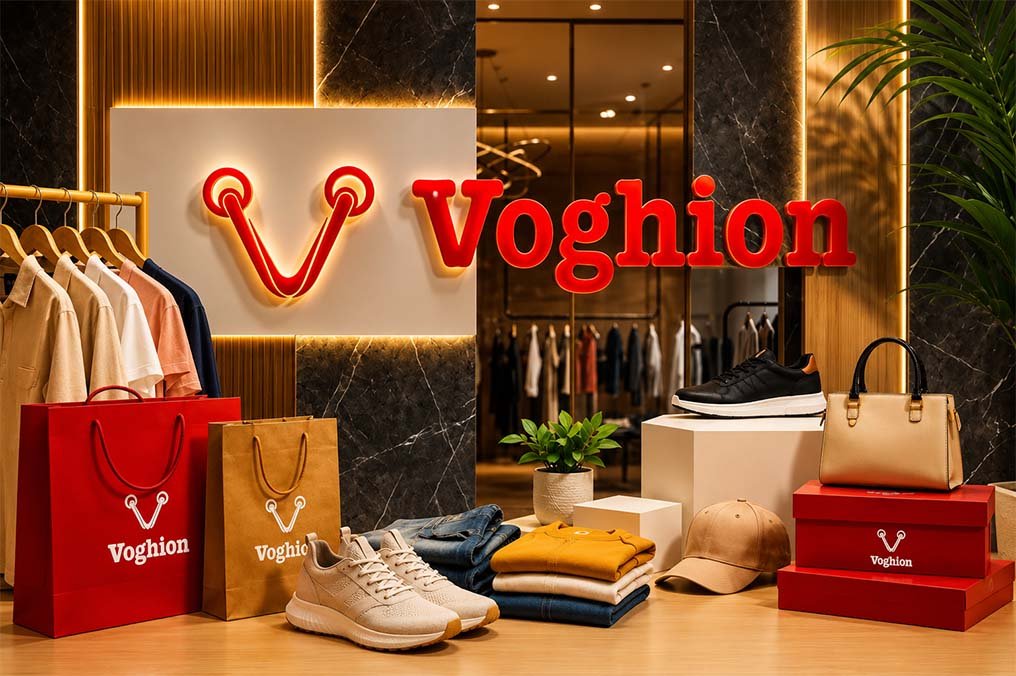
Voghion’s current marketplace illustrates this model with products ranging from women’s handbags and casual footwear to men’s clothing, electronics accessories, beauty products, and home items. For example, prices visible on its U.S. storefront include women’s handbags around $8, men’s shirts around $13, and selected casual footwear around $45, although prices and promotions can change.
This combination of international sourcing and value-focused pricing makes the platform particularly relevant to shoppers who want more variety without automatically moving toward premium retail prices.
Why Consumers Want More From Online Marketplaces
Price remains important, but it is no longer the only reason consumers shop online. Modern shoppers also care about selection, convenience, delivery options, product discovery, and the ability to compare alternatives quickly.
Global marketplaces respond to these expectations by bringing suppliers from different regions into one digital environment. A shopper in Europe, for example, can discover styles or products that may not be commonly available in a nearby physical store.
This is particularly useful in fashion. Trends can emerge in one country and become popular internationally within weeks. Online marketplaces can respond to these changes faster than traditional retail stores because their catalogs are not restricted by the physical shelf space of individual locations.
The same principle applies to home accessories, gadgets, beauty products, sports equipment, and other lifestyle categories. Global sourcing expands the number of possibilities available to consumers.
Technology Is Making Cross-Border Shopping Easier
Technology is at the heart of this transformation. Artificial intelligence and data analytics can help marketplaces understand what shoppers are interested in and surface relevant products more efficiently.
Instead of searching for an exact product every time, consumers can increasingly discover items through personalized recommendations, seasonal collections, trending categories, and visual inspiration. This creates a shopping experience that feels more like browsing than traditional product searching.
Logistics technology is equally important. A global marketplace needs more than a large catalog; it must coordinate suppliers, warehouses, shipping partners, payment systems, and customer service across different markets.
For shoppers, these behind-the-scenes improvements can make the difference between a frustrating international purchase and a smooth one. Clear delivery estimates, localized pricing, transparent shipping charges, and straightforward returns all contribute to greater confidence.
A Global Shopping Platform Built Around Local Needs
A successful global shopping platform cannot simply offer international products and expect every market to respond in the same way. European consumers have different fashion preferences, payment habits, delivery expectations, and seasonal shopping patterns from consumers in other regions.
This is where localization becomes increasingly important. Voghion’s European focus gives it an opportunity to adapt its product assortment and shopping experience to regional preferences while maintaining access to a broader international supply network.
The platform also provides different shipping options depending on destination and warehouse availability. For example, its current shipping information lists standard shipping at €1.99 for several European destinations, while other markets have different rates. The platform also advertises free shipping thresholds, with new customers eligible for free shipping from €20 and existing customers from €59 after discounts, according to its current policy.
These details show why localization matters. Global commerce does not mean treating every customer identically; it means using international supply networks while making the purchasing process relevant to individual markets.
5. What Shoppers Can Find on Voghion
The range of products available through Voghion demonstrates how online marketplaces are evolving from specialist stores into broader lifestyle destinations.
Fashion remains a major category. Shoppers can find casual shirts, jeans, dresses, jackets, sportswear, and seasonal clothing. Footwear includes sneakers, sandals, boots, loafers, heels, and athletic shoes. The women’s footwear section, for instance, includes numerous styles ranging from casual shoes and flats to knee-high boots and running shoes.
Accessories are another practical area to explore. Voghion lists crossbody bags, totes, backpacks, wallets, cosmetic cases, and other luggage options. A shopper building a travel wardrobe could therefore compare clothing, shoes, bags, and accessories without switching between multiple stores.
For technology-focused shoppers, the marketplace also features products such as phone cases, sports gadgets, electronic accessories, and other consumer technology items. Home, beauty, sports, and lifestyle categories further extend the platform beyond fashion.
6. How Global Marketplaces Compare With Traditional Shopping
| Shopping Factor | Traditional Local Shopping | Global Marketplace Model |
| Product reach | Mainly local inventory | International supplier network |
| Product discovery | Store-based browsing | Search, recommendations, trends, and categories |
| Price comparison | Requires visiting multiple stores | Multiple products can be compared online |
| Physical access | Immediate for stocked products | Delivery required |
| Product variety | Limited by store space | Much broader digital catalog |
| Market focus | Usually one region | Can serve multiple countries |
| Convenience | Depends on location and opening hours | Available online around the clock |
The trade-off is that international shopping can require more attention to delivery times, seller information, sizing, returns, and shipping conditions. A smart shopper should always check these details before completing an order.
7. What the Future of Global Shopping Could Look Like
The next generation of online marketplaces will likely become more personalized and localized at the same time. Artificial intelligence could help shoppers discover products based on style, budget, previous purchases, and even specific occasions.
Delivery infrastructure will also continue to influence competition. Local warehouses, improved logistics partnerships, and better inventory forecasting can shorten delivery times while making international shopping more predictable.
Another major development will be trust. As consumers buy from sellers they may never have heard of, marketplaces will need stronger product verification, transparent policies, reliable payment systems, and responsive customer support.
Voghion’s continued expansion across European markets reflects this broader direction: connecting international supply with regional consumer demand while emphasizing value and convenience.
Conclusion
The future of online shopping is increasingly global, but successful e-commerce will depend on making that global experience feel simple and relevant to individual consumers. Shoppers want international variety, competitive prices, convenient discovery, and dependable delivery without having to navigate a complicated cross-border process.
Platforms such as Voghion demonstrate how this model can work by combining international suppliers with a strong European market focus. From affordable handbags and everyday clothing to sneakers, accessories, electronics, and home products, shoppers can explore categories that extend well beyond the limits of a traditional local store.
As technology, logistics, and personalization continue to improve, global online marketplaces are likely to become an even more important part of everyday shopping. The winners will be the platforms that can offer not only more products, but also better value, clearer information, and a shopping experience designed around how consumers actually live.

