
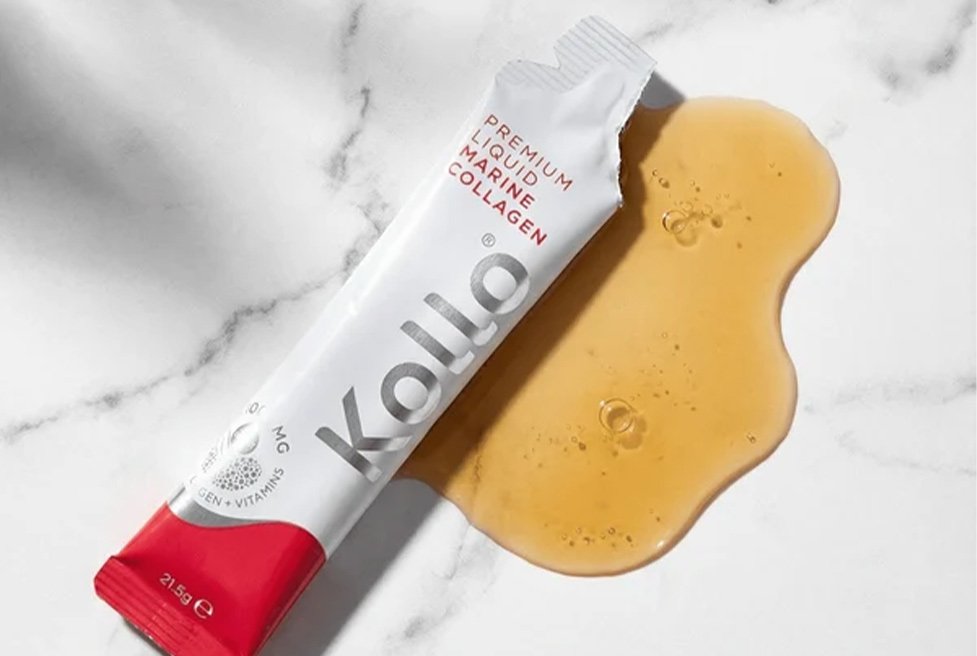
Even though collagen supplements have the same name and appear to be the same product, the various ways they are delivered to the body make the peptides they contain work in different ways. Liquid products arrive already dispersed, while capsules must break apart and powders must dissolve before digestion continues.
These differences may affect convenience, consistency, and how quickly a serving becomes available for absorption. Understanding the process helps people choose a format that fits their routine, dietary needs, and expectations about daily collagen intake.
For people who struggle with large capsules, a ready-to-drink option can simplify consistent use. A liquid serving also removes the need to measure powder or find a suitable drink during a busy morning. Those practical benefits matter because regular intake supports any nutrition plan more reliably than occasional use.
Readers comparing options can review daily liquid collagen supplement support for a liquid marine collagen format, serving details, ingredients, and directions. The product page lists 10,000 milligrams of marine collagen peptides per sachet, with vitamin C and selected B vitamins.
Why Format Changes the First Steps
Collagen does not enter the bloodstream as an intact protein. The digestive system breaks collagen peptides into smaller peptides and amino acids. These fragments can then pass through the intestinal lining and circulate for use in tissues.
A liquid format has already completed one physical step. It does not need to dissolve from a shell or disperse from dry clumps. That may allow digestion to begin with fewer preparation stages, although the digestive tract still controls the main breakdown process.
Capsules add a shell that must soften and open. Powders need fluid, mixing, and enough time to disperse evenly. Poor mixing can leave residue in a glass, reducing the amount consumed.
What Happens After Swallowing
Liquid Collagen
Liquid collagen is already suspended in water or another prepared base. After swallowing, stomach acid and digestive enzymes act on the collagen peptides. The body then processes these fragments through the small intestine.
This route can feel gentler for people who dislike dry textures. It also offers a repeatable serving size when each sachet contains a measured amount. The main advantage is reduced preparation, not a guarantee that every peptide reaches circulation unchanged.
Capsules and Powders
Capsules must first pass through disintegration. The shell opens, moisture reaches the contents, and the collagen powder disperses. Several factors can affect this stage, including capsule material, stomach conditions, and how quickly the contents mix.
Powders skip the capsule shell but still require proper dissolution. A thick mixture may remain partly undispersed, especially in cold water. Shaking the serving thoroughly and drinking it soon after mixing can help maintain a consistent dose.
The collagen source and peptide size also matter. Hydrolysed collagen contains shorter peptide chains, which are generally easier for digestive enzymes to process. Format alone does not determine nutritional value.
Which Format Fits Daily Use?
Liquid collagen suits people who value speed, portability, and a ready-measured serving. Sachets can fit into a work bag or travel case, and they require little preparation. These options can make adherence easier across a full week.
Capsules may appeal to people who prefer tasteless supplements. They can be useful where carrying liquids is inconvenient, though several capsules may be needed to match a larger collagen serving.
Powder offers flexibility. It can be added to water, yogurt, or a smoothie, and a pouch may reduce packaging. However, users must measure each portion accurately and mix it well.
Dietary restrictions deserve attention. Marine collagen comes from fish, so it does not suit people avoiding fish or animal-derived ingredients. Labels should also be checked for added sweeteners, allergens, and serving size.
A consistent routine remains more important than choosing a format based on marketing claims. Taking the recommended serving at a regular time makes intake easier to track. Adequate protein, vitamin C, sleep, and overall diet also influence connective tissue maintenance.
Conclusion
Liquid, capsule, and powder collagen follow the same broad digestive pathway, but they begin with different preparation demands. Liquids are already dispersed, capsules need to disintegrate, and powders require thorough mixing.
Those distinctions can affect convenience and dose consistency, while hydrolysed peptide quality remains important across all formats. Choosing a product that fits daily habits gives the best chance of regular use. Careful label checks can then confirm source, serving amount, allergens, and added ingredients.

