
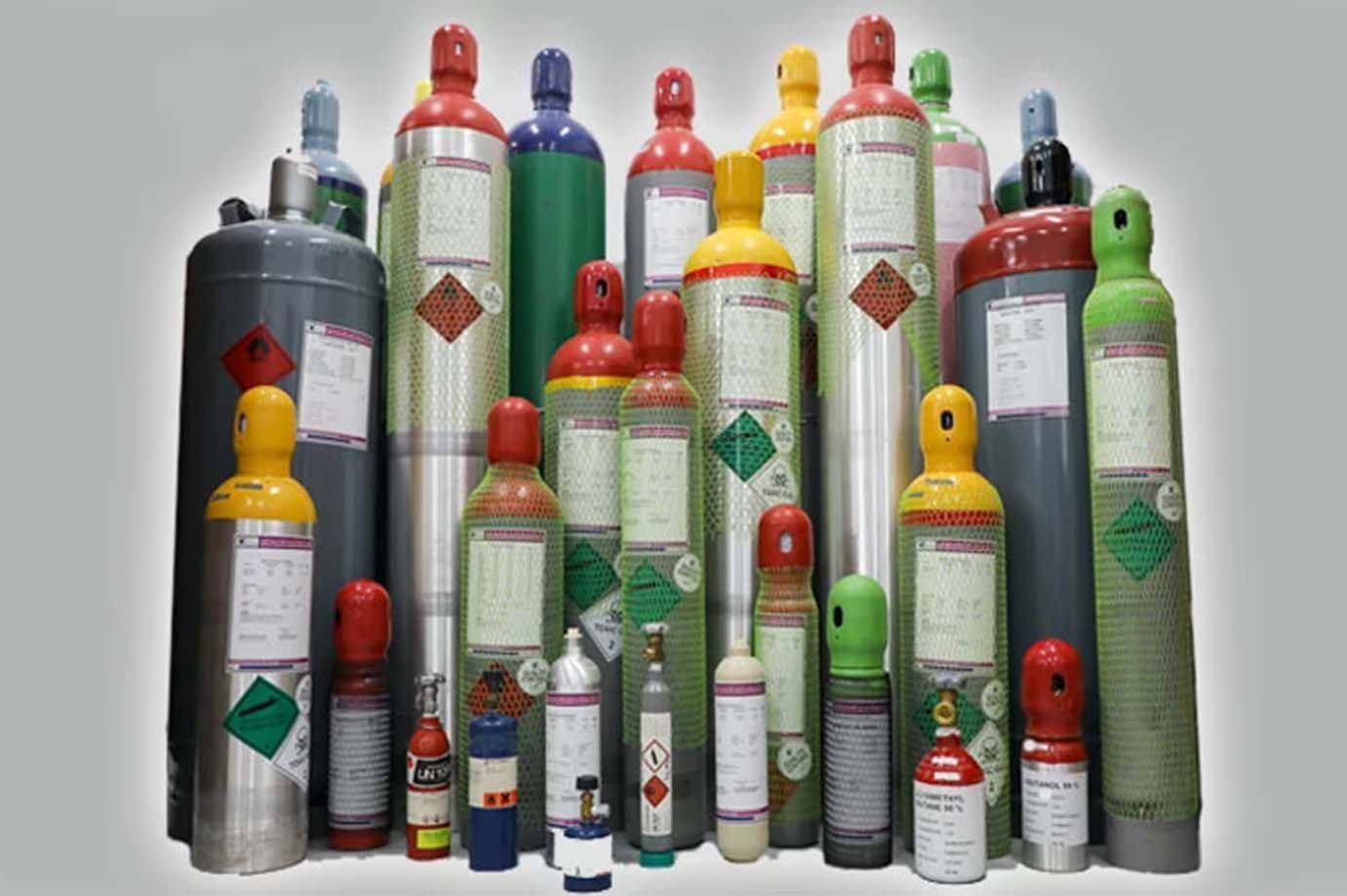
The use of calibration gases is essential in various industries across Australia, ranging from healthcare to manufacturing. Understanding how to properly handle and utilise these gases ensures accuracy in measurements and safety in operations.
Introduction to Calibration Gases
Calibration gases are gases used as comparative standards in the calibration of analytical instruments. These high-purity gases are crucial in maintaining the accuracy and reliability of measurements made by devices such as gas analysers and gas detectors.
Importance of Calibration
Regular calibration of analytical devices is vital to ensure precision in measurement. Inaccuracies can lead to significant inefficiencies and potential hazards, particularly in sectors such as environmental monitoring and industrial manufacturing where precise data is critical.
Types of Calibration Gases
Diverse types of calibration gases are available, each tailored for specific applications. Common examples include mixtures used for emissions testing, as well as pure gases required for more precise calibration processes.
Storing Calibration Gases
Proper storage of calibration gases is crucial to preserving their integrity. Cylinders should be stored upright in a stable, cool, and dry environment, ideally away from direct sunlight and sources of ignition.
Environmental Considerations
The proper disposal and handling of calibration gases are critical in minimising environmental impact. Organisations should ensure compliance with local regulations to reduce ecological harm.
Using Calibration Gases Safely
Safety is paramount when working with calibration gases. Personnel should be adequately trained, and safety equipment such as detectors and grounding devices should be used to prevent accidents.
Calibration Gas Mixtures
Custom gas mixtures are often required to meet specific industry standards. It is important to partner with reliable suppliers who can provide consistent quality and composition.
The Role of Pressure and Flow
The pressure and flow of calibration gases need to be carefully monitored and controlled during use. Calibration accuracy can be affected by variations in these parameters, which can, in turn, affect the performance of the analytical instrument.
Choosing the Right Supplier
When selecting a supplier for calibration gases, factors such as reliability, quality of product, and customer service should be considered. Coregas is a reputable supplier offering a range of options tailored to industry needs.
Technological Advances
Recent technological developments have improved the precision and reliability of calibration gases. Innovations in gas detection and analysis are continuously evolving, offering enhanced compatibility and function with various calibration devices.
Calibration Gas in Healthcare
In the healthcare sector, calibration gases are essential for respiratory analysis, anaesthetic delivery, and other applications. Maintaining the accuracy of these systems is critical for patient safety and effective treatment.
Laser Applications and Gas Calibration
The use of gases in laser technology demands specific calibration to ensure efficiency and precision. Gases like laser gas are formulated to meet exacting standards, optimising the performance of laser equipment.
Training and Certification
Proper training and certification in the use of calibration gases are crucial for operators. This education not only includes theoretical knowledge but also practical skills to handle gases effectively and safely.
Regulatory Compliance
Compliance with regulations is mandatory when dealing with calibration gases. Understanding and adhering to Australian standards will ensure that operations remain within legal requirements, thus avoiding penalties.
Future of Calibration Gases
As industries advance, the demand for precise calibration gases will continue to grow. Embracing emerging technologies and adhering to best practices will be key in supporting this essential aspect of industrial and scientific progress.