
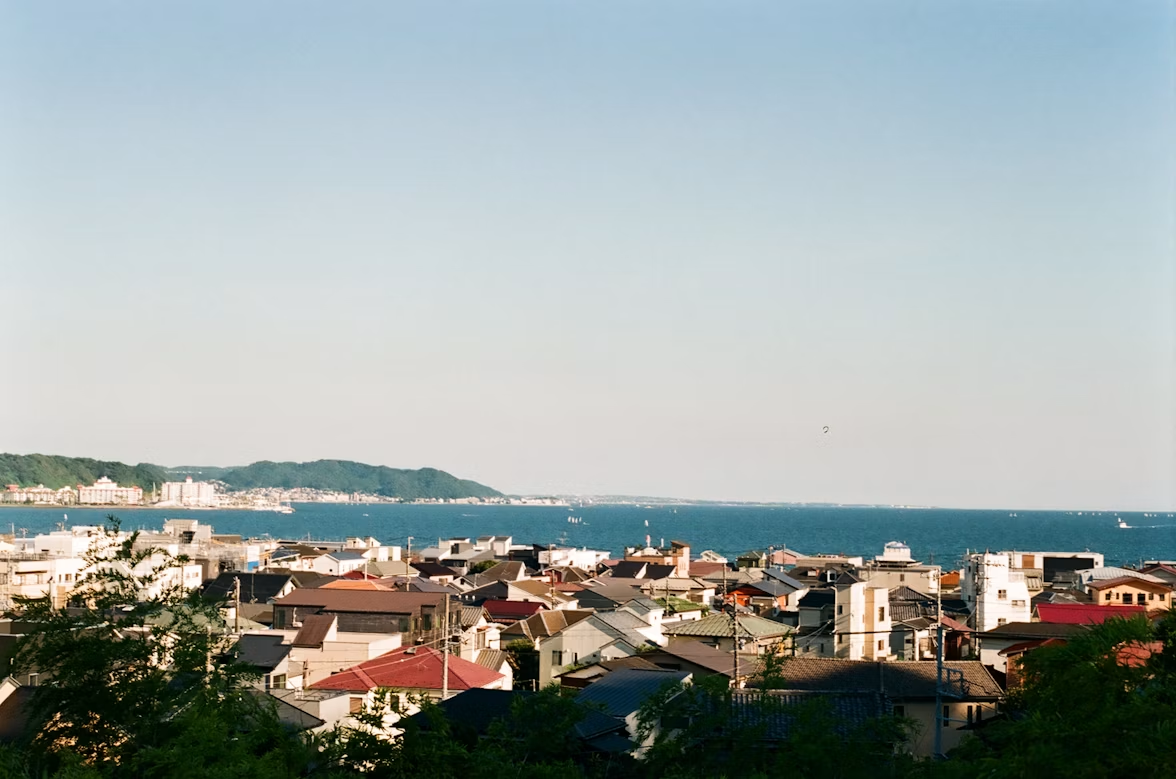
Japan presents an extraordinary journey through time. Ancient temples stand beside futuristic skyscrapers, centuries-old traditions remain part of daily life, and peaceful gardens exist only moments from some of the world’s busiest railway stations. Whether visitors are drawn by history, cuisine, architecture, or technology, Japan offers remarkable variety within a compact and easy-to-explore country. From lively metropolitan districts to former imperial capitals, every destination reveals another layer of its rich cultural identity.
Planning an Inspiring Japanese Adventure
Many first-time visitors choose organised tours to Japan because they provide an excellent introduction to the country’s remarkable diversity. Carefully planned itineraries often combine dynamic cities, historic landmarks, beautiful natural scenery, and efficient rail travel, allowing travellers to experience several regions without worrying about complex logistics.
These journeys typically balance famous attractions with quieter cultural experiences such as traditional gardens, local markets, and artisan workshops. For travellers hoping to gain a broad understanding of Japan, combining modern destinations with historic locations creates a rewarding and well-rounded holiday.
Beginning with a thoughtfully planned itinerary allows visitors to appreciate how seamlessly Japan connects its past with the present.
Tokyo’s Constant Reinvention
Tokyo is often described as one of the world’s most exciting cities, and for good reason. The capital constantly evolves while preserving historic neighbourhoods that continue to reflect centuries of tradition.
Districts such as Asakusa introduce visitors to temples and traditional shopping streets, while Shibuya and Shinjuku showcase illuminated skylines, entertainment venues, and contemporary architecture. Elegant parks and peaceful shrines offer moments of tranquillity within the busy metropolis, demonstrating the city’s remarkable balance.
Exploring Tokyo is as much about discovering everyday neighbourhoods as visiting internationally recognised landmarks. Small cafés, local bakeries, independent bookshops, and hidden gardens frequently become favourite discoveries.

Kyoto’s Enduring Heritage
Once the imperial capital of Japan, Kyoto remains the country’s cultural heart. Historic wooden streets, beautifully preserved temples, elegant gardens, and traditional tea houses create an atmosphere unlike anywhere else in the nation.
Visitors often spend days wandering through districts where artisan workshops continue producing ceramics, textiles, lacquerware, and handmade paper using techniques passed down through generations. Seasonal changes transform the city throughout the year, making every visit unique.
Kyoto rewards those who slow their pace, encouraging quiet reflection while exploring centuries of architectural and artistic achievement.
Osaka’s Warm Welcome
Osaka introduces another side of Japanese culture through its energetic atmosphere and celebrated culinary traditions. Known for its friendly residents and excellent street food, the city offers a more relaxed personality than Tokyo while remaining one of Japan’s most important commercial centres.
Busy markets, lively entertainment districts, riverside promenades, and impressive historical landmarks create endless opportunities for exploration. Osaka Castle serves as a reminder of the city’s historical significance, while surrounding parks provide attractive green spaces throughout the year.
Visitors often discover that Osaka’s welcoming spirit becomes one of the highlights of their journey.
Nara and the Origins of Japanese Civilisation
A short journey from Kyoto leads to Nara, Japan’s first permanent capital and one of the country’s most historically significant destinations. Ancient temples, sacred deer roaming spacious parks, and remarkable wooden architecture preserve the atmosphere of early Japanese civilisation.
The city’s peaceful setting encourages visitors to spend time exploring temple grounds, museums, and carefully maintained gardens. Nara provides valuable insight into the religious and cultural foundations that continue to influence Japanese society today.
Its relaxed atmosphere offers an enjoyable contrast to the country’s larger urban centres.
Modern Architecture and Creative Innovation
While Japan is rightly celebrated for its history, it also stands at the forefront of contemporary architecture and design. Cities throughout the country feature innovative public buildings, striking museums, and thoughtfully designed urban spaces that combine functionality with beauty.
Architectural creativity is evident in everything from railway stations and observation towers to art galleries and waterfront developments. Visitors interested in design often discover that modern Japan complements its historic landmarks rather than competing with them.
This harmony between innovation and tradition has become one of the country’s defining characteristics.
Gardens, Parks, and Natural Beauty
Nature plays an important role in Japanese culture. Carefully designed gardens, bamboo groves, mountain landscapes, and seasonal flowers provide peaceful escapes from urban life while reflecting traditional ideas about balance and harmony.
Spring cherry blossoms and autumn foliage attract visitors from around the world, but every season offers its own distinctive beauty. Public parks become gathering places where local families and travellers alike appreciate changing landscapes throughout the year.
These natural spaces contribute significantly to Japan’s unique cultural identity.
Regional Cuisine Across the Country
Food provides another rewarding way to experience Japan. Tokyo offers extraordinary variety, Kyoto celebrates refined seasonal cooking, and Osaka is famous for lively food markets and local specialities.
Smaller cities also contribute distinctive regional dishes prepared using fresh local ingredients. Railway stations often feature impressive food halls where travellers can purchase beautifully presented meals before continuing their journey.
Sampling different regional cuisines transforms every stop into a new cultural experience while highlighting the country’s remarkable culinary diversity.
Creating a Balanced Itinerary
Japan is best explored at a comfortable pace that combines famous attractions with quieter moments of discovery. Spending several days in each destination allows time to visit museums, neighbourhood cafés, local markets, gardens, and cultural workshops without feeling rushed.
Efficient public transport makes travelling between cities straightforward, giving visitors the freedom to include several regions within one holiday. Leaving space for unexpected discoveries often results in the most memorable experiences.
A balanced itinerary reveals that Japan’s greatest strength lies in its ability to celebrate both its remarkable history and its forward-looking spirit.
Conclusion
Japan offers an unforgettable combination of historic capitals, vibrant metropolitan centres, exceptional cuisine, and enduring cultural traditions. From Tokyo’s dynamic skyline and Osaka’s welcoming energy to Kyoto’s timeless beauty and Nara’s ancient heritage, every destination contributes something distinctive. Travellers who explore these remarkable cities will discover a country where innovation and tradition exist side by side, creating experiences that remain memorable long after the journey comes to an end.

