
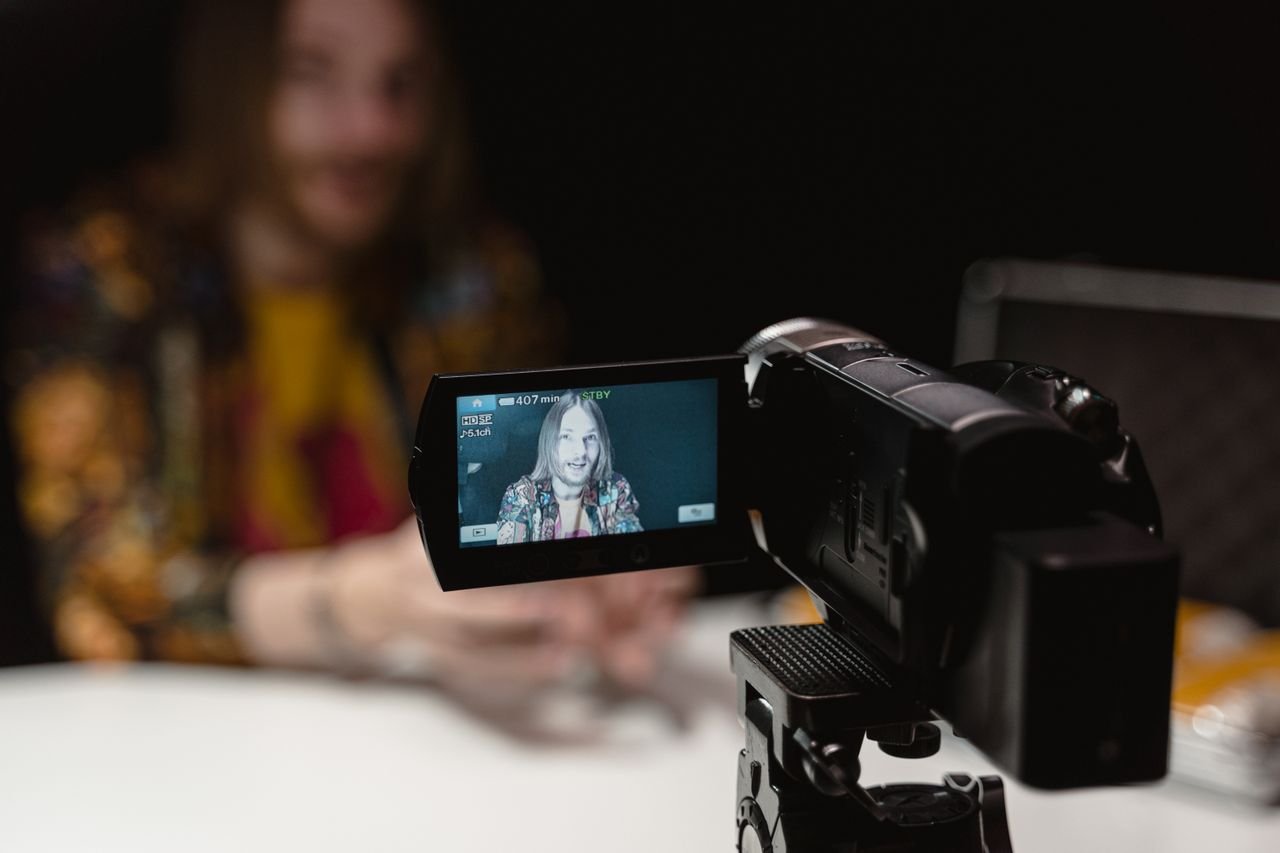
Video used to be the format that separated big brands from everyone else. A proper video meant a camera, an editor, and a budget most individuals and small businesses simply did not have. That gap is closing fast, thanks to a wave of AI video generators that can turn a written description or a single photo into a short, usable clip in minutes.
How AI Video Generation Works
The idea is fairly simple to explain, even if the technology behind it is not. You give the model a text prompt describing a scene, or you upload an image, and it generates a short video that matches. A seedance ai video generator, for example, supports both approaches, letting you either describe a scene from scratch or animate a photo you already have.
What separates a genuinely useful clip from a gimmicky one is consistency. The model needs to keep the same face, the same lighting, and the same setting across every frame of the clip. Earlier AI video tools often struggled with this, producing footage that flickered or warped halfway through. The newer generation of models has largely solved that problem, which is why this technology has started showing up in real content rather than just tech demos.
Why It Is Catching On
For content creators, the appeal is speed. Testing five video concepts used to mean five separate shoots. Now it can mean an afternoon of prompts and revisions. For small businesses, it means a product demo or a short ad no longer requires booking a videographer. For marketers, it means running creative variations of a campaign to see what actually resonates before spending a real production budget.
None of this replaces high end video production for major campaigns or brand films. But for everyday content, social posts, and quick creative testing, it fills a gap that used to be expensive to fill.
What to Keep in Mind
Generated clips are typically short, usually a few seconds up to around fifteen seconds, so they work best as standalone social content or as pieces that get combined into a longer edit. Prompt quality also matters more than people expect. A vague description tends to produce a vague result, while being specific about the subject, the setting, and the camera movement usually leads to a noticeably better clip.
It is also worth generating a few variations rather than expecting the first attempt to be perfect. Small adjustments to a prompt can change the result significantly, and treating it as an iterative process tends to produce better results than trying to nail it in one go.
Final Thoughts
AI video generation will not replace a proper production team for high stakes work, but it has quietly become a practical tool for everyday content creation. If video has been on your list of things to try but the cost or time involved kept getting in the way, it is worth a look now that the technology has caught up with the idea.

