
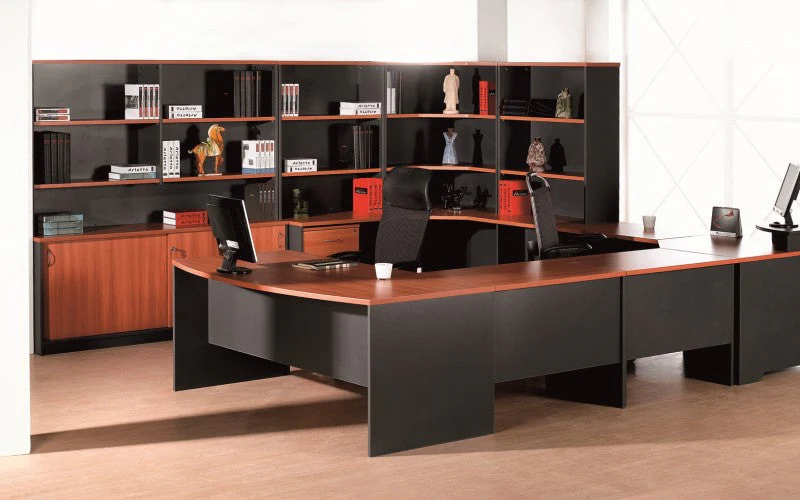
In today’s dynamic workplace environment, selecting the right office desk is more important than ever. A well-chosen desk can significantly enhance productivity and comfort, making it a crucial decision for any professional setting. Whether you are setting up a home office or redesigning a corporate space, understanding the types of desks available can aid in making an informed choice.
Understanding Your Needs
The first step in selecting an office desk is understanding your specific needs. Consider the nature of your work and the tasks you perform regularly. If you require more surface area for multiple monitors or paperwork, a larger desk may be necessary. On the other hand, if your workspace is limited, you might opt for a more compact design.
Types of Office Desks
Executive Desks
Executive desks are often larger and more imposing, providing a substantial workspace. They are designed for managers and executives who need ample space for computers, paperwork, and meetings.
Computer Desks
Computer desks are tailored for those who primarily work with computers. They usually come with features such as keyboard trays and cable management solutions to enhance usability and comfort.
Standing Desks
Standing desks are gaining popularity due to health benefits associated with reducing sedentary time. These desks allow you to alternate between sitting and standing, promoting better posture and energy levels.
Material Consideration
The material of the desk not only contributes to the aesthetic appeal but also to durability and maintenance. Common materials include wood, metal, and glass, each offering distinct advantages.
Wooden Desks
Wooden desks provide a classic and warm look, offering durability and a variety of finishes. They are ideal for traditional office settings and offer a robust solution.
Metal Desks
Metal desks are known for their strength and modern style. They require less maintenance and are suitable for high-traffic areas or more contemporary office designs.
Glass Desks
Glass desks offer a sleek and modern appearance, often used in modern offices that require a touch of elegance. While aesthetically pleasing, they may require more maintenance to keep clean.
Ergonomics and Comfort
Ergonomics should not be overlooked when choosing an office desk. A desk that supports proper posture can reduce the risk of musculoskeletal issues and increase comfort during long working hours.
Consider the desk’s height, the space for monitor placement, and the chair compatibility. Combining these elements creates an ergonomic workspace conducive to productivity.
Customisation Options
Many office desks offer customisation options, allowing businesses to tailor them to fit specific requirements and brand aesthetics. This may include adjustable heights, additional storage solutions, or specific materials and colours.
Budget Considerations
Budget is often a crucial factor in office desk selection. Determine your budget range early in the decision-making process to help narrow down your options and avoid overspending.
While some desks may be more affordable, investing in a quality desk can offer long-term savings through durability and improved employee satisfaction.
Conclusion
Choosing the right office desk is a multifaceted decision that involves considering factors such as space, material, ergonomics, and budget. By evaluating these aspects, you can select a desk that enhances productivity and aligns with your workspace’s aesthetic.
Explore the variety of desks available to find the perfect fit for your office environment. Investing time in the selection process will pay dividends in creating an efficient and comfortable workspace.