
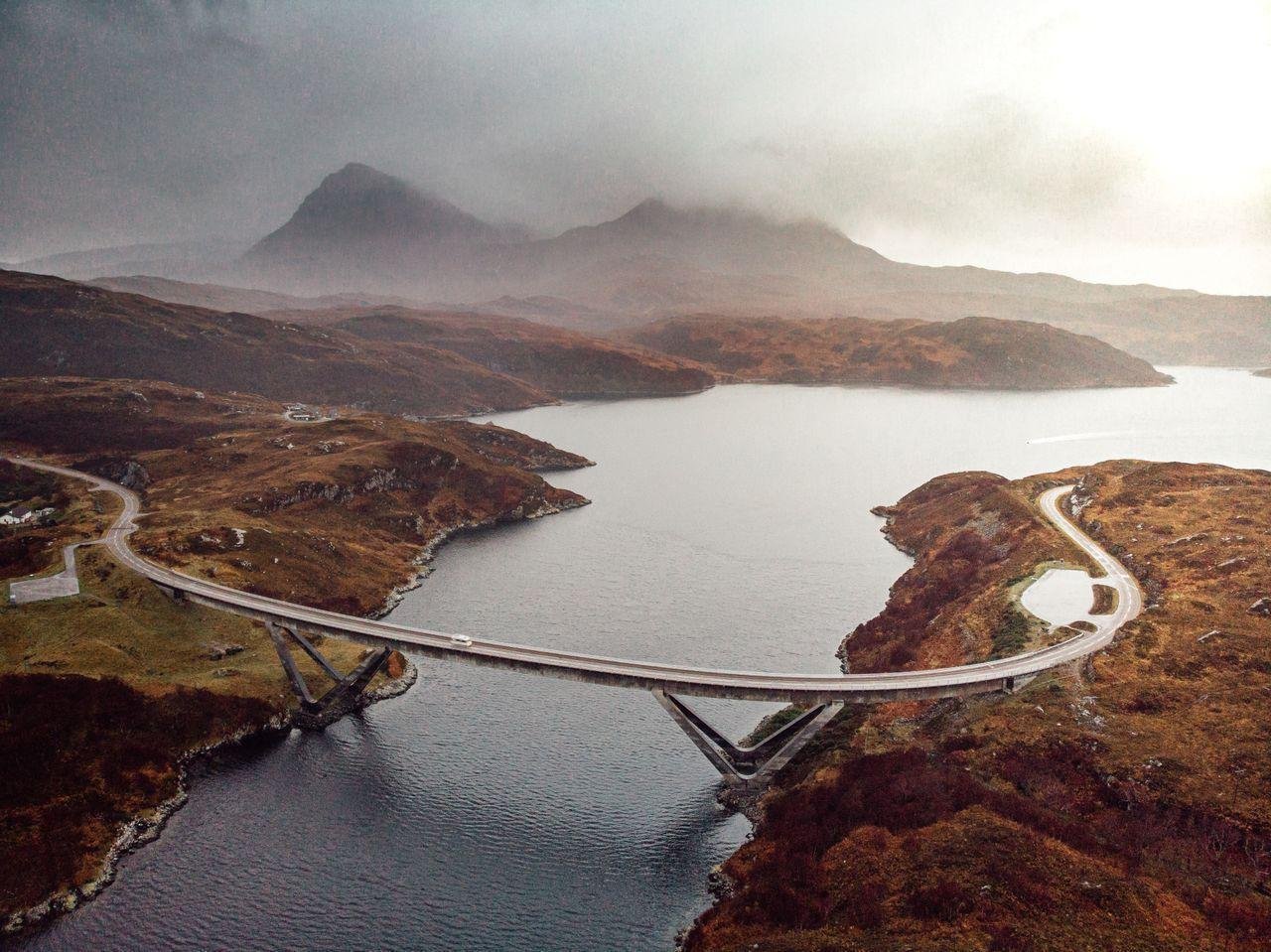
The North Coast 500 winds across miles of undeveloped coastline, lonely highland roads, beaches, communities, and historic sites. Miles and famous places can help folks arrange their days. Toddler rhythms vary. Meals, naps, loo stops, restless spells, and mood shifts can quickly tire an ambitious driving schedule.
A relaxed approach gives families time to enjoy the road without spending most of the holiday in the car. Luxury motorhome hire in Scotland provides space for dining, changing, napping, and evening routines. The automobile helps, but taking shorter drives and being flexible makes the difference.
Additional Itinerary Days
The official North Coast 500 recommendation is five to seven days, or longer if possible. Families with toddlers may choose to complete the trek in 8 to 10 days. Allowing extra time for weather changes, slower roads, and impromptu family stops makes driving to a far overnight stop easier.
Plan Your Day Around Natural Breaks
When toddlers’ schedules match, driving is easier. An early departure lets the child relax, then a longer lunch and movement break. An additional piece can match a midday nap. No long drive is guaranteed. A toddler who won’t sleep could ruin the rest of the day.
Think Hours, Not Miles
Map distances might be misleading in The Highlands. Some parts of the route have narrow or single-track roads, passing places, curves, and slower cars. So a short journey may take longer than expected, especially with a larger vehicle. Setting a daily distance goal is more demanding than preparing for driving time.
Choose One Main Stop per Day
Seeking every beach, castle, viewpoint, and wildlife attraction will quickly become overwhelming. Make one daily activity your main one and everything else optional. A child can enjoy a quick break at the beach, in the woods, in a castle garden, or with animals. A simple plan lets a family stay longer in a successful property.
Free-form movement is important for toddlers in a car seat. Allow them to run, climb, and explore. Instead of roadside breaks, take regular movement breaks. Refresh yourself at beaches, safe green spaces, visitor attractions, and family-friendly campsites. The official agenda includes wildlife encounters and historical places, but youngsters may be just as delighted with an open beach.
Practical Overnight Stops
A beautiful campsite is appealing, but facilities and location matter too. Families benefit from reliable bathrooms, showers, garbage disposal, water, and a safe space for kids to play. Staying close to the next day’s initial stop prevents long morning trips. The official advice for motorhome travellers is to use appropriate areas and to dispose of trash carefully.
Keep Supper and Bedtimes Consistent
When you travel, you see new places, so having a pattern may help in the evenings. Keep your favourite books, snacks, and easy dinners close at hand. Parents shouldn’t put important things in storage that aren’t meant for kids after making the beds. If you do the same thing every night before bed, the RV will feel more like a home than just a place to sleep.
Allow Plan Changes
Weather, fatigue, driving, and family mood may need an earlier stop or shorter day. Variable booking and alternate campsites can prevent a single alteration from ruining a trip. It should benefit the family rather than be a deadline.
Toddler Pace Path
On mild days, the North Coast 500 is particularly enjoyable for families. Short journeys, meaningful breaks, routines, and fair expectations help parents and children relax and appreciate their environment. Slower travel takes longer, but family memories endure a lifetime.
Image attributed to Pexels.com

