
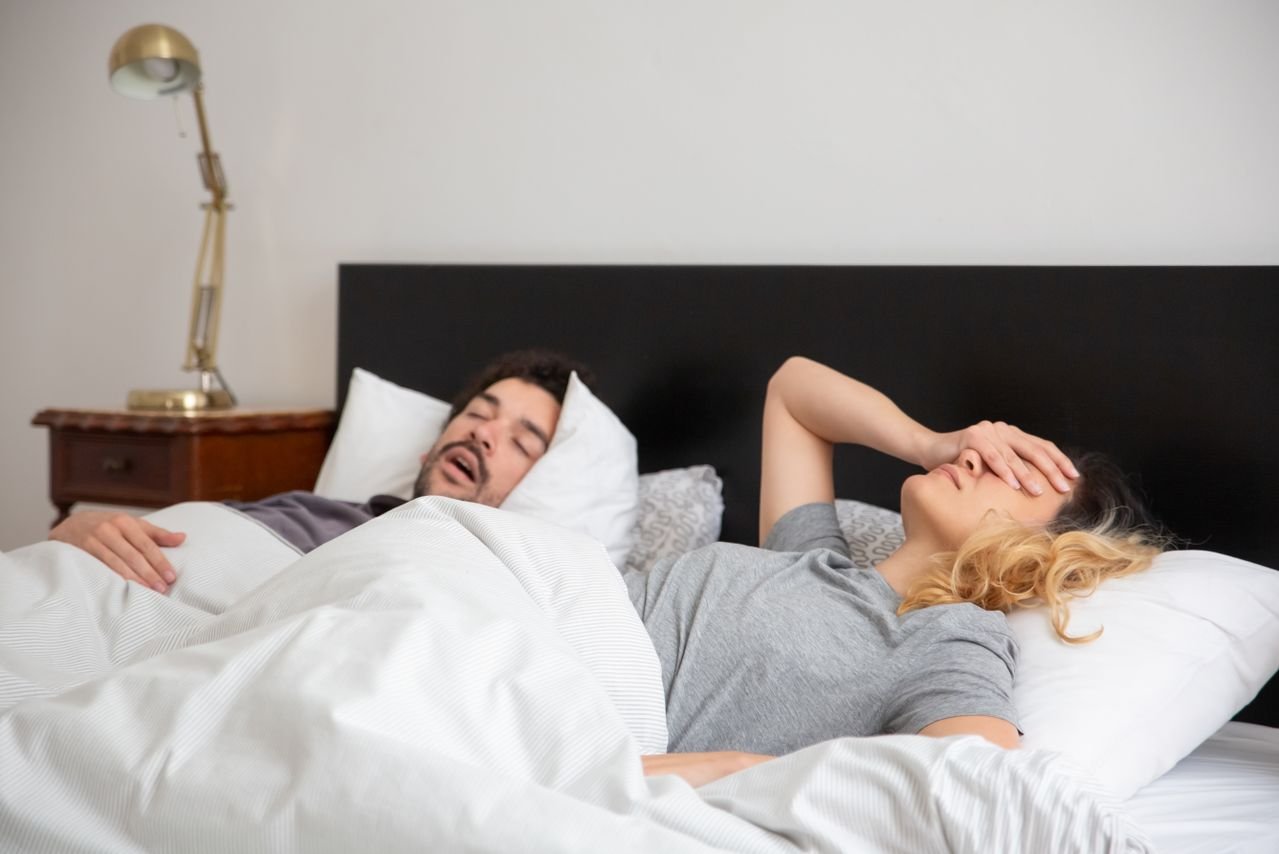
A sleep study is a medical test used to assess how a person sleeps and whether there are signs of sleep disorders such as obstructive sleep apnea (OSA). For patients who snore loudly, wake up gasping, feel tired despite sleeping, or have witnessed breathing pauses during sleep, a sleep study may help determine whether sleep apnea is present.
Sleep apnea occurs when the upper airway becomes narrowed or blocked during sleep, causing repeated interruptions to breathing. These interruptions can affect sleep quality and may contribute to daytime symptoms such as fatigue, poor concentration and morning headaches.
A sleep study helps ENT doctors understand breathing patterns, sleep quality and other body functions during sleep so that appropriate treatment options can be discussed.
What Is a Sleep Study?
A sleep study, also known as polysomnography, is a test that records different body functions while a person sleeps. It helps doctors assess whether breathing interruptions occur during sleep and how they affect the body.
A sleep study may monitor:
- Breathing patterns
- Oxygen levels
- Heart rate
- Brain activity
- Eye movements
- Muscle activity
- Body movements
- Sleep stages
- Snoring patterns
The information collected can help determine whether a person has sleep apnea and how severe it may be.
Why Is a Sleep Study Recommended?
A sleep study may be recommended when symptoms suggest possible sleep apnea or another sleep-related breathing condition.
Common reasons include:
- Loud and frequent snoring
- Witnessed pauses in breathing during sleep
- Waking up choking or gasping
- Excessive daytime sleepiness
- Morning headaches
- Poor concentration
- Restless sleep
- Frequent nighttime waking
- Dry mouth upon waking
- High blood pressure with sleep symptoms
- Suspected sleep-related breathing problems in children
Not everyone who snores has sleep apnea. A sleep study helps distinguish between simple snoring and a sleep disorder requiring treatment.
Types of Sleep Studies
Depending on the patient’s symptoms and risk factors, doctors may recommend different types of sleep tests.
1. Overnight Sleep Study at a Sleep Centre
An overnight sleep study involves staying at a sleep centre or hospital while sleep-related measurements are recorded.
During the study, sensors may monitor:
- Brain waves
- Breathing effort
- Oxygen levels
- Heart activity
- Eye movements
- Muscle activity
A technician may help set up the equipment before the patient goes to sleep.
2. Home Sleep Study
Some patients may be suitable for a home sleep study. This allows sleep monitoring in the patient’s usual sleeping environment.
A home sleep test may record:
- Breathing patterns
- Oxygen levels
- Heart rate
- Snoring
- Breathing interruptions
The suitability of a home sleep test depends on the patient’s symptoms, medical history and doctor’s assessment.
What Happens Before a Sleep Study?
Before the sleep study, the doctor may review:
- Snoring history
- Sleep habits
- Daytime symptoms
- Medical conditions
- Medication use
- Previous sleep-related concerns
Patients may be asked about:
- How often they snore
- Whether someone notices breathing pauses
- Whether they wake up choking
- Whether they feel tired during the day
- Whether they fall asleep unintentionally
Keeping a sleep diary before the test may also help provide additional information.
How to Prepare for a Sleep Study
Preparation instructions may vary depending on the type of sleep study.
Patients may be advised to:
- Maintain their usual sleep schedule
- Avoid excessive caffeine before the test
- Avoid alcohol unless advised otherwise
- Bring comfortable sleepwear
- Bring regular medication
- Avoid applying creams or oils that may affect sensor placement
- Follow the clinic’s instructions carefully
Patients should ask whether they can continue their usual medication before the test.
What Happens During a Sleep Study?
During an overnight study, sensors are placed on different parts of the body to collect information while the patient sleeps.
The process may involve:
- Arriving at the sleep centre
- Completing registration and preparation
- Having monitoring sensors attached
- Sleeping in a private room
- Having sleep activity recorded overnight
- Removing equipment the following morning
The equipment may feel unfamiliar at first, but the goal is to monitor normal sleep as much as possible.
Understanding Sleep Study Results
After the study, a doctor reviews the results and looks at different measurements.
Results may include information about:
- Number of breathing interruptions
- Oxygen level changes
- Sleep quality
- Sleep stages
- Snoring patterns
- Body movements
One measurement used in sleep apnea assessment is the Apnea-Hypopnea Index (AHI), which reflects the number of breathing interruptions during sleep.
The doctor will interpret the results together with symptoms, examination findings and medical history.
What Happens After a Sleep Study?
After diagnosis, treatment depends on:
- Severity of sleep apnea
- Location of airway obstruction
- Symptoms
- Overall health
- Patient preferences
Possible treatment options may include:
- Lifestyle changes
- Weight management where appropriate
- CPAP therapy
- Oral appliance therapy
- Nasal treatment
- ENT procedures or surgery in selected patients
The goal is to improve airflow during sleep and reduce breathing interruptions.
When Should You See a Doctor About Snoring or Sleep Symptoms?
Seek medical advice if snoring is associated with:
- Breathing pauses during sleep
- Gasping or choking episodes
- Excessive daytime tiredness
- Morning headaches
- Difficulty concentrating
- Poor sleep quality
- High blood pressure
- Waking frequently at night
A sleep study may help determine whether symptoms are caused by sleep apnea or another condition.
A sleep study is an important tool for diagnosing obstructive sleep apnea and understanding how breathing interruptions affect sleep. It allows doctors to assess sleep patterns, breathing changes, oxygen levels and other factors that may contribute to symptoms.
Patients who experience loud snoring, daytime fatigue, gasping during sleep, or witnessed breathing pauses should consider seeking medical advice. Early assessment can help identify sleep problems and guide suitable treatment options.

