
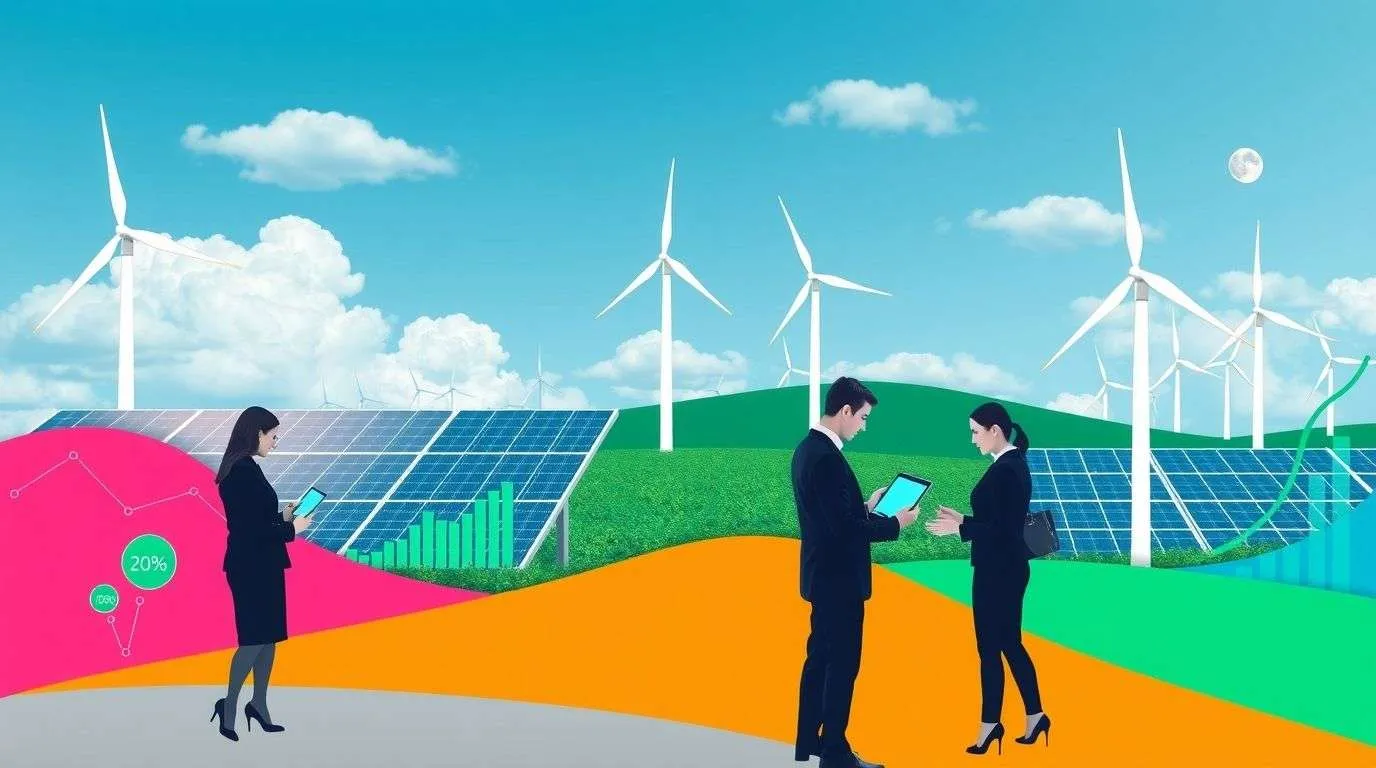
The renewable energy sector in the United States is experiencing unprecedented growth, driven by technological advancements, regulatory support, and a shift in consumer and corporate priorities toward sustainability. As the world transitions away from fossil fuels, understanding the dynamics of the U.S. renewable energy market is crucial for businesses, investors, and policymakers seeking to capitalize on emerging opportunities.
With renewable energy now accounting for an increasing share of electricity generation, economic development, and employment, staying informed about market size, trends, and growth projections can help stakeholders make strategic decisions. This post will provide a detailed overview of the current state of the U.S. renewable energy market, key trends shaping its trajectory, and practical insights for those looking to engage with this rapidly evolving industry.
US Renewable Energy Market Overview
The U.S. renewable energy market has seen significant expansion over the past decade. Renewable energy sources—including solar, wind, hydropower, and bioenergy—now make up a growing portion of the nation’s electricity generation mix.
Market Size and Share
As of recent estimates, renewable energy contributes over 20% of total electricity generation in the U.S., with solar and wind power being the fastest-growing segments. Factors influencing market size include federal and state incentives, declining technology costs, and increasing corporate demand for clean energy solutions.
Key Players and Stakeholders
The market includes utility-scale energy producers, independent power producers, and a range of technology providers. Collaborating with a renewable energy marketing company can help these players enhance visibility, educate stakeholders, and build a strong market presence in an increasingly competitive landscape.
Emerging Trends in U.S. Renewable Energy
The U.S. renewable energy market is influenced by multiple trends that are shaping both current operations and future investments.
Technological Advancements
- Solar Photovoltaics (PV): Improvements in panel efficiency and energy storage solutions are making solar more accessible for residential, commercial, and utility-scale projects.
- Wind Energy: Onshore and offshore wind technologies are becoming more efficient and cost-effective, expanding their adoption across regions.
- Energy Storage: Battery technology advances are addressing intermittency challenges and enabling more reliable integration of renewable energy into the grid.
Policy and Regulatory Support
Federal incentives, state-level Renewable Portfolio Standards (RPS), and tax credits, such as the Investment Tax Credit (ITC) for solar, continue to drive growth. These policies encourage investment in both new projects and infrastructure upgrades.
Corporate Sustainability Commitments
Many corporations are setting ambitious renewable energy targets, from powering operations with 100% renewable electricity to investing in renewable energy projects. This demand is fueling market expansion and creating new opportunities for developers, technology providers, and service companies.
Investment and Growth Opportunities
Understanding where the market is headed can help investors and businesses identify high-potential areas for growth.
Solar Energy Expansion
The solar sector remains one of the most attractive areas for investment due to falling installation costs and government incentives. Residential solar adoption is growing, while utility-scale solar projects continue to expand across sunny regions in the U.S.
Practical Tip: Companies involved in solar panel manufacturing, installation services, or maintenance can leverage digital marketing strategies to reach homeowners and commercial clients, optimizing lead generation and brand awareness.
Wind Energy Development
Wind energy, particularly offshore projects, represents a significant growth opportunity. Coastal states are investing in offshore wind farms, and new turbine technologies are enabling greater efficiency and output.
Energy Storage and Grid Modernization
Battery storage, smart grid technologies, and microgrids are essential for integrating renewable energy at scale. Investment in storage solutions is expected to accelerate as grid operators prioritize reliability and resilience.
Use Case: An energy provider can combine solar installations with battery storage to offer consumers consistent power supply while participating in demand response programs.
Market Challenges and Considerations
While the growth potential is substantial, several challenges must be addressed for sustained market expansion.
Intermittency and Grid Integration
Renewable energy sources such as solar and wind are intermittent by nature. Efficient grid management, energy storage, and advanced forecasting technologies are essential to ensure a reliable energy supply.
Supply Chain and Material Constraints
The production of renewable energy equipment, including solar panels and wind turbines, depends on materials that may face supply chain disruptions. Diversifying suppliers and investing in domestic manufacturing capabilities can mitigate risks.
Competition from Traditional Energy
Despite renewable energy’s growth, fossil fuels remain a significant portion of the U.S. energy mix. Balancing renewable adoption with existing energy infrastructure is critical, particularly in regions with heavy reliance on coal or natural gas.
Collaborating with an oil and gas ui/ux design services firm can help traditional energy companies integrate digital solutions for better market positioning while exploring renewable diversification strategies.
Strategic Insights for Businesses and Investors
To successfully navigate the U.S. renewable energy market, businesses and investors should consider the following strategies:
Market Research and Analysis
Conduct thorough research on regional market conditions, policy incentives, and emerging technologies. Understanding local dynamics allows for better decision-making regarding project development, partnerships, and investments.
Strategic Partnerships
Form alliances with technology providers, construction firms, and service providers to accelerate project deployment. Partnerships with companies specializing in marketing, like a centric renewable energy marketing agency, can enhance visibility and outreach efforts.
Leveraging Digital Channels
Effective digital marketing, including website optimization, social media campaigns, and content marketing, is essential for educating stakeholders, attracting investors, and building brand credibility.
Practical Tip: Renewable energy businesses should invest in targeted campaigns to reach both B2B and B2C audiences, highlighting environmental benefits, financial incentives, and technological innovation.
Future Outlook of the U.S. Renewable Energy Market
The U.S. renewable energy market is expected to continue its strong growth trajectory. Key drivers for future expansion include:
- Declining technology costs: Solar panels, wind turbines, and battery storage are becoming more affordable.
- Policy support: Continued government incentives and clean energy targets will encourage investment.
- Corporate demand: Businesses seeking to meet sustainability goals will drive large-scale adoption of renewable solutions.
- Innovation in energy storage and grid management: Enhancements in storage technology and grid efficiency will improve reliability and scalability.
As renewable energy adoption increases, traditional energy companies, technology startups, and service providers will all find opportunities to innovate, expand, and capture market share.
Conclusion
The U.S. renewable energy market presents an exciting and rapidly evolving landscape. From technological advancements in solar and wind to the growing importance of energy storage and grid modernization, the sector offers substantial growth potential for businesses and investors alike. Understanding market size, trends, and key drivers is essential for strategic planning and long-term success.
By recognizing emerging opportunities, navigating challenges, and leveraging partnerships with specialized agencies, renewable energy stakeholders can position themselves to thrive in a market that is increasingly central to the nation’s economic and environmental future. Staying informed and proactive ensures that companies are not only part of the transition to clean energy but are also positioned to capitalize on its economic and social benefits.

