
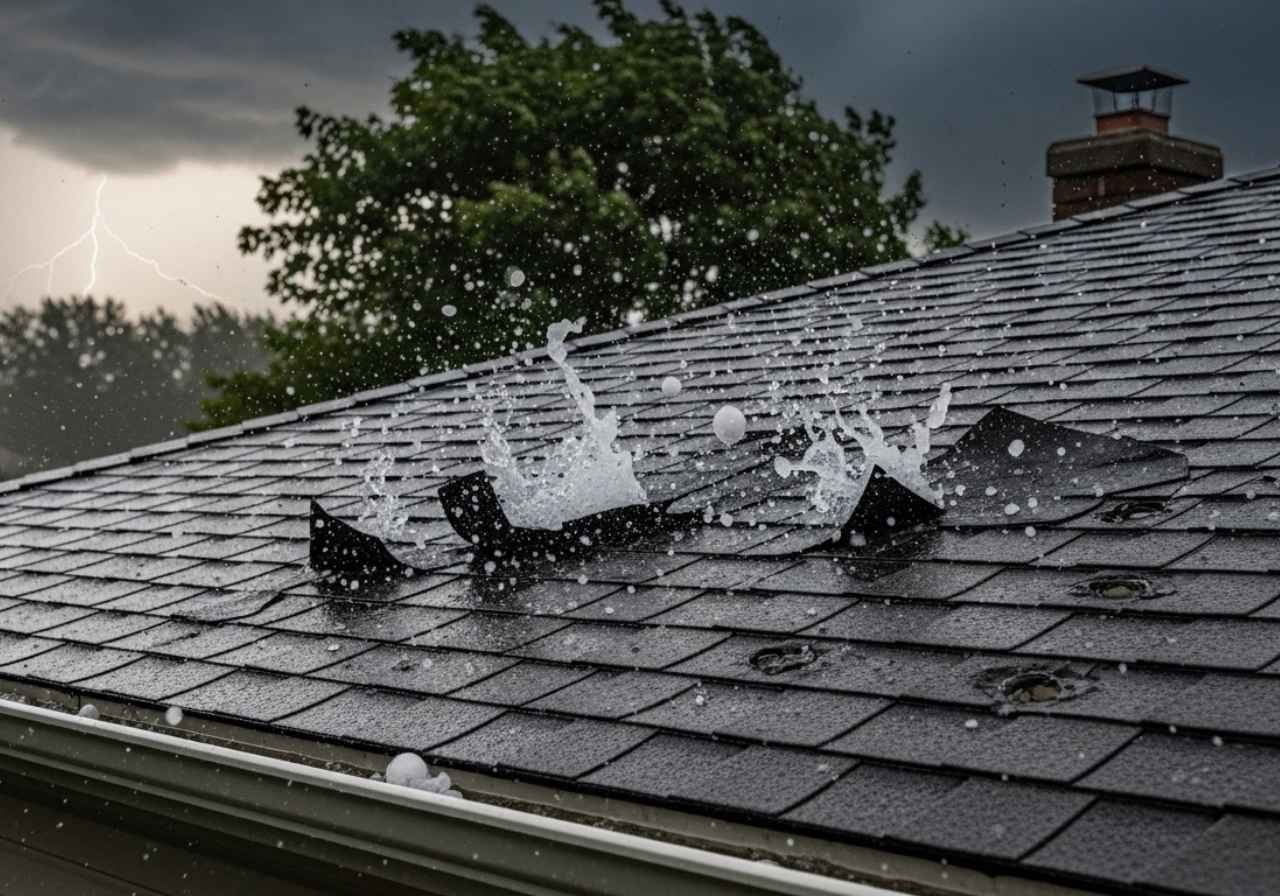
Frequent storms and humid weather create unique challenges for homes in Louisiana. The combination of high winds, heavy rain, and intense heat can significantly affect how long a roof lasts. Understanding these seasonal patterns helps homeowners plan maintenance and protect their investment.
Weather Patterns That Affect Roof Longevity
Louisiana’s climate brings long periods of humidity followed by sudden thunderstorms or tropical systems. These extreme shifts cause roofing materials to expand and contract rapidly, leading to wear over time. Prolonged exposure to sunlight also weakens shingles, making them more vulnerable when storms arrive.
During the most active storm months, strong winds can lift shingles, allowing water to seep underneath. Once moisture penetrates the surface, it can damage decking and insulation, reducing energy efficiency and structural integrity.
The Role of Roofing Materials
Different roofing materials respond differently to seasonal stress. Asphalt shingles are common but may age faster under intense heat and repeated moisture. Metal roofing provides durability but requires secure fastening to resist wind uplift. Tile and slate options offer longevity but can crack if impacted by debris during a storm.
Choosing materials suited for local conditions is essential. A professional inspection of residential roofing can identify weak points and suggest materials that perform well in high-humidity and storm-prone environments.
Signs of Storm-Related Roof Damage
After severe weather, small problems can develop into major issues if not addressed quickly. Homeowners should routinely check for visible damage or subtle warning signs.
- Missing or curled shingles
- Dark streaks or water stains on ceilings
- Loose flashing around chimneys or vents
- Granule buildup in gutters
- Unusual sagging in roof areas
Even if a roof looks intact from the ground, hidden damage can shorten its expected lifespan. Regular assessments and prompt repairs prevent minor issues from escalating into costly replacements.
Maintenance Practices Between Storm Seasons
Proper upkeep between storm seasons can extend a roof’s service life. Cleaning gutters ensures that rainwater flows freely and prevents pooling. Trimming nearby branches reduces the risk of impact during high winds. Checking sealants and flashing helps maintain a watertight barrier around openings.
Scheduling maintenance before and after the storm season helps identify areas that need attention. Keeping detailed records of inspections and repairs also supports insurance claims if future damage occurs.
When Replacement Becomes Necessary
Eventually, every roof reaches a point where repairs are no longer sufficient. Frequent leaks, widespread shingle loss, or persistent mold growth indicate that replacement may be the practical choice. A timely storm roof replacement can restore protection and improve energy efficiency.
Newer materials and modern installation methods often provide better resistance to wind and moisture. Investing in a durable system designed for local weather can help reduce long-term maintenance costs and extend the roof’s useful life.
Preparing for Future Storm Seasons
Understanding how Louisiana’s storm cycles affect roofing helps homeowners make informed decisions. By combining appropriate materials, routine maintenance, and professional evaluations, it is possible to withstand severe weather while maintaining a safe, efficient home. Proactive care remains the most effective strategy for extending the lifespan of any roof in a storm-prone region.

