
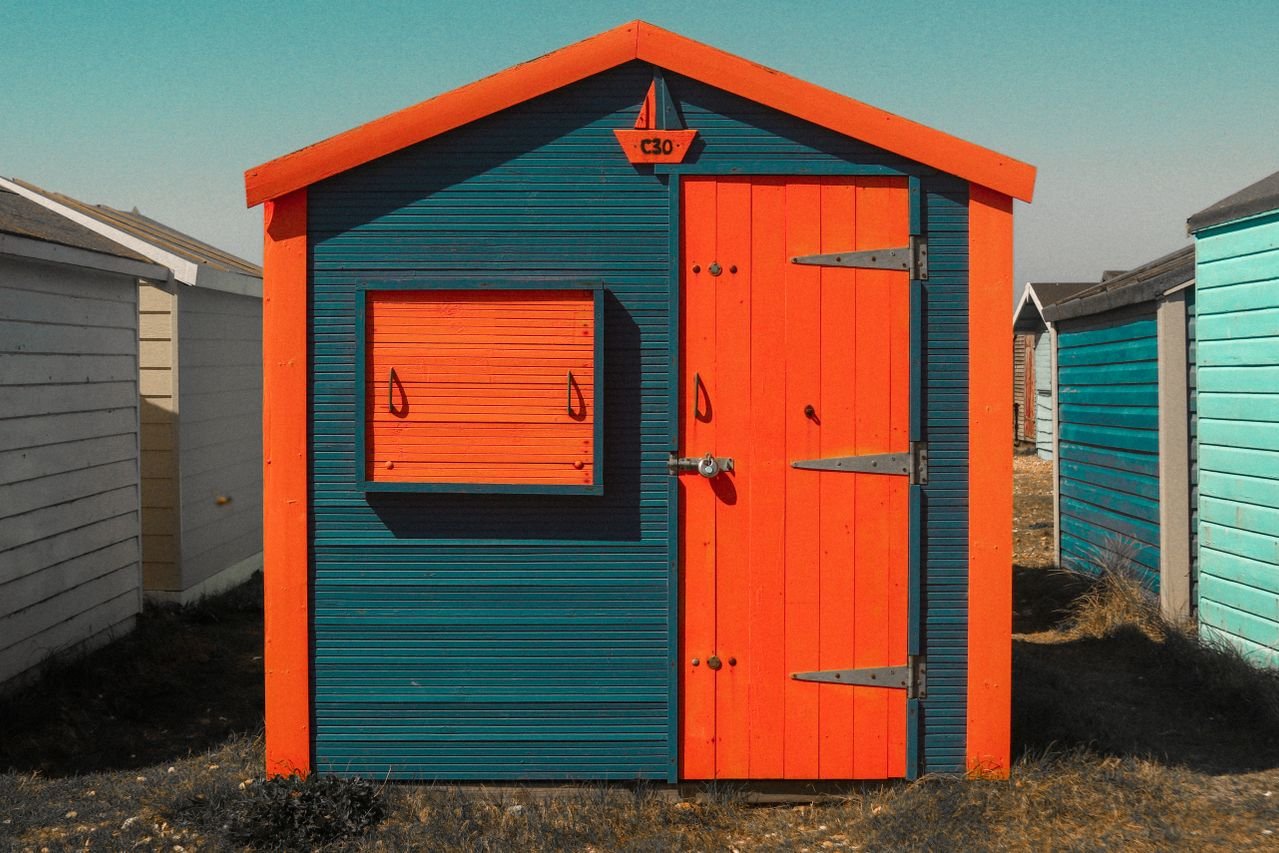
Most people think about the shed itself first. Fair enough, you want something that looks good and fits the space. But the base underneath matters just as much, maybe more. Get it wrong and you’ll be dealing with a wonky door or a floor that rots out in a couple of years.
Why the base isn’t just an afterthought
A shed sat on uneven ground will twist over time. Doors stop closing properly, panels shift, and water starts pooling where it shouldn’t. It’s one of those jobs that seems boring compared to picking a shed design, but skipping it causes more headaches than anything else.
Concrete, paving slabs, or a timber frame base all work, depending on your garden and budget. Slabs are cheap and easy for a weekend job. Concrete lasts longer but takes more effort and drying time. A Timber shed foundation is a decent middle ground if you want something solid without pouring concrete yourself.
What actually goes wrong without one
Damp is the big one. If your shed sits directly on soil or grass, moisture creeps up from underneath no matter what timber you’ve used. Doesn’t matter how good the shed is, the bottom rots first and you won’t notice until it’s too far gone.
Pests are another issue. Bare ground invites woodlice, ants, and worse. A raised base with a bit of airflow underneath keeps most of that away. It’s not glamorous but it works.
A quick word on levelling
Don’t assume your garden is flat just because it looks flat. Get a spirit level out before you commit to anything. Even a slight slope causes problems once the shed’s full weight is sat on it. Takes ten minutes to check, saves a lot of hassle later.
Choosing the right timber for the job
This is where pressure treated timber comes into it. Ordinary timber looks fine on the shelf but it hasn’t been through the same process, so it soaks up water and starts to break down within a few seasons, especially in a British climate where it rains more than it doesn’t.
Pressure treatment forces preservative deep into the wood fibres rather than just coating the surface. That’s the actual difference. A coat of paint or varnish sits on top and wears off. Treatment goes in and stays in, so the wood resists rot and insect damage from the inside out. There’s a good breakdown of this over on the Pressure treated garden shed page if you want the full detail.
It costs a bit more upfront. Worth it though, especially if you’re not planning to replace the shed every five years.
Cladding matters too!
Overlap cladding sheds off water quite well because the boards layer over each other, similar to roof tiles. Shiplap looks neater and gives a tighter seal, but check it’s been treated properly regardless of style. A nice looking shed with untreated cladding will still let you down.
Sorting drainage around the shed
Even with a good base and treated timber, water pooling around the shed causes problems over time. Check where rain runs off your roof and make sure it’s not draining straight against the shed wall. A simple gravel strip or a slight slope away from the base handles most of this.
Gutters on a shed sound excessive but they’re not a bad shout if your roof drains onto a path or a bit of lawn that gets soggy. Doesn’t need to be fancy, just enough to redirect the water somewhere sensible.
Putting it together
None of this is complicated on its own. Base, timber treatment, drainage. But people tend to focus on the shed itself and treat everything underneath as an afterthought, and that’s usually where things go wrong first.
Spend a bit more time getting the groundwork sorted and the shed lasts years longer without any fuss. It’s not the exciting part of the job, but it’s the part that actually matters once the shed’s up and you’ve forgotten about it for a while.

