
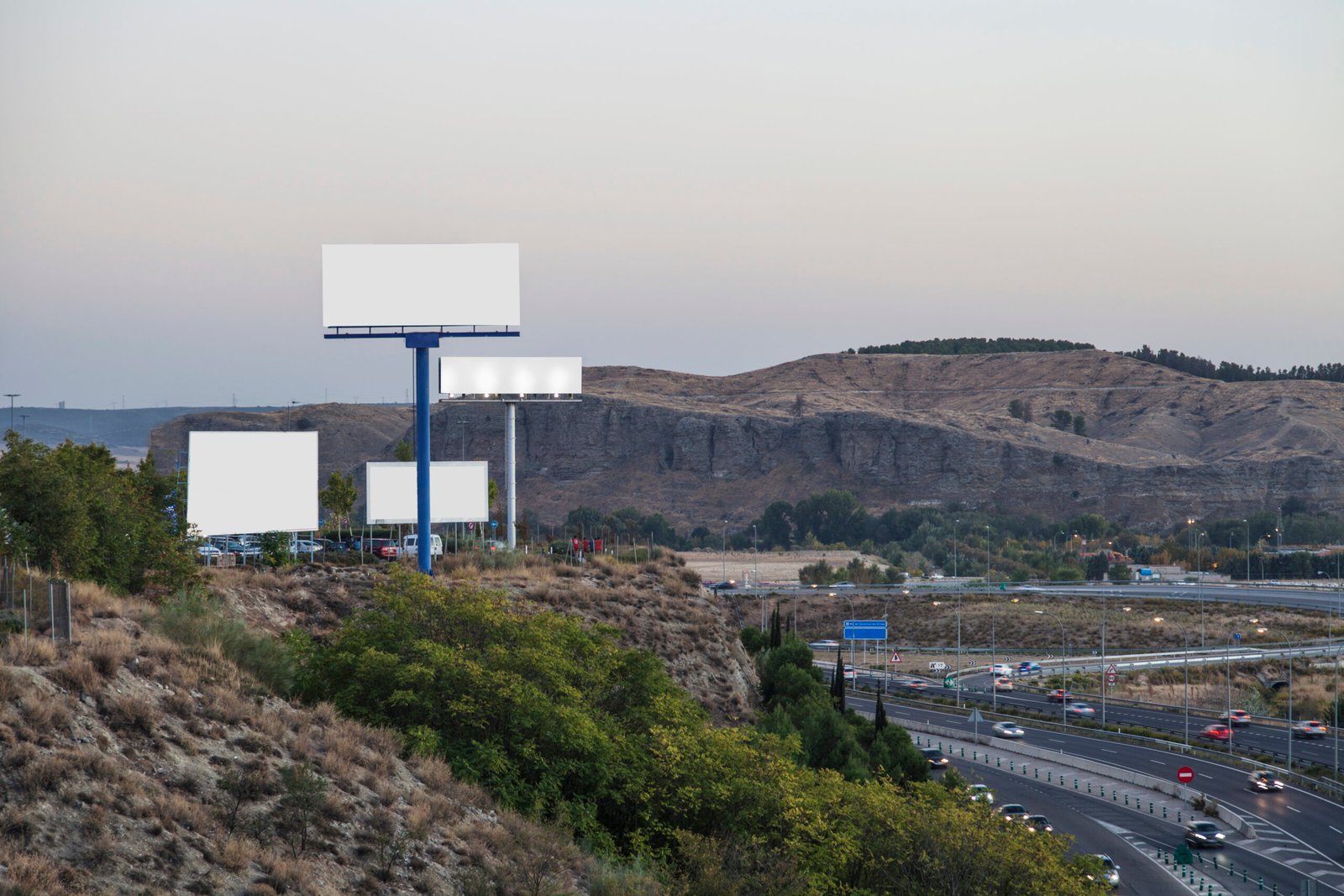
While driving down the highway, you might notice a billboard that stands out, whether because it’s funny, visually striking, or simply memorable. That brief moment usually reflects weeks or months of behind-the-scenes planning.
Creating an effective billboard involves strategy, location scouting, creative development, production, and logistics. Here’s how an idea moves from an initial concept to a finished sign displayed along the highway.
1. It Starts With a Goal
It’s tempting to start a billboard campaign by dreaming up a clever headline or bold visual. However, before anyone starts debating fonts, there’s a more important question: What should this billboard accomplish?
A brand might want to introduce a new product, build awareness, promote an upcoming event, or encourage people to visit a nearby location. That goal shapes practically every decision that follows.
This is where working with a billboard advertising agency like AdQuick can help turn a broad objective into a practical campaign plan. The team can consider factors like audience, geography, budget, timing, and available billboard formats before determining the best approach.
2. Finding the Right Stretch of Road
Location is everything in outdoor advertising, but “more traffic” doesn’t automatically mean success. Choosing a billboard site involves looking at who travels through an area, where they’re headed, how often they make the trip, and whether they’ll actually have a clear view of the advertisement.
Traffic speed and viewing angle matter, too. A message drivers can comfortably absorb on a slow urban street might be far too complicated for a fast-moving freeway. The objective is to find the intersection between visibility and relevance.
3. Designing for the Five-Second Glance
Now comes the fun part: turning the strategy into something people can understand almost instantly. Drivers can’t stop to read three paragraphs of product benefits, and nobody should need to squint at tiny text while traveling 65 mph. Effective designs generally rely on concise copy, readable typography, bold imagery, strong contrast, and one unmistakable idea.
That simplicity can make billboard design surprisingly difficult. Every word and visual element has to earn its space. Before a concept reaches the highway, teams may evaluate how it looks from a distance and whether the message remains clear at a glance.
4. From Screen to Full-Scale Production
Once the creative concept gets the green light, it’s time to transform a design that fits neatly on a computer screen into something that can command attention from hundreds of feet away. For a traditional billboard, that means preparing artwork according to the exact dimensions and technical specifications of the placement.
Large-format materials are printed, inspected for quality, and prepared for installation. Colors, images, and text all need to look right at a scale that’s dramatically different from the designer’s monitor.
Digital billboards skip the printing and physical installation, but they still require preparation. Creative files must meet the display’s specifications before being uploaded and scheduled. Depending on the campaign, multiple designs might rotate throughout the day.
5. The Logistics Behind the Launch
A great design won’t accomplish much if it isn’t ready when and where it needs to be. Behind the scenes, teams coordinate production schedules, billboard availability, installation dates, and campaign timelines. Depending on the location and project, local regulations or permitting requirements may also need to be considered.
Timing becomes especially important for campaigns promoting events, store openings, seasonal offers, or product launches. A billboard advertising a Saturday event isn’t particularly helpful if it goes up on Monday.
All those moving parts make communication essential. Advertisers, media partners, production teams, and installation crews need to stay aligned so the campaign can hit the road on schedule.
6. The Moment It Hits the Highway
Then comes the payoff: the billboard goes live. For traditional placements, that means the finished creative is physically installed. For digital campaigns, it may be as simple as the approved artwork appearing in its scheduled rotation. Either way, the concept that once existed in a meeting or presentation is suddenly part of the real-world landscape.
The work doesn’t necessarily stop there. Advertisers can assess estimated impressions alongside indicators such as website visits, branded searches, QR code scans, dedicated URL traffic, or results at nearby locations. Those insights can help shape the next campaign, from refining the message to reconsidering where it appears.
A Few Seconds Built on Weeks of Work
To a driver, a billboard is a moment: see it, understand it, and keep moving. Behind that moment, however, is a coordinated process involving strategy, location selection, creative decisions, production, and logistics.
That’s part of what makes billboard advertising unique. Weeks of work ultimately have to disappear into a message someone can understand in seconds. When everything clicks, the result looks effortless, and the idea can stick with someone long after the billboard has vanished in the rearview mirror.

