
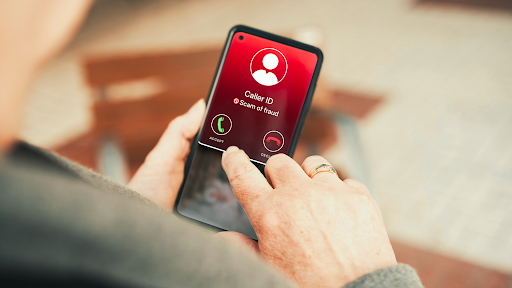
Every day, millions of people receive calls and messages from unknown numbers, and many of them are designed to trick, pressure, or steal. As scammers continue using smarter tactics like spoofed numbers, fake identities, and social engineering, knowing who is really contacting you has become more important than ever.
Phone number verification provides a practical layer of protection by helping identify suspicious activity before it turns into a costly mistake. From protecting personal accounts to helping businesses prevent fraud, verified phone identities are becoming a critical part of modern digital security.
The Modern Face of Phone Scams
Forget the clunky “congratulations, you’ve won a prize” robocalls of a decade ago. Today’s scammers are running sophisticated, multi-platform operations. We’re talking SMS phishing, smishing, AI-generated voice impersonation, and in some documented cases, deepfake audio designed to sound exactly like someone you trust.
What Makes These Tactics So Dangerous
One of the most unsettling trends is slow-burn social engineering through messaging platforms. A fraudster might spend weeks building rapport before making their move. Meanwhile, number spoofing means the call looks like it’s coming from your bank, your doctor’s office, or even your neighbor down the street. Using a phone number checker before responding to unfamiliar calls or messages can help identify suspicious numbers and reduce the chances of engaging with a scammer.
Your instincts, trained over years of normal life, are being used against you. That’s what makes this so insidious.
Why Old Defenses Just Don’t Cut It Anymore
Screening calls and deleting suspicious texts used to be enough. Not anymore. Effectively preventing phone scams today demands something more layered, a system that intercepts threats right at the point of contact, before they ever reach you.
How Phone Number Verification Actually Disrupts Scammers
Here’s where things get interesting. Verifying phone numbers online through multi-layer systems- think SMS confirmation, callback validation, app-based one-time passwords- cuts off scammers at the root. Their entire operation depends on disposable, virtual, or fake numbers. Strip those away, and their infrastructure collapses.
Blocking Fake Numbers Before They Get In
Virtual throwaway numbers are how most fraud rings operate at scale. A solid verification system flags and rejects these immediately, before a fake account gets created, before a fraudulent transaction goes through, before any damage is done. Prevention at the source is infinitely cheaper than cleanup after the fact.
Smarter AI Means Fewer Innocent People Get Flagged
One real concern businesses have is alienating legitimate users with overly aggressive security. Good news: modern AI-driven verification doesn’t work like a blunt instrument. It reads context, device history, IP patterns, behavioral signals, and makes nuanced risk decisions. Real users barely notice it. Bad actors can’t get around it.
The Business Case Is Undeniable
A 2024 study commissioned by Twilio found that businesses achieved a 174% ROI from Twilio Verify, with an NPV of $1.49M from $2.35M in total benefits over three years. That’s not a rounding error. That’s a compelling argument for any founder still sitting on the fence.
E-Commerce Gets Real Protection
Chargebacks, fake signups, fraudulent orders, verification addresses all of it. And perhaps just as importantly, customers notice when a platform takes security seriously. That visible commitment builds trust in ways that marketing alone never could.
Personal Accounts, Secured at the Foundation
Fintech apps, healthcare portals, social platforms, anything holding sensitive data benefits dramatically from tying two-factor authentication to a verified, real mobile number. When every login requires a confirmed number behind it, unauthorized access drops sharply. It’s not glamorous, but it works.
What You Can Do Right Now
You don’t need to be a cybersecurity professional to protect yourself. A few practical habits go a long way.
Learn to recognize when a verification request feels off. Report suspicious numbers through official channels. And before you engage with any unknown caller, run the number through a phone number checker; it takes seconds and can save you from something much worse.
Free tools exist. Use them.
Bottom Line
Scammers are constantly adapting, but phone number verification gives individuals and businesses a stronger way to stay ahead. By identifying suspicious numbers, securing accounts, and blocking fraudulent activity early, verification adds an important layer of protection in a connected world.
Staying safe doesn’t require complicated solutions; it starts with simple habits and smarter choices. Verify unknown numbers, protect your accounts with strong security measures, and use trusted tools to reduce the chances of falling victim to scams.
Questions People Actually Ask About Phone Scams
What can a scammer do with a verification code?
Quite a lot, unfortunately. They can hijack your account, reset your password, and impersonate you across platforms. The rule is simple: never share a code with anyone. A real service will never ask.
Can a scammer cause damage with just your phone number?
Yes , SIM swapping, phishing texts, spoofed calls, and attacks on linked accounts are all on the table. Pairing strong privacy settings with a dependable phone number checker is one of the smartest moves you can make.
Does verification actually protect older users?
Enormously so, especially when paired with clear education. Older adults are disproportionately targeted by voice scams, and verified caller identification filters out fraudulent numbers before that first contact is ever made.

