
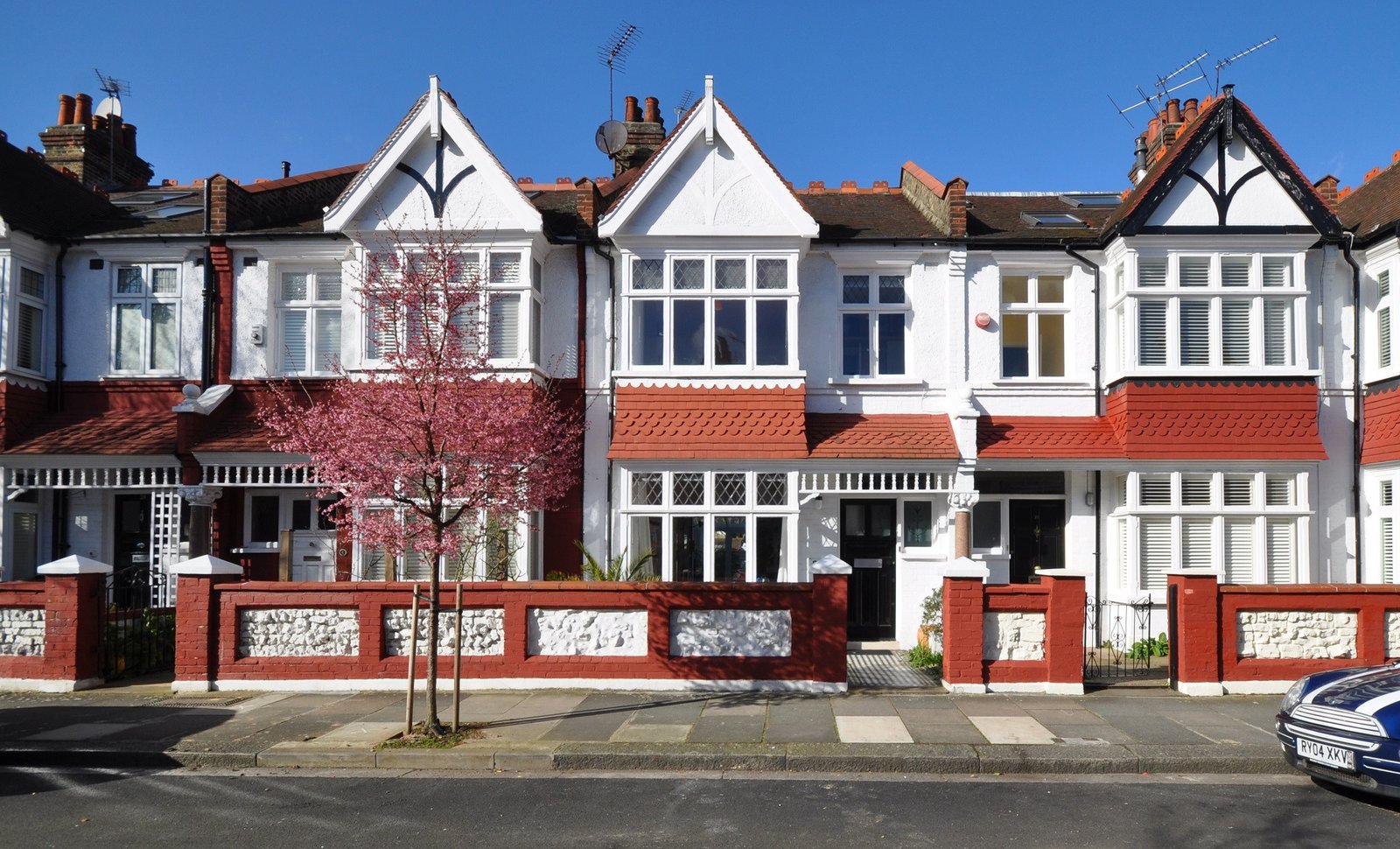
Period homes have maintained enduring appeal within the property market for generations. These properties, typically built before the mid-20th century, are admired for their distinctive architecture, craftsmanship, and historical significance. Unlike many modern developments, period properties often possess individuality and character that cannot easily be replicated.
The continued popularity of these homes is evident across many established residential areas. Property professionals, including experienced local agents such as Hunters reading estate agents, frequently observe strong buyer interest in homes that offer authenticity, architectural detail, and a sense of permanence. For many purchasers, period homes provide far more than accommodation. They offer identity, atmosphere, and connection to history.
Architectural Character and Craftsmanship
One of the defining features of period homes is their architectural craftsmanship. Traditional construction methods often involved intricate detailing and high-quality materials that remain visually striking decades later.
Decorative cornicing, solid timber flooring, sash windows, and ornate fireplaces contribute to a level of artistry rarely found in contemporary developments. These elements create depth and personality within the property, giving period homes a distinctive visual presence that appeals strongly to buyers seeking uniqueness.
The craftsmanship also reflects a slower, more meticulous era of construction. This attention to detail continues to resonate with homeowners who value authenticity and enduring design quality.
Historical Charm and Emotional Appeal
Period properties often evoke a strong emotional response. Their age and historical context create a sense of continuity and heritage that many buyers find deeply appealing.
Living within a property that has endured through generations can feel profoundly different from occupying a newly built home. Original architectural features, weathered materials, and historical narratives contribute to an atmosphere that feels established and meaningful.
For some buyers, owning a period property represents more than a financial investment. It becomes an opportunity to preserve and participate in architectural history.
Spacious Layouts and High Ceilings
Many period homes were designed during eras when generous proportions were highly valued. High ceilings, expansive hallways, and larger room dimensions contribute to a sense of openness that is increasingly sought after.
These proportions create visual elegance and allow greater flexibility in interior design. Natural light often travels more effectively through larger spaces, enhancing the overall ambience of the property.
In comparison to some modern homes, where efficiency and density may limit room sizes, period properties frequently provide a more substantial and comfortable living environment.
Desirable Locations and Established Neighbourhoods
Period homes are often situated within mature, well-established neighbourhoods that possess strong community identity and developed infrastructure. Tree-lined streets, historic town centres, and proximity to traditional amenities contribute significantly to their desirability.
These areas frequently benefit from excellent transport connections, reputable schools, and accessible local services. Buyers are therefore attracted not only to the properties themselves but also to the character and stability of the surrounding environment.
Established neighbourhoods also tend to retain long term desirability more effectively than newly emerging areas, supporting sustained buyer demand.
Unique Features Modern Homes Often Lack
One of the strongest appeals of period homes lies in their unique features. Original fireplaces, stained glass, exposed beams, bay windows, and handcrafted joinery create visual distinction and individuality.
Such features are often impossible or prohibitively expensive to replicate authentically in modern construction. Buyers seeking homes with personality are therefore naturally drawn towards period properties.
These architectural details contribute to the perception of warmth and charm, qualities that many buyers feel are absent from more standardised modern developments.
Investment Potential and Long Term Value
Period homes often demonstrate strong long term market resilience due to their relative scarcity and enduring appeal. Unlike modern developments, which may be replicated extensively, period properties are finite in supply.
This scarcity supports sustained buyer demand and can contribute positively to long term value retention. Character homes frequently attract competitive interest, particularly when they are well-maintained and located within desirable conservation areas.
For investors and homeowners alike, period properties can therefore represent both emotional and financial value.
Renovation and Modernisation Opportunities
Many buyers are attracted to the opportunity to modernise period homes while preserving their original character. Sensitive renovations allow homeowners to combine historical charm with contemporary functionality.
Open-plan kitchen extensions, energy-efficient upgrades, and carefully integrated modern interiors can enhance practicality without compromising architectural identity. When executed thoughtfully, these improvements often increase both enjoyment and market value.
Restoration projects also provide homeowners with creative involvement in shaping the property’s future while respecting its historical origins.
Challenges of Owning a Period Property
Despite their appeal, period homes are not without challenges. Older buildings often require more maintenance than newer constructions due to ageing materials and traditional building methods.
Issues such as damp, outdated wiring, roof deterioration, or inefficient insulation may require ongoing attention. Maintenance costs can therefore be higher, particularly where specialist restoration techniques are needed.
Energy efficiency may also present challenges. Many older homes were built before modern insulation standards existed, making upgrades necessary to improve comfort and reduce operational costs.
Buyer Demographics and Lifestyle Trends
Period homes appeal to a wide range of buyers, including families, professionals, and downsizers seeking distinctive living environments. Increasingly, buyers are prioritising individuality and lifestyle quality over purely functional housing solutions.
The rise of remote working has further enhanced appreciation for spacious interiors and character-rich environments. Buyers spending more time at home often seek properties that provide atmosphere and emotional satisfaction alongside practicality.
This broader lifestyle shift has reinforced demand for homes that feel personal, authentic, and architecturally distinctive.
Planning Restrictions and Conservation Areas
Many period properties are located within conservation areas or hold listed status, which introduces specific planning and renovation regulations. These restrictions are designed to preserve architectural integrity and historical character.
While such protections can limit certain alterations, they also help maintain the visual cohesion and heritage value of the surrounding area. Buyers often appreciate the reassurance that neighbouring properties are similarly protected from inappropriate development.
Understanding these regulations is essential before undertaking major modifications, particularly for owners considering extensive renovations.
The Future Appeal of Period Homes
The popularity of period homes shows little sign of diminishing. In an era increasingly dominated by uniformity and rapid development, buyers continue to seek properties that offer distinction and enduring character.
Architectural authenticity, historical significance, and craftsmanship remain qualities that are difficult to reproduce convincingly. As a result, period properties continue to occupy a unique position within the housing market.
Their ability to combine emotional resonance with long term market desirability ensures that they remain highly valued across changing buyer trends and economic conditions.
Period homes continue to captivate buyers through their architectural elegance, historical charm, and enduring individuality. While ownership may involve greater maintenance responsibilities, the rewards often extend beyond financial considerations. From generous proportions and original craftsmanship to established neighbourhoods and timeless appeal, these properties offer a living experience that many modern homes struggle to replicate. As buyer preferences increasingly prioritise authenticity and character, period homes are likely to remain among the most desirable properties within the residential market.

